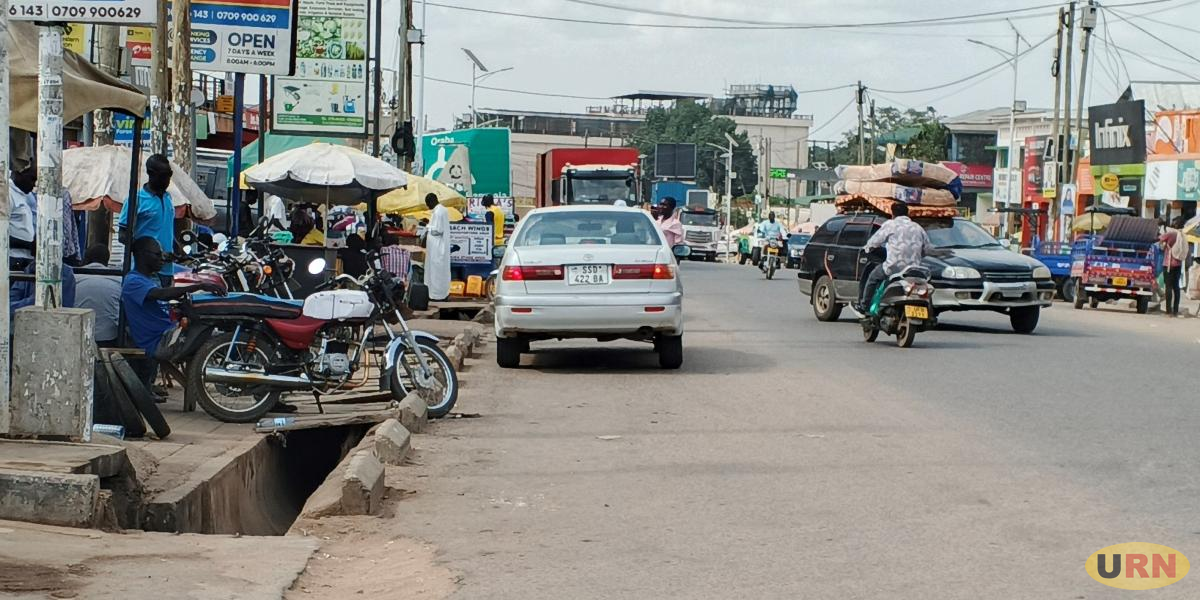
Health and security officials in Arua City have raised concerns over the increasing number of urban refugees moving on the streets of the city and surrounding trading centres amid fears of possible challenges in managing the Ebola Virus Disease threat. Arua City authorities and recent population statistics indicate that the city hosts more than 23,000 refugees from South Sudan, the Democratic Republic of Congo, Sudan, Somalia, Ethiopia, Eritrea and Rwanda.
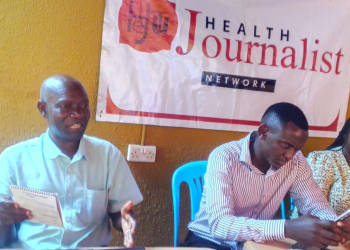
Many of the urban refugees are school-going children, business operators, or individuals seeking economic opportunities outside refugee settlements. During the release of the Ebola situational report for Arua City on Monday, officials said some urban refugees continue to move around Arua City and Koboko town with limited awareness of the risks associated with the Ebola outbreak.
Lino Andrua, the Internal Security Officer for Arua City (CISO), said security personnel have intercepted several refugees moving around urban areas without clear reasons. He warned that continued disregard for health and security guidance could force authorities to treat cases of uncontrolled movement as a security concern.

The Resident City Commissioner (RCC), Arua, Betty Otekat Akello, directed security officials to ensure that refugees found roaming in the streets of Arua City and nearby trading centres are advised to return to their designated areas.
However, Tito Bolingo, the representative of the Jieng Community of South Sudan living in Arua City, said authorities need to engage refugee communities directly to address the challenge. Bolingo said many refugees move into urban areas because of economic hardships and called on security agencies to work with refugee leaders when issuing directives.
Francis Simon Ayume, the Executive Director of Refugee Empowerment and Development Network (RED-NET), said many refugees found in the city are either pursuing education or searching for employment opportunities because some have skills they cannot easily use while in settlements.
“As you are aware, life has become increasingly difficult with the cut in aid in the camps; some of the refugees have no choice but to try their luck in the towns. That’s why you see them every day in the town here,” Ayume said. According to Arua City statistics officials, some social amenities are increasingly being used by urban refugees, with many attributing their movement from settlements to limited access to similar services in the camps. Authorities say they are continuing to encourage refugees and other residents to observe public health guidelines as the country remains alert over Ebola transmission risks-URN. Give us feedback on this story through our email: kamwokyatimes@gmail.com