By KT Reporter
Soroti University authorities have expressed disappointment over the delayed establishment of the country’s first Centre for Nuclear Science and Technology (CNST) at Soroti University. The CNST project, implemented by the Ministry of Energy and Mineral Development in collaboration with Soroti University, began in 2023. It is a flagship initiative aimed at advancing Uganda’s capacity in nuclear science and technology, driving progress in research, education, and innovation.
The centre will include several facilities, such as a multipurpose research reactor that produces radioisotopes necessary for treating cancer at Mulago Hospital. It will also produce materials used in various industries, road construction, and the agricultural sector. Additionally, the centre will feature a nuclear fabrication facility and a waste management component.

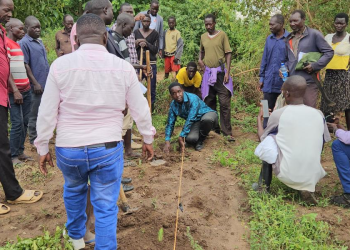
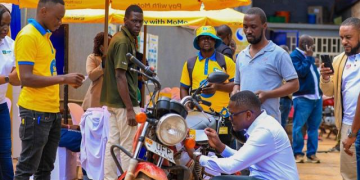
The University Vice Chancellor, Prof. John Robert Ikoja Odongo, stated that the feasibility study was expected to commence on the 45 acres of allocated land on March 16th, but nothing has progressed. This discussion took place during the stakeholders’ CNST Engagement Meeting and presentation of the Environmental Impact Assessment (EIA) report findings by Global Amet Allies (GAA) Consultants, as well as the official kickoff of INVAP subcontractors at Soroti University on Tuesday, July 8th, 2025.
Prof. Ikoja expressed concern over the lengthy delays in the project’s initiation, mentioning that he even allocated an office for the staff implementing it and surveyed the 45 acres of land, yet no visible progress has been made. The Vice Chancellor remarked that it is time for people to take projects seriously, noting that many government projects either start and stall or are abandoned midway.
James Small Chemutai, the acting Soroti Resident City Commissioner, stated that it is important for the project implementers to provide clear updates on the current status of the project, which is long overdue. He noted that it had been more than four months since discussions about this engagement began. Chemutai urged the implementers to keep the university team informed about the project’s progress so they can work together effectively, aiming for results that will benefit the entire country and ensure the facility serves its intended purpose.
The project contract manager, Derrick Cheriberi, assured that they are on track with the project timeline, noting that bidding will occur from 2026 to 2027, with implementation and construction expected from 2027 to 2029. The official commissioning and operational phase will begin in 2030 and beyond.
Cheriberi explained that the first phase of the project, currently in progress, involves desktop work rather than fieldwork, which is restricted at this stage. Phase two will involve more work directly on-site at the university.
Sabbiti Baguma, the Acting Commissioner for Nuclear Science and Application, mentioned that groundbreaking will take place following site evaluation studies, which will be conducted soon-URN. Give us feedback on this story through our email: kamwokyatimes@gmail.com