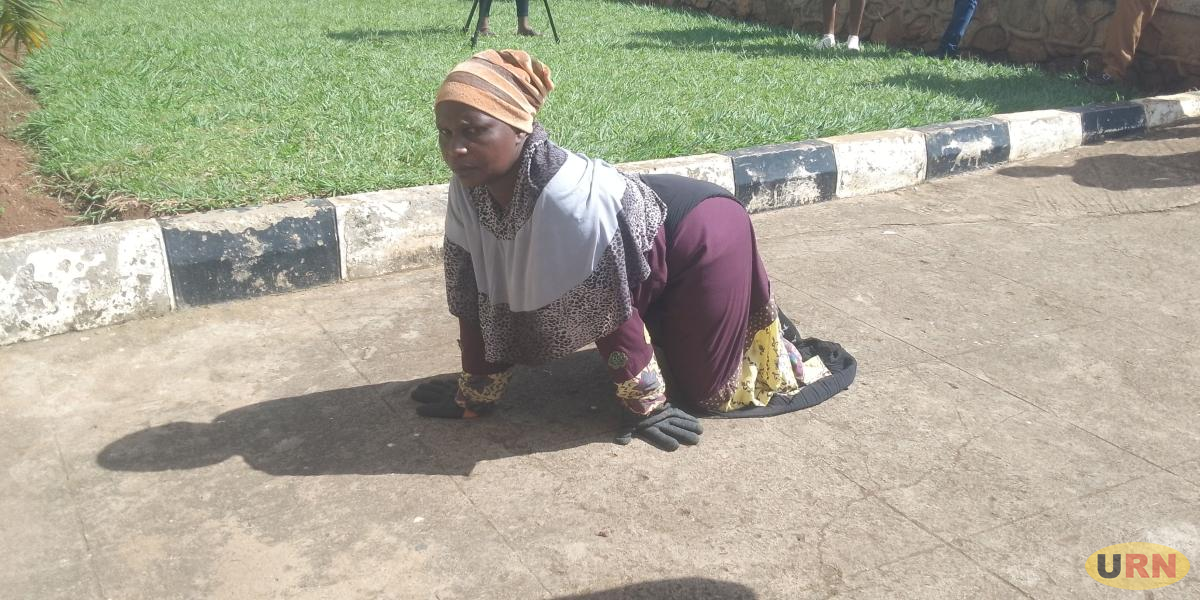
The East African Crude Pipeline (EACOP), an infrastructure project in Uganda’s oil development sector, faces yet another form of resistance as a section of Persons with Disabilities petitions President Yoweri Museveni, decrying violation of their social rights by the project implementers.
The petitioners, who are residents of Kyotera district, argue that in addition to the inadequate monetary compensation for their destroyed properties, the project implementers did not pay attention to other social rights and the welfare of persons with disabilities living along the pipeline route.
Ismail Jjuuko Bwowe, Chairperson for the Disability Council for Nabigasa sub county in Kyotera district, confirms that they have sought the intervention of the President over the unnecessary violations of their rights by the project implementers.

In a petition signed by thirteen people who are living with different forms of disabilities, Bwowe indicates that the pipeline route runs through various community access roads in the area, which disrupted their free movement. He observes that the process of excavation and laying of the pipes led to the change of landscapes in various places, to the inconvenience of persons with disabilities, especially the blind and those who use wheelchairs for mobility.
Bwowe argues that they repeatedly raised the concern to the project implementers, who have however, remained reluctant to address the resultant challenges from their activities. They have now appealed to President Museveni to intervene in the conflict and order for resettlement or adequate compensation of all persons with disabilities living within and along the pipeline route, to enable them to regain their full lives.
Bwowe says that through the Minister for Presidency, they have petitioned the President to bring to his attention the outcries of people living with disabilities in the areas traversed by the pipeline project. Bwowe says the project implementation framework essentially considered compensating persons whose properties were destroyed to pave way for the route, omitting the needs of persons with disabilities who may also emerge as secondary affected parties.
Faridah Namugerwa, one of the Persons living with disabilities who was affected by the pipeline in Nabigasa ward, Kyotera district, bemoans that the project has resulted in many unforeseen challenges that are of grave impact to their social wellbeing. She says that due to the resultant accessibility challenges, she now finds it hard to reach parts of her garden and the community water source using a wheelchair, complicating her survival.
Namugerwa has appealed to President Museveni to halt the project activities to allow for a thorough assessment of their concerns, arguing that despite the effects, they could not afford to argue the matters before courts of law.
However, in an emailed response about the concerns of the aggrieved persons, the East African Crude Oil Pipeline (EACOP) Company advises anybody with pending complaints to channel them through the community grievance-handling committees, from where they will be forwarded for further management-URN. Give us feedback on this story through our email: kamwokyatimes@gmail.com