By KT Reporter
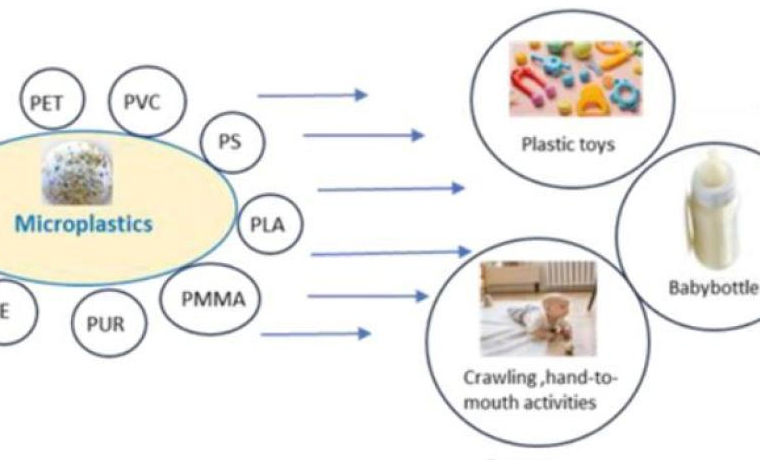
From the moment they are born, Uganda’s babies are exposed to invisible plastics. Bottles, cups, and even breast milk can carry microplastics and harmful chemicals, silently entering their tiny bodies. Every sip, every touch, every meal carries potential risk, yet families have few safe alternatives.“I watch my baby put everything in his mouth, and I feel helpless,” says Jennifer Gladys Abalo, a mother in Pader Town Council.
“I clean bottles and cups with hot water, but I still worry about how many microplastics or chemicals my baby may be swallowing. There’s no safe alternative. Glass bottles are too expensive, melamine breaks easily, and plastic is all we have.” Abalo uses both breastfeeding and artificial milk, relying on plastic cups, bottles, flasks, and plates.

Despite daily cleaning with hot water, she fears exposure: “Plastics are not good for my baby, but there’s no alternative. Even boiling may release dangerous particles.” Jacky Ayaa, a mother from Lwala C village, says limited income forces families to continue using worn plastic utensils. “I did not know plastics could be harmful, but poverty forces us to keep using old, scratched bottles.”
Concy Lakot Faith, a mother of two from Ogwaleng Valley, Pader Town Council, explains that plastic dominates daily life. “From water to juice to milk, even storing food is in plastic containers. We have tried alternatives, but they break easily for the kids, or cost too much. Every meal, I watch my children use the same scratched utensils, knowing chemicals are slowly released. Yet we cannot go without them. Plastic is a small necessity for survival, even if we know it is harmful.”
For families like theirs, plastic is not convenience—it is survival. But behind each routine meal lies a hidden threat: daily ingestion of microplastics and chemicals that could quietly shape the health of Uganda’s next generation. Their experiences reveal a broader health concern, one that scientists warn is largely invisible but increasingly significant.
Grace Nakisitu Shivan, a research assistant at Kyambogo University, says washing plastic bottles with hot water or using them to prepare formula releases millions of microplastic particles that infants ingest repeatedly. Even low-level exposure over time can lead to developmental problems and greater susceptibility to illnesses. Microplastics can also carry chemical residues and pathogens, increasing health risks.
“Studies published in the Journal of Clinical Medicine have detected microplastics in breast milk, meaning even mothers who exclusively breastfeed are not fully protected if their environment is contaminated with plastics.” Microplastics enter the body through food, air, and water and accumulate in tissues, including breast milk. While breastfeeding remains the healthiest option for infants, environmental exposure is a reality that cannot be ignored.
“For feeding, glass bottles do not release microplastics or chemical additives, and stainless steel cups, bottles, and plates are durable, non-reactive, and suitable for both hot and cold foods. Heat-resistant glass containers or ceramic bowls are preferable for storing and reheating food, as heating plastic increases chemical leaching.”Grace Alwango, a chemist and research assistant at Ndundu Investments, warns that microplastics pose serious health risks to infants and young children.
“Microplastics in water can alter pH, reduce dissolved oxygen, and carry harmful chemicals such as bisphenols, which impair digestion and weaken the immune system. Prolonged exposure may increase long-term health risks, including cancer.” Alwango stresses that communities can reduce these dangers through practical steps: safe disposal of plastics, water filtration, biochar treatment, and detection techniques.
“Plastics may be affordable and widespread, but their invisible contamination presents serious health hazards, particularly for vulnerable populations such as infants. Repeated exposure can affect nutrient absorption, immunity, and long-term development.” While awareness of plastic risks is growing, economic realities shape daily choices for many families. In Pader, financial limitations prevent many families from switching to safer feeding alternatives. Concy Lakot explains that while health workers advise replacing old plastic utensils, the cost of melamine, glass, or stainless steel makes it challenging.
“Health workers tell us to change, but where do we get the money? Glass bottles are three to four times more expensive than plastic ones. Stainless steel is even costlier,” she said. “When we buy bottles or cups, we also consider durability. Plastic may not be safe, but it lasts. If we spend money on glass and it breaks, we cannot afford a replacement.”Lakot adds, “Many families here are not lazy; they simply do not have options. Awareness campaigns are good, but without practical solutions, the risk remains high.
Communities like ours need affordable and durable alternatives to plastics, combined with education on safe use.”Hannah Apiyo, assistant district health officer for maternal and child health in Pader District, says behavior change around plastic use remains difficult.“People do not see immediate effects from using plastics, so they may continue unsafe practices. Our programs emphasize using safe containers, avoiding excessive heat, and frequent replacement of feeding utensils.
But poverty, accessibility, and cultural habits play a huge role. Without government subsidies, local production of safer utensils, or affordable alternatives, many households will continue to face exposure risks.”
These household-level risks mirror a wider environmental crisis unfolding across Uganda. Plastic pollution is one of the most pressing environmental challenges in Uganda today. Globally, plastic production has skyrocketed over the past decades, and Uganda is no exception. Approximately 600 tonnes of plastics are produced daily in the country, much of which ends up mismanaged.
A 2020 NEMA report shows that only 10–15% of plastic waste is properly collected and recycled. Improper disposal contaminates water bodies, clogs drainage systems, and contributes to flooding, while open burning releases harmful fumes that affect both human health and ecosystems.
Microplastics and chemical additives such as bisphenols, phthalates, and PFAS are persistent in the environment, infiltrating soil, water, and food chains. Studies indicate that up to 90% of fish in major Ugandan lakes contain microplastic particles. Alwango emphasizes that microplastics in drinking water can interfere with digestion and weaken immunity, especially in young children, underlining the critical link between environmental contamination and public health.
Uganda has a comprehensive policy and legal framework to address these challenges. The 1995 Constitution guarantees every citizen the right to a clean and healthy environment, while the National Environment Act (2019) empowers the National Environment Management Authority (NEMA) to regulate and manage plastic waste. Other regulations include the National Environment (Waste Management) Regulations, 2020, and the UNBS Act, which provide standards for plastic production, disposal, and recycling. NEMA’s National Plastic Waste Management Strategy promotes reuse, recycling, and substitution of single-use plastics, aiming to reduce environmental impacts by 37% by 2040.
Barirega Akankwasah, NEMA Executive Director, stresses that policy implementation is key. Public awareness, enforcement of bans, incentives for recycling, and investment in infrastructure are crucial to prevent further degradation. Plastics may be indispensable due to affordability and convenience, but their environmental footprint is significant. He urges collective action from government, civil society, industry, and communities to mitigate the hidden environmental and health risks of everyday plastics.
Research shows that repeated exposure to microplastics can disrupt nutrient absorption, growth, and immunity, confirming these health risks. Exposure does not stop at home. For many newborns, it begins in medical settings. Medical plastics in hospitals—including feeding tubes, syringes, and storage containers—expose infants to microplastics. Isabelle Munyangaju, an infectiologist and global health researcher in Mozambique, says hospitals rely heavily on disposable plastics because they are cheap, convenient, and help prevent infections.
“Neonates are particularly vulnerable because their organs and immune systems are underdeveloped. Repeated exposure can affect metabolic processes, endocrine function, and immunity. Plastic surfaces can also form biofilms that harbor bacteria, increasing infection risk.” “Even small reductions in plastic use in neonatal units can have a significant impact. By monitoring reusable devices, replacing worn-out equipment, and using safer materials, hospitals can reduce microplastic exposure.
”Nakisitu emphasizes that infant feeding practices are a major route of microplastic exposure. “Repeated use of plastic bottles, cups, and containers releases microplastics and chemical additives, especially when sterilized with hot water or used for formula. This increases chemical leaching, affecting nutrient absorption, gut health, and long-term growth.”A 2025 study by Rinchuse et al. shows that microplastics and nano plastics are widespread environmental pollutants, present in air, water, food, and even human tissues.
These particles originate from the breakdown of larger plastics or are directly manufactured, and emerging evidence links them to potential health risks, including inflammation, endocrine disruption, and toxicity, particularly from nano plastics capable of penetrating biological barriers. The healthcare sector, notably dentistry and orthodontics, contributes significantly to plastic pollution through single-use items and clear aligners. Experts agree that combining awareness campaigns, safer alternatives, and community action is critical to safeguarding newborns from these hidden hazards.
The International Baby Food Action Network (IBFAN) emphasizes that infants, young children, and women are among the most vulnerable to the harmful effects of plastics. Toxic chemicals in plastics affect physical, reproductive, and endocrine health. Tiny microplastics can carry environmental toxins and pathogens, creating additional risks for infants and young children.
Bindi Borg, a public health nutrition expert at IBFAN, says plastic pollution poses direct risks to infants and women.“Plastic pollution is not just an environmental issue; it is a human health issue. Babies and young children are exposed to microplastics daily, often through products adults consider safe. These particles can interfere with hormonal function, growth, and development.”
“In many cases, exposure begins even before birth through contaminated water, food, and breast milk. Infants and women cannot advocate for themselves, so governments, industries, and civil society must ensure their protection.”A United Nations Environment Programme (UNEP) report warns that plastics contain over 13,000 chemicals, including more than 3,200 hazardous substances such as phthalates, bisphenols, PFAS, and flame retardants.
These chemicals can migrate from plastic products into the environment and human bodies, affecting health even before birth. Women and children are particularly vulnerable, with exposure during pregnancy and infancy linked to impaired fetal development and neurodevelopmental disorders, while men may face fertility risks. In Uganda, plastics are widely used in packaging, toys, medical devices, and food containers, often with limited waste management.
Chemicals can be released throughout the plastic life cycle, contaminating air, water, and soil. UNEP emphasizes urgent action to tackle these hazards, reduce microplastic exposure, and safeguard newborns and young children. Inger Andersen, Executive Director of UNEP, warned during remarks at the Intergovernmental Negotiating Committee on Plastic Pollution in Geneva that microplastics are now circulating in human bloodstreams. “They clearly do not belong in our bodies. Tackling plastic pollution requires a full life-cycle approach, reducing single-use plastics, addressing chemical additives, and designing safer alternatives.
”Earthdog organization reports that since the 1950s, approximately 8.3 billion metric tons of plastic have been produced. To tackle the environmental impact, there is a call for a drastic reduction in global plastic production, aiming for a 60% decrease by 2040. A key focus is on single-use plastics, which currently make up nearly 50% of all plastic produced.
Experts emphasize prevention over cure. Families are encouraged to switch to melamine or glass utensils, limit single-use plastics, and adopt proper sterilization techniques. NEMA, health officers, and community campaigns stress public sensitization, safe disposal, and recycling as key interventions. Alwango calls for comprehensive public sensitization campaigns on the risks of microplastics, alongside practical guidance on safe feeding practices for infants. “Awareness alone is not enough.
Communities need affordable and durable alternatives, access to clean water, and monitoring tools to track exposure levels. Small changes, like using reusable bottles safely or avoiding heating plastics, can significantly reduce health risks. ”At the policy level, NEMA is pushing for integration of plastic waste management into local government planning, expansion of recycling initiatives, and stronger support for alternatives to single-use plastics.
“We need a circular approach where plastics are minimized, reused, and safely managed to protect both the environment and human health.” Internationally, IBFAN urges governments to adopt stricter regulations on plastic use in baby products. “Reducing plastic exposure is not only an environmental issue but a public health priority. Collaboration between communities, governments, and international bodies ensures that children and mothers are protected from avoidable risks.”
Protecting Uganda’s youngest citizens from microplastics requires both awareness and action. By choosing safer feeding materials, strengthening community education, and advancing sustainable solutions, the country can safeguard the health of its next generation and give children a cleaner, safer start in life.I
-URN. Give us feedback on this story through our email: kamwokyatimes@gmail.com