Police in the Mt Moroto region have warned elders and local leaders in Karamoja against settling capital offences at community level, insisting that serious crimes must be reported to law enforcement and handled through the formal justice system.
The warning was issued during police barazas held in Moroto, Amudat, and Nakapiripirit districts, meetings supported by the International Justice Mission, which works with communities and law enforcement to strengthen access to justice and address gender-based violence, particularly against women and girls.
Authorities said cases such as rape, defilement, murder, and early marriages are increasingly being resolved secretly within communities without being reported to police, often through traditional compensation systems involving livestock.

Under customary practice, elders may settle murder cases through compensation, reportedly requiring up to 60 cows for the death of a man and 120 cows for a woman, a system police say undermines criminal prosecution.
Mt Moroto Regional Police Commander Edirisa Kyeyune said while local leaders can handle minor disputes, they have no authority over capital offences, which must be investigated and prosecuted by police and courts.
Kyeyune emphasized that offences such as defilement, rape, and murder should always be handled by police, adding that in appropriate cases, matters may be referred back to local councils where applicable.
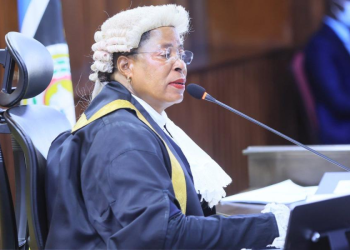
Grade One Magistrate of Amudat Magistrate Court, Simon Opolot, also condemned the handling of defilement and rape cases at community level, saying such offences are beyond the jurisdiction of both local leaders and lower courts.
He noted that defilement cases are capital offences that must be committed to the High Court for trial, warning that those involved in informal settlements risk arrest.Opolot further cautioned against early marriages and child neglect, criticizing practices that keep children out of school in favor of cattle herding.
However, some community members defended the traditional justice system, saying it is faster, more familiar, and better suited to local realities.
An area land committee member in Tapac Sub County, Gabriel Angella, said formal legal processes often exclude local voices, particularly in land disputes, and called for stronger recognition of community-based resolution mechanisms.
Elia Lomiat, a member of the Tapac Sub County Security Committee, said some cases are better handled locally, arguing that suspects are sometimes released by police before justice is fully served.
Elder David Awas of Tapac trading centre said repeated reopening of settled cases at police level has weakened the authority of traditional leaders.
“Those with problems should go up to the police to report the case because we, the elders and village leaders, have been rendered powerless,” he said.
To improve reporting, the Office of the Resident District Commissioner in Amudat has introduced a 100,000-shilling reward for information leading to the reporting of rape, defilement, and early marriage cases.
Deputy RDC Gabriel Etesot said concealing such offences undermines justice efforts and vowed to encourage community reporting.
He stressed that all children should be in school and warned against early marriages affecting girls. In Karamoja, many disputes are traditionally settled through elders at community shrines known as Akiriket, where mediation and compensation are prioritized over imprisonment.
However, police and judicial officials maintain that while traditional systems remain important, capital offences must be handled strictly under the formal justice system-URN. Give us feedback on this story through our email: kamwokyatimes@gmail.com