Stakeholders in Northern Uganda are calling for greater investment in agro-cultural tourism as a way of expanding domestic tourism, creating income opportunities and stimulating economic activity in the region.
David Pulkol, Principal Adviser to the Operation Wealth Creation Chief Coordinator, Gen. (Rtd) Salim Saleh, said Uganda’s tourism industry should look beyond its traditional focus on international visitors and wildlife attractions.
Pulkol said Ugandans themselves represent a largely untapped market for tourism products built around agriculture, culture and local heritage.

He said domestic tourists who have already visited the country’s national parks are increasingly looking for different experiences, including opportunities to learn about farming and local cultures.
“People have seen elephants, they have seen lions, they have seen big animals in the game park. They want now to see something else. And our children must come and learn,” Pulkol said.
He was speaking on Friday at TEGOT Farmstead in Unyama Sub-county, Gulu District, during the inaugural launch of the Northern Uganda Farm Festival.
Pulkol said farm visits, agricultural exhibitions and cultural experiences could encourage Ugandans to travel within the country while ensuring that money spent by visitors remains in local communities.
He said tourism should not only be measured by the number of foreigners entering Uganda.
“For us, we think tourism is when foreigners come to our country. But when we come here, we also leave money behind. So, we actually boost local tourism, and we need to increase local tourism,” he said.
Pulkol also linked agro-cultural tourism to efforts to strengthen relations between communities in Northern Uganda and Karamoja, regions that have historically experienced tensions linked to cattle raiding.
He cited the Karamoja Cultural Festival held from September 6 to 12 in Nakapiripirit District as an example of the potential of locally driven cultural events.
Organisers estimate that more than 40,000 people, most of them Ugandans, attended the festival.
Pulkol said cultural events can therefore serve both as platforms for preserving heritage and as economic activities.
“Culture is an economic asset. Stop looking at culture as identity only, just to identify Acholi or a Karimojong. When we meet like this, people make money, and through this cultural way they sell because there are many things that we market,” he said.
Sylvia Damali Owori, OWC Director for Creatives and Member-Based Organisations, said the farm festival reflects efforts to connect agriculture with Uganda’s growing creative economy.
Owori said agriculture and creativity should not be treated as separate sectors, arguing that creative skills can increase the value of agricultural products through packaging, branding, storytelling and cultural identity.
“Creativity gives value, packaging, storytelling, and cultural identity to our farm produce, our food, and our local industries. When we merge the enterprise of the farm with the passion of our creative sector, we plant the true seeds of sustainable wealth,” she said.
She said the festival would also give young people, artisans, cultural practitioners and agri-entrepreneurs an opportunity to display their products and connect with potential markets and investors.
Owori, who has previously been involved in OWC programmes supporting agricultural value chains in Northern Uganda, including coffee production, pledged the organisation’s support for the festival.
The two-day Northern Uganda Farm Festival is scheduled for December 11 and 12, 2026, at TEGOT Farmstead.
The festival was conceived by Beatrice Mao, an agri-entrepreneur and wife of Justice and Constitutional Affairs Minister Norbert Mao.
Mao said about 50 exhibitors had already booked space for the December event, which will feature agriculture, food, culture, music and other locally produced products.
She said the festival is intended to showcase the agricultural potential of Northern Uganda while encouraging residents, particularly young people, to see farming as a viable commercial enterprise.
“Northern Uganda has got the best soil. We have the fertile land, and we have to believe in ourselves. So, 11th to 12th, it’s all about connection; we need to connect, we need to be together. We need to be unified, and we need to think bigger,” she said.
Mao also challenged young people and men to reconsider perceptions that farming is a low-status occupation.
She said agriculture can provide meaningful economic opportunities when approached as a business.
“The youth, they need to believe in themselves. There is nothing wrong with waking up in the morning and putting on an overall and going to the farm. People shouldn’t really feel ashamed,” she said.
Held under the theme “Kodi Pa Lyec—Seeds of Greatness,” the festival is among the first farm-based festivals in Northern Uganda.
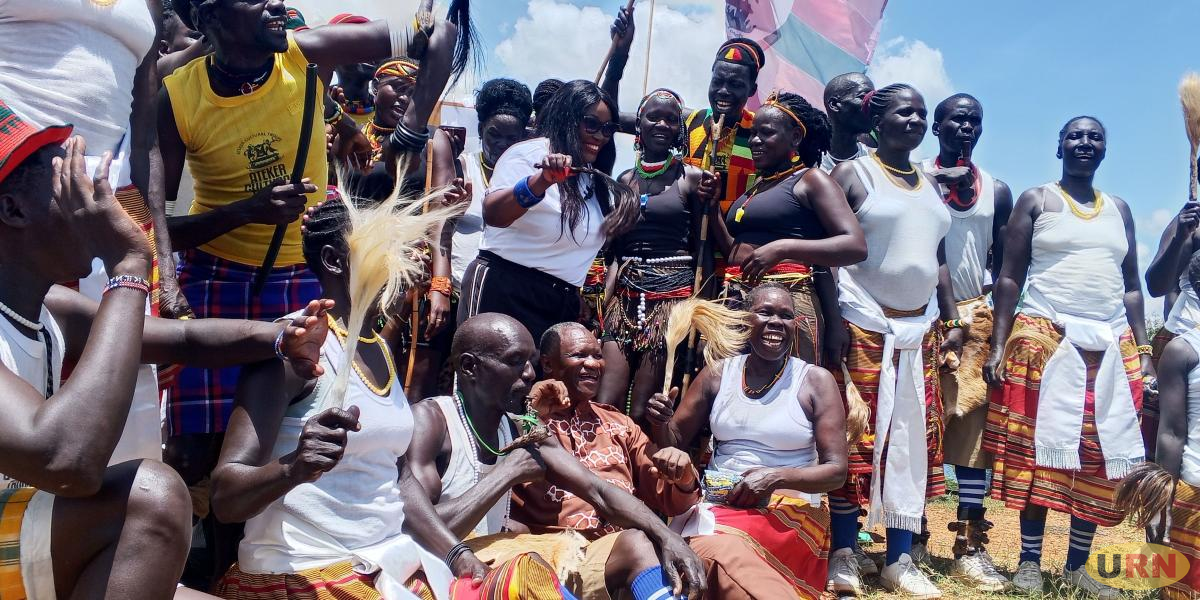
The launch brought together political leaders and cultural groups from Acholi and Karamoja.
Organisers intend to make the festival an annual event that combines commercial agriculture, cultural tourism and market development, with the aim of creating new opportunities for farmers and other businesses in Northern Uganda-URN. Give us feedback on this story through our email: kamwokyatimes@gmail.com