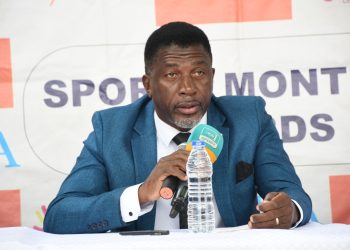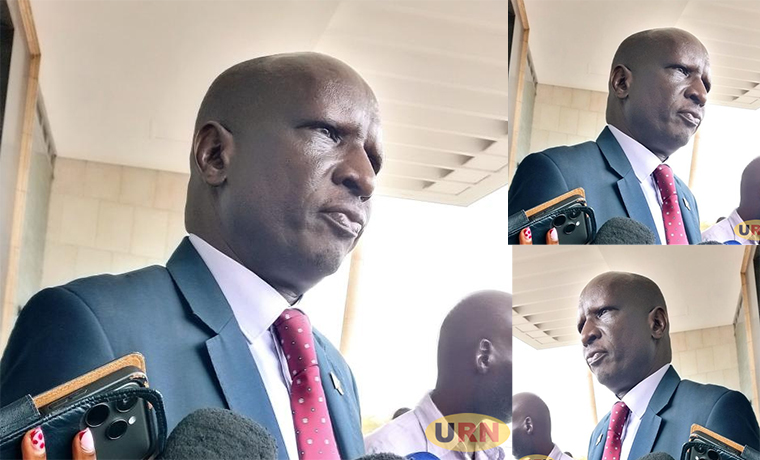
The newly appointed Minister for Karamoja Affairs, Lokii John Baptist, has pledged to ensure that the growing wave of investments flowing into Karamoja translates into tangible benefits for local communities, while protecting residents from land grabbing and exclusion from development projects.
Lokii said the restoration of security through the government’s disarmament programme has created a rare opportunity to accelerate socio-economic transformation in one of Uganda’s historically marginalised regions.
According to Lokii, the return of peace and stability has laid a firm foundation for the effective implementation of government programmes aimed at improving livelihoods and expanding economic opportunities across the sub-region. He was speaking to journalists moments after appearing before Parliament’s Appointments Committee for vetting.

A veterinary doctor by profession and the National Resistance Movement (NRM) Vice Chairperson for Karamoja, Lokii, takes over a docket that has long grappled with the challenge of translating government interventions into lasting socio-economic progress.
Despite significant gains in security over the past two decades, Karamoja continues to face some of the country’s highest levels of poverty, food insecurity and underdevelopment.
According to the latest Uganda Bureau of Statistics (UBOS) Multidimensional Poverty Index, based on the 2024 National Population and Housing Census, 56.9 per cent of Karamoja’s population is multidimensionally poor, more than double the national average of 27 per cent. The humanitarian situation also remains concerning.
The United Nations Children’s Fund (UNICEF) estimates that more than 112,000 children under the age of five and nearly 9,000 pregnant and breastfeeding women in Karamoja were projected to require treatment for acute malnutrition between 2024 and 2025.
UNICEF further notes that chronic poverty and food insecurity continue to drive school absenteeism, high dropout rates, child labour, early marriages and teenage pregnancies across the sub-region. Against this backdrop, Lokii says one of his key priorities will be ensuring that investors entering Karamoja’s growing mining, tourism and manufacturing sectors operate in ways that directly benefit local communities.
His remarks come at a time when Karamoja is attracting increasing interest from investors following improvements in security and the establishment of mineral-processing industries.
Lokii cited the clinker factory, the marble-processing plant in Moroto, and ongoing cement manufacturing investments as examples of projects with the potential to transform the regional economy and create jobs. For decades,
Karamoja’s vast mineral wealth has drawn investors, but concerns have persisted over land rights, compensation, environmental degradation and the extent to which local communities benefit from resource extraction activities.
Lokii pledged to work closely with local leaders, investors and government agencies to ensure that development projects are implemented responsibly and that communities are not displaced or sidelined in the process. The minister also outlined plans to modernise livestock production, which remains the backbone of Karamoja’s economy.
He said the government will promote cross-breeding and artificial insemination programmes aimed at improving cattle breeds, increasing productivity and boosting household incomes through enhanced milk and beef production.
Lokii said improved livestock productivity would complement ongoing government restocking programmes implemented in the aftermath of years of cattle raids and insecurity that devastated many households. The Ministry of Karamoja Affairs was established to coordinate government interventions in the region, which continues to lag behind much of the country on several key socio-economic indicators-URN. Give us feedback on this story through our email: kamwokyatimes@gmail.com