By KT Reporter
Residents of Nadunget Town Council have urged Moroto district to address the pressing issues, such as poor healthcare, inadequate educational services, and crumbling infrastructure.
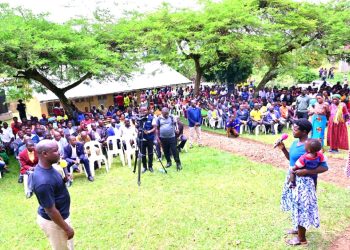
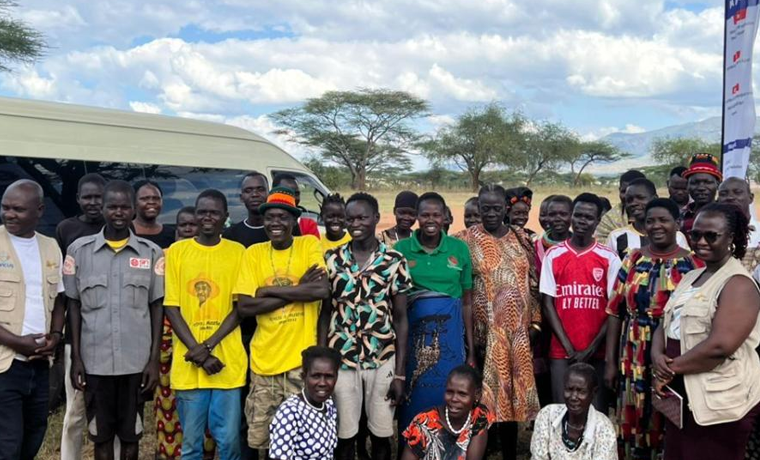
They raised their concerns at a dialogue held at the town council headquarters. The dialogue was organized by the Riam Riam Civil Society Network in partnership with CAPAID Uganda. It was a platform for open dialogues between citizens and duty bearers at all levels of government.

The members of the community and local leaders deliberated on transparency and its significance in ensuring equitable representation.
The community members said they were facing a number of challenges, including a water crisis, poor road networks, education, corruption, and inadequate healthcare services.
For instance, they formed a committee that has been spearheading the “go back to school” campaign, ensuring that all children stay in school. They have also established a women’s peace forum that promotes peace-building initiatives in the villages.
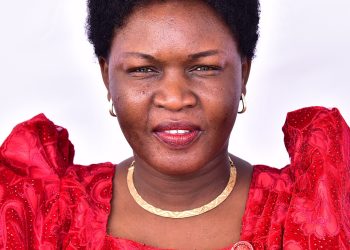
Mary Gorreti Longora, the Moroto district female councilor representing Nadunget Town Council, said that despite their efforts, the town council has been deliberately neglected by the district authorities.
Longora said that they are currently relying on local solutions to address some of the issues affecting the community, especially in the areas of education and sanitation.
She said that they have selected youth volunteers to clean the health facility as part of their contribution to support the healthcare system.
Longora noted that they are now crumbling with infrastructure, such as a poor road network, which the authorities have not given any attention to. She explained that the district did not allocate any road fund for the town council despite several calls made during council sessions.
Ruth Najore, another resident, shared her concerns about the health facility’s lack of accommodation for staff, children’s and maternity wards, and the impact on emergency responses.
Najore urged the government to take action, citing the need for more health workers, improved infrastructure, and better services.
Peter Lochugai, a resident of Loputiput village, highlighted the struggles they face, including a water crisis, poor road networks, and inadequate healthcare services.
Lochugai said that they have a health centre III that serves the entire sub-county, town council, and neighboring sub-counties, but it’s plagued by shortages of drugs and staff.
He also stressed that the health workers are often absent, and when they are present, they prioritize their private clinics over public service.
Lochugai also lamented the state of the road networks, which are impassable during the rainy season, and it’s difficult for patients to access medical care.
Dr. Philip Lote, in charge of Nadunget Health Centre III, said they strive to deliver better services despite limited resources and staffing.
He highlighted concerns about the facility’s overwhelming population, small drug allocations, and patients reporting late, affecting service delivery.
Lote said that they need more infrastructure, staff, and drugs to provide quality healthcare services to the community.
John Bosco Lomongin, Nadunget Town Council Health Inspector, urged the community to lead in fighting corruption by reporting irregularities, such as the sale of government drugs in private clinics.
Lomongin stressed that the fight against corruption should not only be left to the people in the authorities, but instead be a collective responsibility of every individual in the society.
Israel Lowal, the Community Development Officer for Nadunget Town Council, said they conduct budget conferences, engaging stakeholders to present challenges and achievements in service delivery.
Lowal noted that they also have community Barazas to gather feedback on government program implementation.
Lowal urged communities to visit concerned offices at the town council to raise issues affecting service delivery, saying their offices are open and officials are ready to receive complaints and work together to find solutions.
Ronald Matanda, working with CAPAID-Uganda, said they are working closely with the RiamRiam Civil Society Network to redefine how development is currently done, given the shrinking financial crisis, and empower communities to take charge of their own progress.
Matanda said they aim to empower communities’ resilience through mindset change, enabling them to take up development initiatives. He noted that although communities face various challenges, they need to identify ways to navigate and provide solutions.
He mentioned that communities raised concerns about drug theft at the health facility, an issue that doesn’t require funding to address.
Matanda said concerns about hygiene and sanitation are a community mandate, and they should ensure a clean environment to stay safe. He emphasized that communities can prevent some diseases at the household level by managing hygiene, reducing the burden of frequent health facility visits.
Matanda explained that they want to promote a culture where communities take charge of their development, despite infrastructural challenges.
Richard Omoding, Executive Director of RiamRiam Civil Society Network, said the dialogue aimed to understand community development challenges.
The community raised issues affecting them, and Omoding called on them to take action on some issues without relying on partners and the local government.
Omoding said they want to build sustainability by ensuring local initiatives champion development. He highlighted major issues, including health, corruption, and education, where communities identified gaps and possible solutions.
Omoding said that after developing the action plan, they shall follow up with the community and the local government, as well as some of the partners who can address some of the challenges.
He added that they also intend to further the discussion to the responsible government ministries at a higher level to find possible solutions to improve service delivery.
-URN. Give us feedback on this story through our email: kamwokyatimes@gmail.com