By KT Reporter
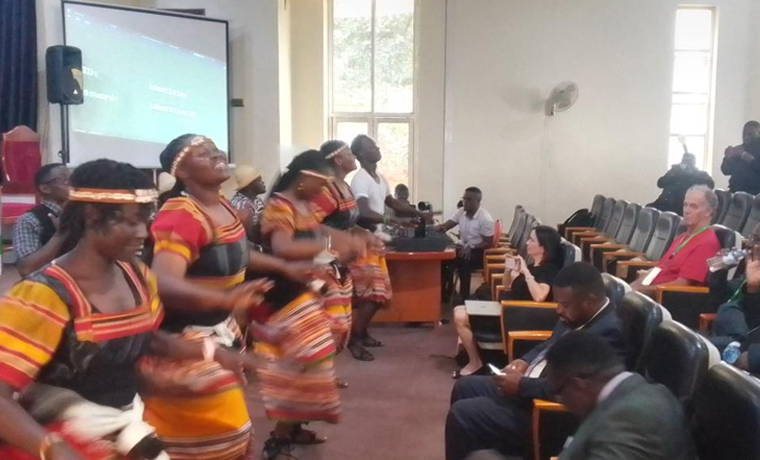
Music educators and scholars from across the globe are calling for the inclusion of music in school curricula to safeguard cultural identity and promote social impact. The call was made during the four-day 14th Pan African Society for Musical Arts Education (PASMAE)–International Society for Musical Arts Education (ISMAE) Regional Music Conference, held at Makerere University in Kampala.
Sheila Woodward, President of the International Music Council, emphasized that music should not be treated as an extracurricular activity but integrated as a core subject in formal education systems. “In many schools, including in Uganda, music is regarded as a hobby—something students pursue only if they have time or interest. But every child has the right to learn and practice music,” she said.

Woodward also stressed the importance of including music from various cultures to preserve global musical diversity and to ensure inclusivity. The conference, which attracted delegates from Africa, New Zealand, Australia, Sweden, and the United States, focused on policy influence to make music accessible to learners of all ages. It also advocated for fair remuneration for musical artists.
Woodward expressed concern about the impact of artificial intelligence on music, noting that many AI systems limit creativity and reflect cultural bias. “AI uses limited algorithms and languages that do not represent the world’s rich musical cultures,” she warned.
Prof Robert Wamala, representing Makerere University Vice Chancellor Prof Barnabas Nawangwe, underscored the role of music in addressing global issues beyond economics. “Cultural diversity, as expressed through music, is essential. This conference reminds us that music can unite—but also divide—depending on how it’s used,” he noted.
Dr Benon Kigozi, Secretary General of PASMAE, highlighted several challenges impeding music education in Africa. He noted that the high cost of instruments like pianos, drums, and guitars makes music a costly subject for many schools. “Unlike other subjects that require only textbooks, music demands instruments, which many schools cannot afford,” Kigozi said.
He also addressed the public perception of music as an unviable career path, despite its potential in areas such as therapy, education, and performance. Kigozi emphasized that if properly supported, music can serve as a tool for youth empowerment, helping to steer young people away from drugs and crime by grounding them in cultural identity and future aspirations.
The conference ran under the theme: “Revolutionizing African Music Arts Education: Innovation, Inclusivity, and Cultural Sustainability for Social Impact.” “This theme calls for more than just conversation—it urges action to integrate and practice musical arts education meaningfully across Africa,” Kigozi said-URN. Give us feedback on this story through our email: kamwokyatimes@gmail.com