

The Ministry of Finance, Planning and Economic Development is facing possible contempt of Parliament proceedings after repeatedly failing to appear before Parliament’s Committee on Physical Infrastructure to explain its role in the controversial Intelligent Transport Monitoring System (ITMS), also known as the digital number plates project.
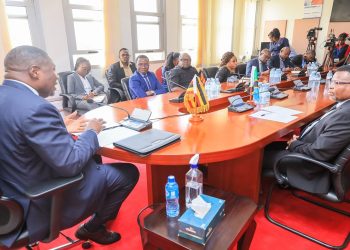
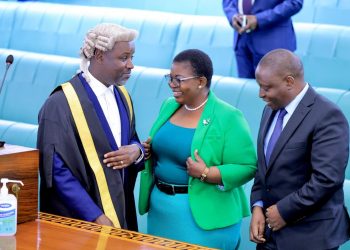
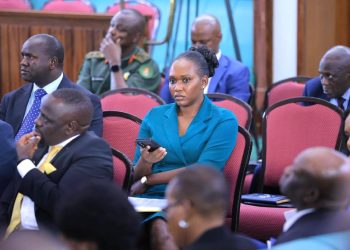
The committee, chaired by Mbarara City South MP Mwine Mpaka, resolved on Thursday to seek guidance from Speaker of Parliament Jacob Marksons Oboth- Oboth after the ministry failed to honour its latest invitation, despite being summoned five times, according to the chairperson.
Mpaka told journalists after a closed-door meeting with committee members that the committee would pursue the matter with the Speaker, arguing that the ministry’s repeated absence was undermining Parliament’s efforts to establish accountability over a project that could commit the government and motorists to substantial payments to a private contractor.

The ministry’s failure to appear also revives questions about its willingness to account to parliamentary committees, particularly when investigations touch on public expenditure, government contracts and the potential financial burden on taxpayers.
The latest standoff is not the first time the Finance Ministry has faced criticism in Parliament over failure to honour committee invitations.
Recently, Minister for Finance, Planning and Economic Development Henry Musasizi was compelled to apologise to the Committee on Commissions, Statutory Authorities and State Enterprises (COSASE) after members raised concerns over the ministry’s conduct and proposed a motion of censure over what they described as repeated disregard for the committee.
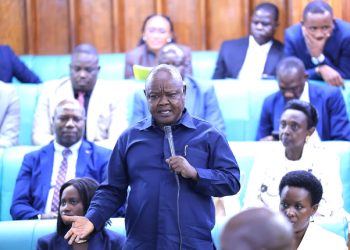
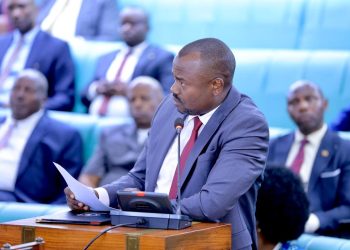
The episode exposed growing frustration among legislators over the ministry’s engagement with parliamentary oversight, with members warning that government officials should not treat invitations to account for public resources as optional.
The controversy places the ministry at the centre of a broader parliamentary inquiry into the procurement, cost and functionality of the ITMS, which has attracted scrutiny from legislators, transport stakeholders and local tracking companies.
Among the questions raised during the inquiry are whether the system delivers value for money, whether alternative technologies could achieve similar objectives at a lower cost, and whether the contractual and financing arrangements adequately protect public interests.
The committee has also heard proposals from local vehicle-tracking firms advocating alternatives to the government-backed system, intensifying calls for transparency over the choices made and the financial implications for motorists.
Parliamentary committees investigate government programmes, scrutinise expenditure and summon public officials to provide information needed for accountability. Repeated non-attendance can delay investigations and limit legislators’ ability to establish how decisions were made and who should be held responsible.
However, a declaration of contempt or a threat of proceedings does not, by itself, amount to a completed finding of contempt. The committee’s decision to consult the Speaker leaves the next procedural steps to be determined.
The ministry had not provided an explanation for its absence in the committee chairperson’s account of Thursday’s proceedings. Its position on the committee’s allegations was not immediately available-URN. Give us feedback on this story through our email: kamwokyatimes@gmail.com