

Legislators want government to prioritise water for development in the Karamoja sub-region to tackle famine and food insecurity.
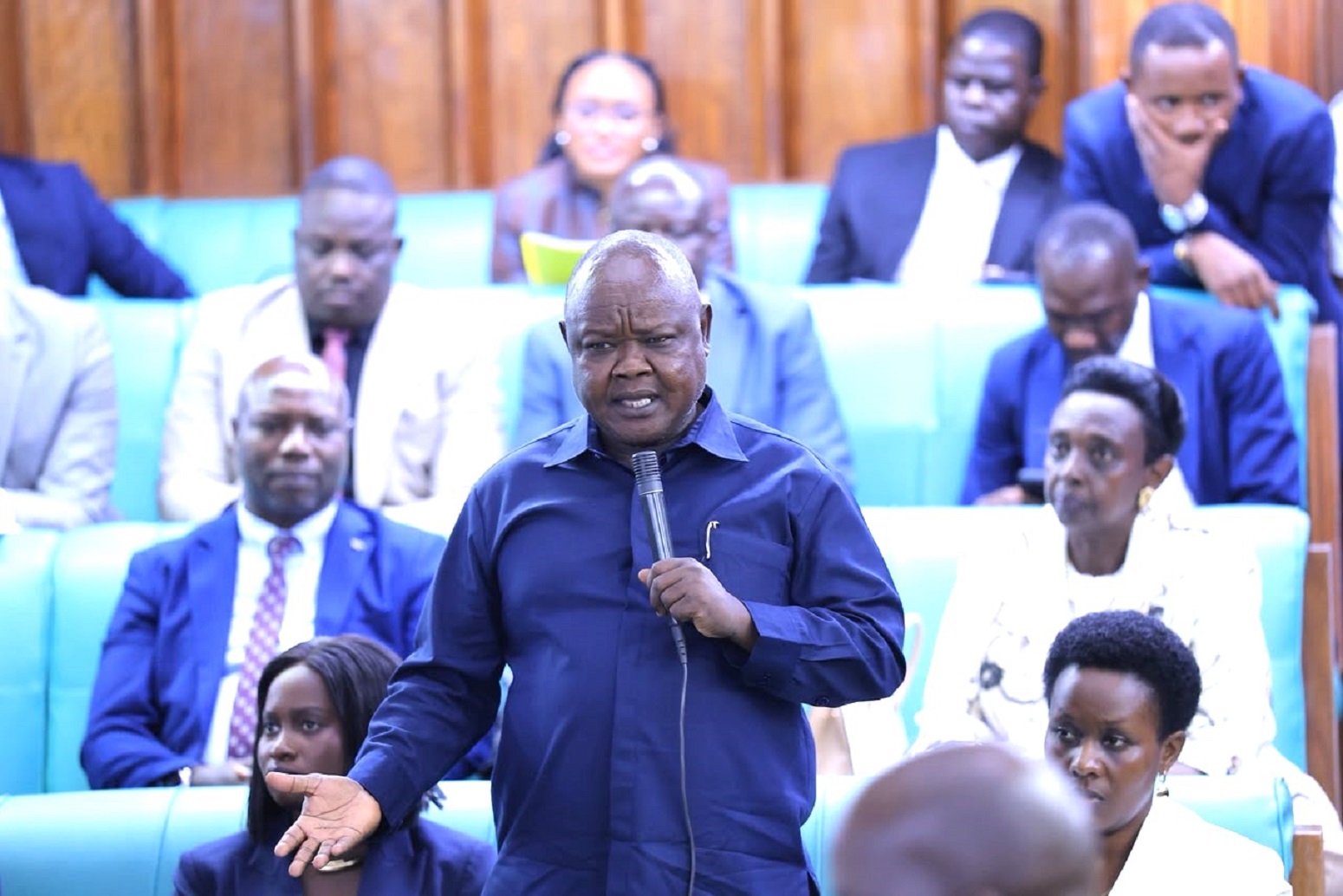
According to Hon. Emmanuel Ilukol (Indep., Bokora County), this will be best achieved by rehabilitating available valley dams in the sub-region, noting that there is little to no rain, to support agricultural activities.
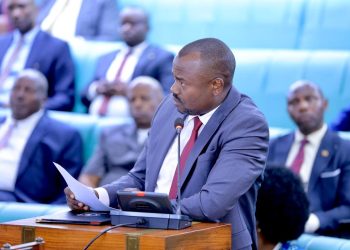
“Karimojong are pastoralists and can survive on water from dams as we wait for the bigger project to come. The Ministry of Water, and Ministry of Agriculture should work on these dams urgently,” said Illukol, during the plenary sitting on Wednesday, 25 November 2026.

Hon. Noah Musa (NRM, Koboko North County) proposed investigation into stalled works on valley dams in the sub-region, saying government should develop a permanent solution to supporting access to water for production.
“In West Nile, we lost the harvest for the first season and we currently have a drought. My constituents are afraid that crops for the second season are going to fail because we have no rain. This country needs to take water for production as an emergency,” Musa said.
A report of the Committee on Presidential Affairs tabled during a plenary sitting held on Thursday, 19 November 2026, revealed that much as government has spent Shs8.7 billion on 106 valley tanks and Shs45 billion on five dams in Karamoja, none of them are functional and some are only on paper.
The committee observed that all 54 valley dams in Kotido are dry, and that most projects were done by the Ministries with little or no involvement of the district local government and were abandoned before completion.
“The only dam in Kotido still holding water is Longor, built in 1925 using labour-based methods. A dam dug by hand a century ago is outperforming 54 modern valley tanks. The district requested that the tanks be de-silted through labour-intensive public works,” noted Hon. Martin Ojara, the committee chairperson while tabling the report.
He proposed a value for money audit by the Auditor General, for all valley dams in Karamoja sub-region, and a halt on funding for any new valley tank or valley dam without district involvement.
Hon. Francis Akorikin (NRM, Kapelebyong County) urged government to consider districts in Teso sub-region for development of water for production, noting that most districts in the region neighbour Karamoja, and face a similar food crisis.
“In Katakwi District, the price of a basin of cassava has reached Shs100,000 and one has to sell a goat to buy a basin of cassava. Teso sub-region is in the same crisis. I request that irrigation systems to boost production should be extended there,” said Akorikin.
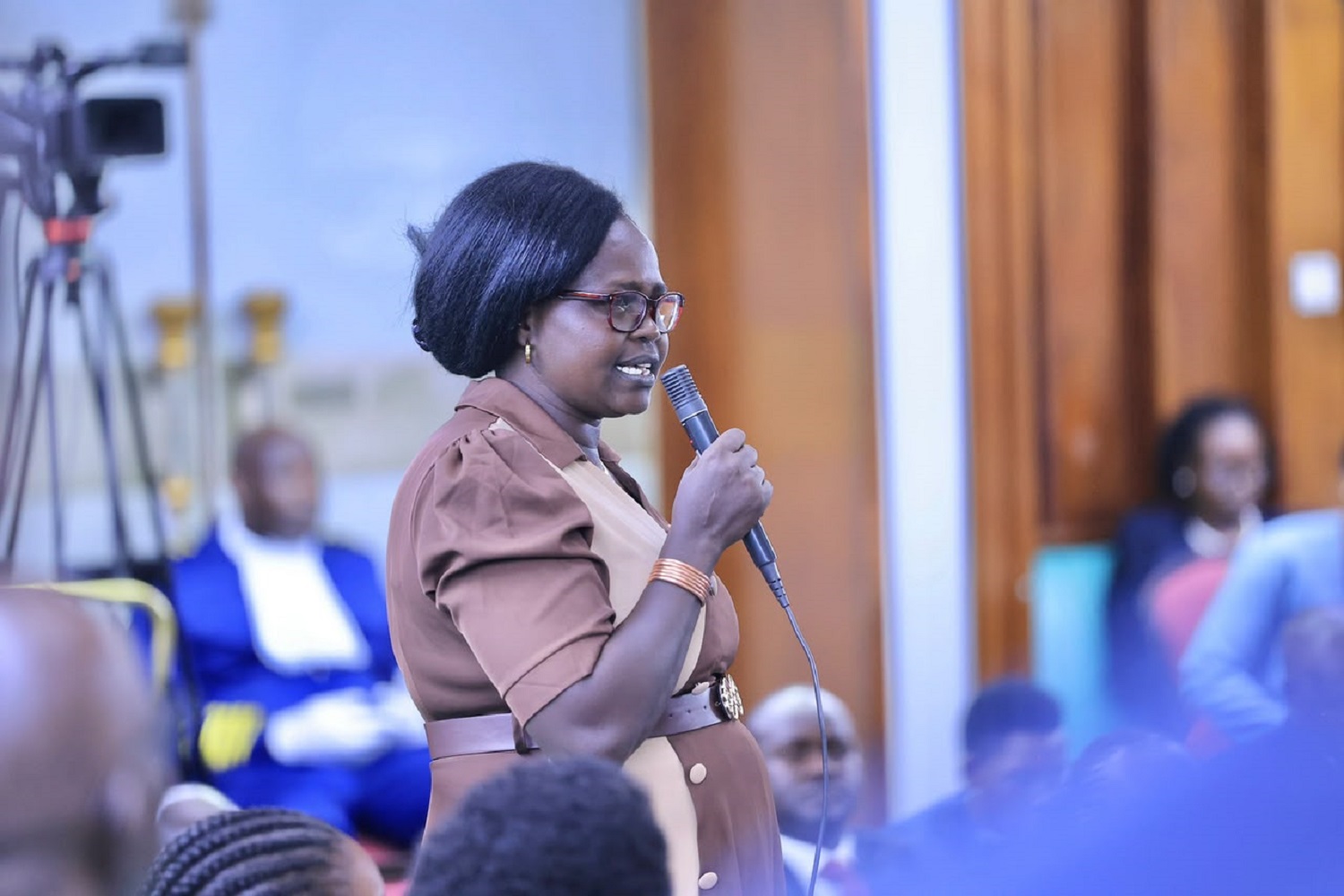
Hon. Rufina Cheutich (NRM, Amudat District Woman Representative) commended government’s move to provide food to vulnerable communities in Karamoja sub-region during the famine, and called for the move last longer, proposing a seven-month period.
Hon. Christopher Kibanzanga (Indep., Bughendera County) proposed the development of a 10-year master plan for Karamoja that could potentially transform the sub-region.
“Let us not pass a budget of government if it does not have Shs100 billion for Karamoja, for 10 years,” Kibanzanga said during the sitting chaired by the Deputy Speaker, Thomas Tayebwa.
The Second Deputy Prime Minister and Deputy Leader of Government Business in Parliament, Hon. Crispus Kiyonga, told the House that a national irrigation plan is underway, that will also cover Karamoja.
“The de-silting of valley dams has been planned for. Under the leadership of the Vice-President, a particular partner of Uganda has come forward to support government’s efforts to do irrigation in Karamoja. The delegation visited the affected areas to study the situation,” said Kiyonga.
He also said that government continues to deliver food to Karamoja, noting that the President has directed that Shs50 billion be invested in providing more food relief to the sub-region. He added that government will provide seedlings to locals when the rainy season begins-Ug Parliament. Give us feedback on this story through our email: kamwokyatimes@gmail.com