The Ministry of Education and Sports has begun reviving long-dormant Educational Assessment and Resource Services (EARS) centres in a move aimed at closing a massive gap in the identification and support of learners with special needs.
Sarah Bugosi, the Commissioner for Technical Support at the Ministry of Education and Sports, said the revival of the centres is meant to enable early identification of learners with special needs, ensuring they are placed in the right schools and, where necessary, referred for intensive medical or therapeutic care.
She explained that the government’s long-term goal is to establish EARS centres in every local government in the country, but the programme is beginning with the old 45 districts, which already have some infrastructure to support the function.

“A circular from the Permanent Secretary directed these districts to use part of the education sector funds meant for rehabilitation of classrooms and related infrastructure, already released under the sector plan, to restore the centres,” Bugosi said, adding that districts should not expect any special funding, but should instead work with resources already available to them.
She added that once districts complete the rehabilitation, the ministry intends to fully staff and equip the facilities before expanding the programme to newer districts. Beyond initial assessments, the initiative will also see the rehabilitation and equipping of full SNE resource centres, which will eventually offer multi-disciplinary evaluations covering hearing, vision, physical and cognitive development.
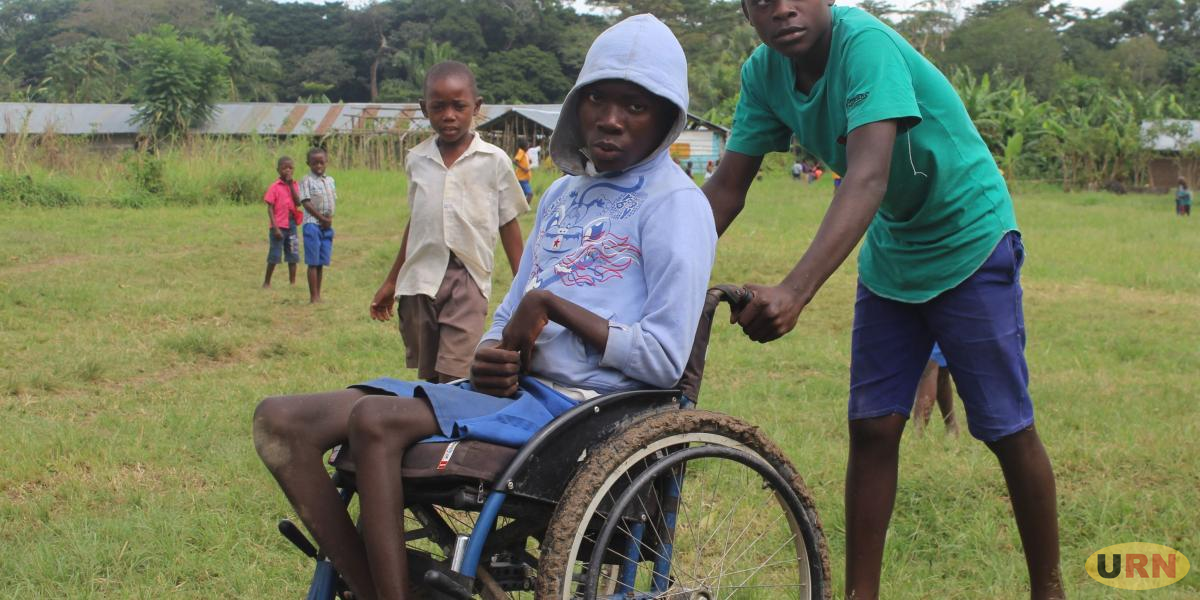
In Uganda, many children with special needs remain unidentified, particularly in rural areas, a gap that, among other factors, continues to lock them out of the education sector. Available data show that an estimated 16 percent of school-age children have special needs, yet only about two percent of primary school learners are formally enrolled as Special Needs Education (SNE) students.
The figure drops further at secondary level, to under one percent, while just nine percent of learners with special needs who start Primary One go on to complete Primary Seven. Around 1991 and 1992, the government launched the EARS programme in partnership with the Danish International Development Agency (DANIDA). Under the bilateral initiative, functional assessment hubs were rapidly established in all 45 districts that existed at the time.
The programme became legendary across rural Uganda for its yellow vehicles, which drove deep into remote villages to sensitise communities, break down disability stigma and evaluate children at their doorsteps. When DANIDA phased out its financial and logistical support between 1998 and 2000, local governments lacked the independent revenue to sustain the resource-heavy programme. The vans stopped running, the centres closed, and the infrastructure fell into disrepair for over two decades.
While many local governments have been slow to act on the new directive, Tororo District has become the first to restore its facility. According to the district’s Deputy Chief Administrative Officer, Judith Ayo, both political and technical leadership fast-tracked the project as soon as the ministry’s circular was received.
Ayo added that the district allocated 490 million shillings from its sector budget to reconstruct the primary assessment building alongside three staff houses and has since secured a wage allocation and recruited a dedicated Special Needs Education officer.
She added that the structures now stand fully refurbished, with district officials awaiting delivery of specialised assessment kits and equipment from the ministry. Education experts say re-establishing the EARS framework is critical to rescuing children who would otherwise remain locked out of the economy altogether.
Dr. Eria Paul Njuki, a Special Needs Education expert, said that without early assessment, children miss critical developmental windows for therapy or end up placed in schools ill-equipped to support them.
“When identification and assessment are late or missing entirely, the consequences are dire,” Dr Njuki said.
“Assessment is the essential first step that turns inclusive education from an idea into practice. It changes the situation from ‘this child is struggling’ to a clear understanding of exactly what the child needs, and where and how that support can be provided.”
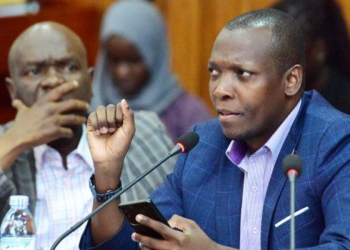
The Acting Minister of Education and Sports, Dr John Chrysostom Muyingo, echoed the sentiment, describing the EARS revival as a core plank of a broader national strategy to eliminate exclusion at the point of school enrolment.
He said that once assessment and placement frameworks are secured, the government’s next priority will be to systematically remove the physical and institutional barriers still penalising learners with special needs already in classrooms-URN. Give us feedback on this story through our email: kamwokyatimes@gmail.com