By KT Reporter
Mental health challenges are on the rise in Kasese District, with young people and adolescents emerging as the most affected group.
Local stakeholders attribute the growing crisis to early pregnancies, domestic violence, drug abuse, and negative peer influences, especially in schools. The situation has sparked concern among health workers, educators, and law enforcement officers, who say urgent, coordinated action is needed to address the trend.

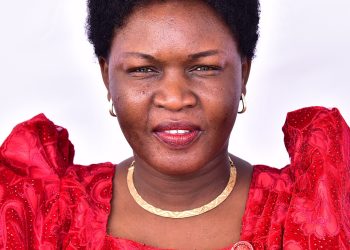
According to ASP Jane Ngelese, the head of the Child Protection Unit at Kasese Central Police, tackling mental health problems in the district requires a multi-pronged approach that addresses the root causes of distress among young people.
She said ending early pregnancies and domestic violence would significantly reduce mental illness in the community, adding that police are conducting awareness campaigns to sensitise residents about the dangers of untreated mental health conditions.
ASP Ngelese revealed that more than 10 suicide cases have been recorded in Kasese in the last nine months, most linked to mental illness.
During celebrations to mark International Repair Day at Kasese Primary School, Nakiyini Joan, the team leader at Raising Gabdho Foundation, underscored the value of vocational skilling as a tool for youth empowerment and mental well-being.
She noted that when young people acquire practical skills, they are more likely to develop purpose and self-confidence, reducing their vulnerability to risky behaviours such as substance abuse.
Observed every October 19, International Repair Day celebrates innovation, creativity, and the potential of repurposing broken or discarded equipment to create new opportunities. Nakiyini said such initiatives can generate income and hope among youth struggling with unemployment and mental distress.
Ntama Wilson, Chairperson of salon operators in Kasese Municipality, added that skilling youth keeps them engaged and productive, preventing them from falling into destructive habits like drug use.
Nationally, Uganda’s mental health system remains strained, with only 20 psychiatrists serving a population of over 46 million. In May this year, the Ministry of Health introduced a community-based care approach under the Community Treatment Order (CTO) strategy to ease pressure on tertiary facilities like Butabika National Referral Hospital.
The CTO model ensures patients receive follow-up care within their communities, making mental health services more accessible and reducing stigma.
As the world marks World Mental Health Day today, stakeholders in Kasese are calling for greater investment, awareness, and collaboration to support young people and create a community where mental health is treated as a universal human right.
-URN. Give us feedback on this story through our email: kamwokyatimes@gmail.com