District Local government leaders in western Uganda have asked the Ministries of Finance and local government to support them in streamlining already identified local revenue sources.
The leaders identify some of the sources, like allowing the erecting of roadblocks to collect taxes from agricultural outputs like Matooke, Cow dung, Cassava, beans, among others, and also recommend tourism development, agro-industrialisation, human capital development, infrastructure services and sustainable urban development as areas that need streamlining.
The district leaders from across western Uganda have raised concerns during the two-day local government Budget consultation meeting at Lake View Hotel in Mbarara being held under the theme “Full Monetization of Uganda’s economy, through Commercial Agriculture, Industrialisation, Expanding and Broadening Services, Digital Transformation and Market Access.”

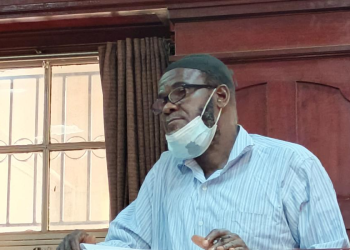
Alone Turahi, the Isingiro District Chairperson, says that local governments have been trying hard to collect revenue, with most of it coming from agricultural outputs, but they are challenged by political interference, like the presidential directive to remove roadblocks purposely for collecting taxes. He wants the ministries of finance and local government to help them identify other sources of revenue.
Jackson Tumuhirwe, Vice Chairperson of Rwampara District, says that increasing local revenue will be hard when the road networks in districts are still challenging, and the little road fund given to them.
He, however, adds that they have hopes in the parish development model for future revenues, but it is challenged by many gaps, especially the extension workers’ human resource and their facilitation.
The leaders also decried the delay in releasing funds they collect as local revenue from the center, narrating that they should be allowed as the collectors to manage and utilize the money they collect.
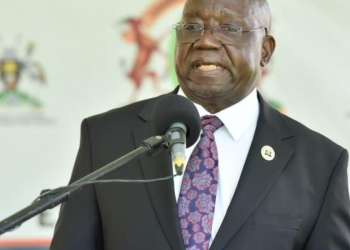
In response, the acting Director of Budget in the Ministry of Finance, Hannighton Ashaba, says they have developed a system called integrated financial management system that allows them to release the funds every first 10 days of a financial quarter.
/He has advised district Local governments to enhance physical planning and local revenue mobilisation by embracing innovative strategies, but also ensure every shilling collected delivers value for money towards the national tenfold growth.
Ashaba says that from the next financial year, all districts’ interventions must align towards strengthening and resolving persistent challenges to service delivery in local governments. He says the target is local governments to enhance their local revenue mobilization before the center can complement them.
He says local governments should stop lamentations but develop ideas on what the ministry can do and resolve through the budgeting process so that they follow them with financial allocations, strengthen the capacity to address human resource challenges, and provide them with all the tools they require especially in monitoring in digitization of revenue collection.
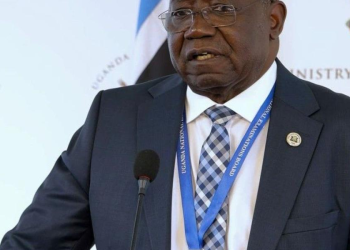
Arthur Bainomugisha is the Executive Director of Advocates Coalition for Development and Environment (ACODE) advised that to Finance Ministry should guide local government leaders to run them as business entities to achieve the intention.
He also asked them to support the Parish Development Model program, narrating that the trillions the government is injecting into will in the future, raise money that will be used as resources to support other initiatives. The target for the finance ministry comes at a time when Uganda’s public debt recently rose to approximately 137 trillion, translating to a debt-to-GDP ratio of about 54.2%-URN. Give us feedback on this story through our email: kamwokyatimes@gmail.com