Kampala Capital City Authority-KCCA has intensified its crackdown on illegal buildings in Kampala, with enforcement teams demolishing structures that do not comply with building control standards to restore order and safety.
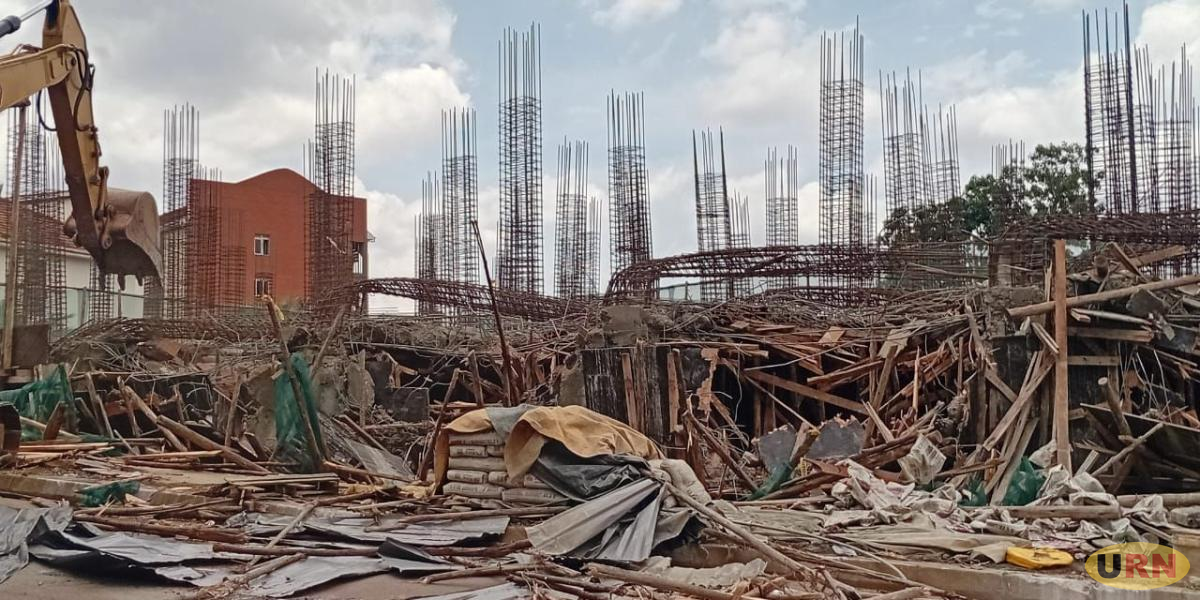
On Thursday, KCCA enforcement team together with police demolished a building that was under construction on Nakasero Road near the office of the Kampala Resident City Commissioner and a bar that was under construction on Baskerville Road in Kololo. Building materials were also confiscated.
KCCA said the two structures were illegal, with the one on Nakasero Road having encroached 2 metres into the road reserve while the one on Baskerville Road was illegal and unsightly. KCCA Spokesperson Daniel Nuwabine told Uganda Radio Network-URN that the demolition follows notices served earlier this year.

He said twenty cases in Central Division are already before court, while other structures across Kampala have been marked for demolition and their owners notified. Nuwabine said more buildings face demolition. The include the makeshift structures near Villa Park on Mukwano Road belonging to people renting on railway land.
The affected persons were given two weeks to vacate, a move that has angered business operators including furniture dealers and restaurant owners near the Nsambya traffic lights. Emmanuel Makya, one of the heads of operations in KCCA, said the Authority had repeatedly asked them to vacate and remove the structures, but they haven’t complied.
Another building on the list, according to KCCA, is on Upper Kololo Terrace, with demolition scheduled to start next week. Nuwabine said a comprehensive listof affected buildings is being compiled by the building and physical planning committees and will be published once the assessment is completed.
“The operation will resume at the start of next week targeting developers who do not have approved plans and those who have defied building guidelines,” Nuwabine said. “Demolition aims to prevent obstruction of public spaces and ensure construction is according to approved physical development plans. Obtaining a building plan does not give developers the right to exceed approved limits.”
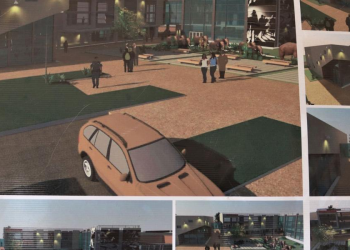
As an example, he said a developer authorized to construct a 50 square metre structure would be acting outside approved plans if they added another 10 square metres without approval. He added that such extensions can result in encroachment on road reserves or pedestrian walkways.
The enforcement comes amid continued concerns over unregulated construction and use of public spaces in Kampala, where rapid urban development has increased pressure on roads, drainage corridors and pedestrian infrastructure.
“We draw powers from the Physical Planning Act 2010 and the Building Control Act 2013,” he said. “Building Committees can order demolition of illegal structures under Section 28 of the Building Control Regulations, strengthened by the Amendment Act 2026 that came in force in March.”
A recent National Building Review Board (NBRB) report on building standards in Kampala found compliance in the Kampala Metropolitan Area remains very low.
According to its monitoring, overall compliance with the building control legal framework stood at only 12.6 percent, compliance with building permits at 0.6 percent, while only 0.9 percent of building operations involved a qualified professional. The current operations come after years of deadly building collapses in Kampala. In May 2026, three people died after a three-storey building collapsed in Kisota Zone, Kisasi in Kawempe Division.
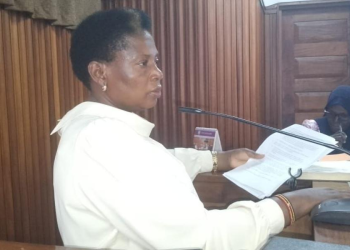
KCCA Executive Director Sharifah Buzeki said the structure was illegal, its plans had not been approved and developers defied a stop notice issued in April, constructing at night to evade enforcement. KCCA urged developers to comply with approved plans and obtain necessary permissions before construction, warning that non-compliant structures will be removed at the owner’s cost-URN. Give us feedback on this story through our email: kamwokyatimes@gmail.com