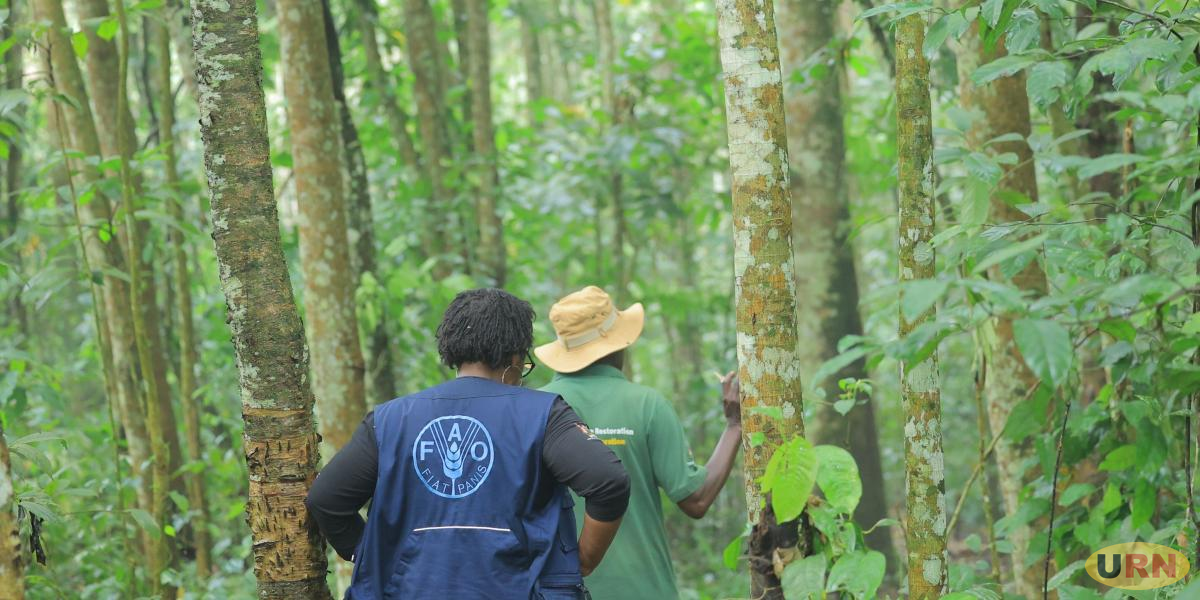
Uganda is currently grappling with the classic development dilemma of how to lift millions out of poverty while safeguarding its rich natural heritage. A growing consensus is emerging among policymakers, economists, and conservationists arguing that assigning real monetary value to the country’s forests, wetlands, lakes, and wildlife may be the smartest path to both environmental protection and sustained economic growth.
Wilson Asiimwe, Senior Economic Modeller at the Ministry of Finance, Planning and Economic Development, uses a simple but powerful analogy to illustrate the point.
“The value of a tree to many people is just the money obtained once it is turned into timber, and that increases GDP in the short term,” Asiimwe explains. “But the true value of forests is far greater. If we do not quantify the full benefits – from regulating water flows, supporting agriculture, storing carbon, preventing soil erosion, and sustaining biodiversity – we risk overcutting. One day there will be no trees left to cut, and GDP will eventually fall.”

Asiimwe adds that the short-term thinking has contributed to decades of environmental pressure. Forests have declined sharply, wetlands face encroachment, and ecosystems that underpin agriculture which employs the majority of Ugandans and contributes significantly to GDP, are under strain.
Dr. Peter Babyenda, Coordinator at the Centre of Excellence for Africa Climate Sensitive Macro-Modelling, says that although Uganda has made progress in assigning monetary values to some ecosystem services, much of nature’s contribution to the economy remains invisible. Most ecosystem services are not reflected in national accounts, with ecosystems often valued primarily through tourism revenue while many other services receive little or no economic recognition.
Dr. Babyenda adds that Uganda must begin asking fundamental economic questions about its natural resources. Once the value of ecosystems is properly measured, he says, the information should be integrated into the country’s macroeconomic planning to guide development decisions.
He says Natural Capital Accounting helps identify which ecosystems are under the greatest pressure, enabling policymakers to target conservation efforts where they are most needed. It also provides a basis for examining how natural capital should be incorporated into fiscal policy, public investment decisions, and national budgeting so that economic growth does not come at the expense of the country’s environmental assets.
To address these gaps, economists from the National Environment Management Authority (NEMA), Ministry of Finance, Ministry of Water and Environment, Uganda Bureau of Statistics (UBOS), and other institutions have been brought together under Makerere University’s Centre of Excellence for Africa Climate-Sensitive Macroeconomic Modelling. The collaborative group has so far produced policy briefs that highlight the urgency of the situation.
The policy briefs reviewed by our reporter argue that Natural Capital Accounting helps reveal this hidden value by measuring ecosystems in both physical and monetary terms using internationally recognised standards. This approach enables governments to monitor changes in natural assets alongside traditional measures of economic performance.
Uganda has already taken important steps in this direction. In 2023, UBOS produced physical and monetary accounts of ecosystem services and ecosystem asset values for 10 major ecosystem types, including forests, wetlands, farmland, grasslands, open water bodies, and urban green spaces, covering the period from 1990 to 2015.
The assessment found that the country’s total ecosystem asset value increased from 387.6 trillion shillings in 1990 to 682.9 trillion shillings in 2015. Despite this growth, the ecosystem asset value available per person declined by 17.7 percent over the same period, indicating that the natural resources supporting each Ugandan are becoming increasingly scarce.
The reports attribute the decline largely to significant losses in natural forests, woodlands, wetlands, and open water ecosystems. they warn that continued degradation of these ecosystems will reduce their capacity to provide essential services, ultimately threatening productivity.
one of the policy briefs recommends: “Integrate ecosystem accounting into national planning and budgeting processes. This will strengthen the management of natural capital, thereby support the achievement of NDP IV objectives and advancing the Ten Fold Growth Strategy.”
Traditional economic planning has often treated these natural assets as free or infinite. Trees are cut for fuel and farmland, wetlands drained for crops, and rivers polluted with little accounting for the downstream costs. But studies show this approach is shortsighted. One early assessment estimated the quantifiable annual economic benefits from Uganda’s biodiversity at over 1,112 billion shillings, far outweighing many of the costs of degradation.
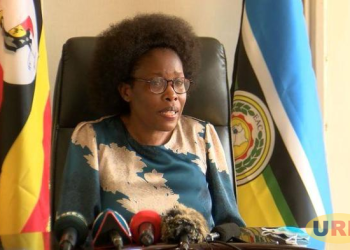
Beatrice Atim Anywar, State Minister for Environment, believes that assigning monetary value to ecosystems could be a powerful tool for their protection. She adds that some people see wetlands as God-given resources meant only for exploitation, forgetting that they must be used sustainably to continue supporting life.
Known as “Maama Mabira” for her fierce advocacy in defence of forests, Anywar recalls past battles where she and others argued that the full physical and monetary value of natural forests far outweighs the benefits of converting them to sugarcane plantations. She welcomes the latest policy briefs, saying they are finally vindicating the position she and many conservationists have long championed.
The Minister says assigning an economic value to nature creates practical opportunities for conservation and development financing. Through mechanisms such as Payments for Ecosystem Services (PES), communities and landowners receive incentives to protect forests and other ecosystems that store carbon, regulate water flows, prevent soil erosion, and support biodiversity.
She adds that valuing natural assets also enables Uganda to make better use of tourism revenues by reinvesting them in conservation, while emerging carbon markets and biodiversity credit schemes provide new sources of income as global demand for ecosystem protection grows.
The Minister says credible data on the country’s natural wealth also strengthens Uganda’s position when seeking financing. Rather than relying on donor support, the country presents its natural assets as valuable economic capital, improving its ability to access credit and attract investment-URN. Give us feedback on this story through our email: kamwokyatimes@gmail.com