 Dr Baryomunsi’s statement on malaria offered relief to worried parents
The Minister of Health, Dr Chris Baryomunsi, has dismissed reports that recent student deaths are a result of a new malaria strain, saying the fatalities are linked to an immunological gap among learners rather than a change in the malaria parasite.
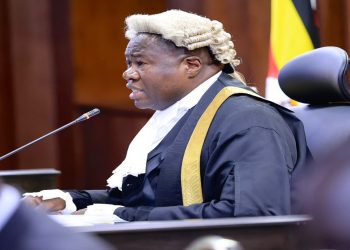
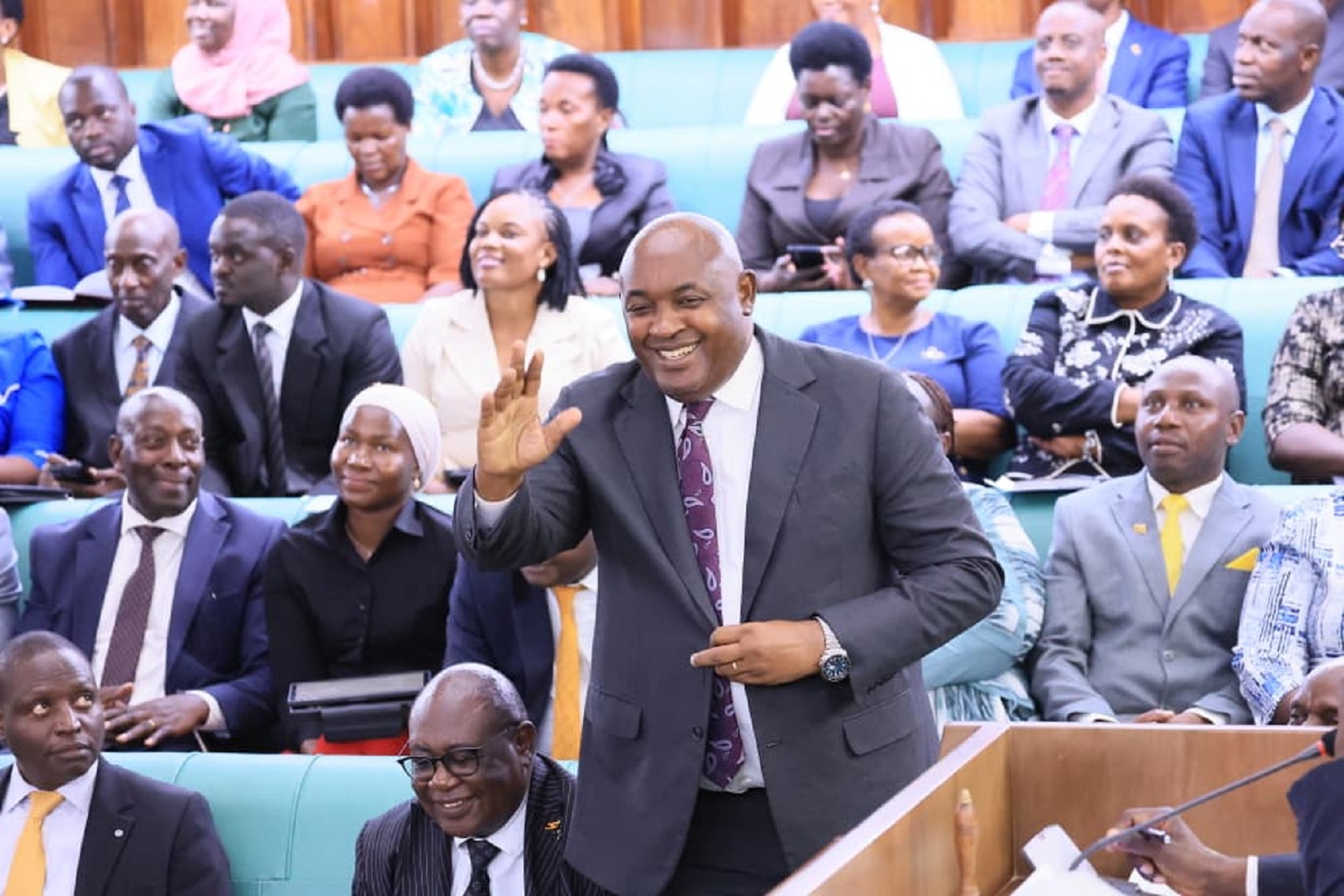
Baryomunsi made the clarification while presenting a ministerial statement before Parliament on Wednesday, 15 July 2026, during a plenary sitting chaired by Speaker Jacob Marksons Oboth.

His statement followed concerns raised by Hon. Andrew Kaluya (NUP, Kigulu County South) over suspected severe malaria cases affecting students in urban boarding schools.
The minister said Uganda has continued to conduct genomic surveillance of malaria parasites through the National Malaria Control Division in collaboration with research partners, and no evidence has been found of a more dangerous malaria strain.
“This surveillance has not detected any change in the virulence of the parasites currently circulating in the country. Plasmodium falciparum remains, as it has for decades, the dominant species in Uganda, accounting for approximately 97 per cent of infections,” Baryomunsi said.
He said available genomic and clinical surveillance data do not support claims that a new malaria strain is responsible for the recent deaths.
The minister confirmed that four learners in the Kampala Metropolitan Area died from severe malaria, including two students from Makerere College School, one from Mengo Senior Secondary School and one from Gayaza High School.
He, however, clarified that other recent student deaths reported at Naalya, Ndejje, Katakwi and Kakiri secondary schools were caused by suicide, trauma and road accidents, and were unrelated to malaria.
The increased vulnerability among urban learners, the minister said, is linked to reduced exposure to malaria due to declining transmission levels in Kampala and other urban areas.
He said children raised in low-transmission areas do not develop the same level of immunity against malaria as those in high-transmission areas, making them more vulnerable to severe disease when infected.
To address the challenge, the Ministry of Health, together with the Ministry of Education and Sports, is implementing measures including rapid diagnostic guidelines, training of school administrators on emergency referrals and strengthening health services in schools.
The Government is also planning rapid malaria risk assessments, confidential inquiries in affected schools, issuance of a ministerial circular on malaria prevention and treatment, and phased deployment of school nurses.
He said government is committed to ensuring that no learner dies or suffers prolonged disruption of education due to delayed prevention, diagnosis or treatment of malaria.
Responding to the statement, Hon. Kaluya welcomed the Government’s intervention, saying the measures had provided reassurance to parents and leaders.
“It gives us a lot of comfort both as parents and leaders not to worry so much about what is going on. However, we must improve how we combat malaria,” he said.
Hon. Frederick Angura (NRM, Tororo South County) urged the ministry to address gaps in health service delivery by ensuring sub-counties without Health Centre IIIs are provided with the necessary facilities.
Hon. Ethel Naluyima (NUP, Wakiso District Woman Representative) called for the inclusion of mental health programmes in schools.
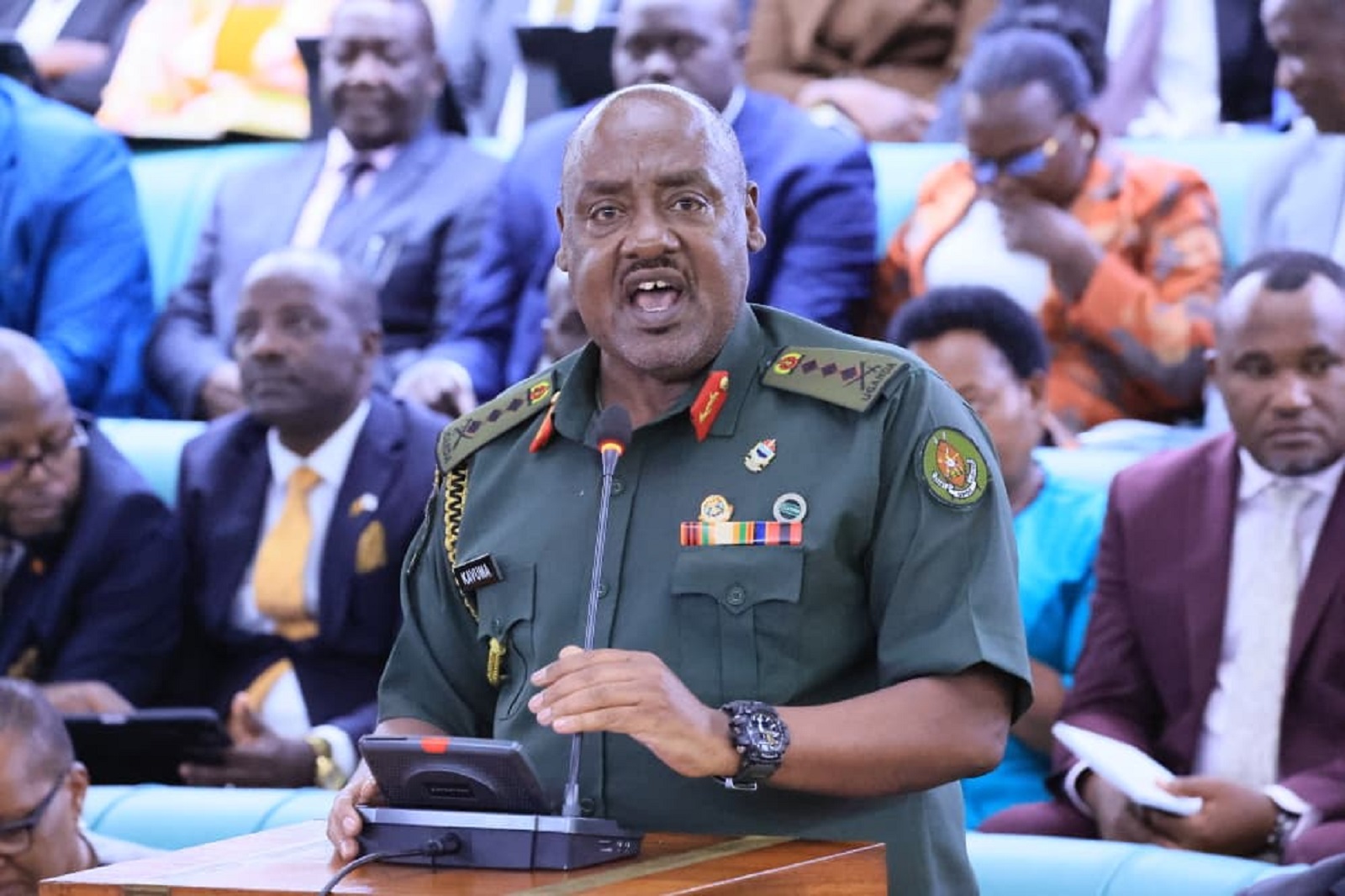
“Honourable Ministers of Health and Education, you will need to formulate a plan,” Speaker Oboth said in response. Gen. Samuel Kavuma (UPDF Representative) raised concerns over the low number of Ugandans seeking routine medical check-ups and challenges in accessing accurate diagnosis-Ug. Parliament. Give us feedback on this story through our email: kamwokyatimes@gmail.com