Hopes of reviving and owning locally based bus companies in West Nile are fading, raising concern among business leaders and residents who fear the region could lose an important pillar of its local economy.
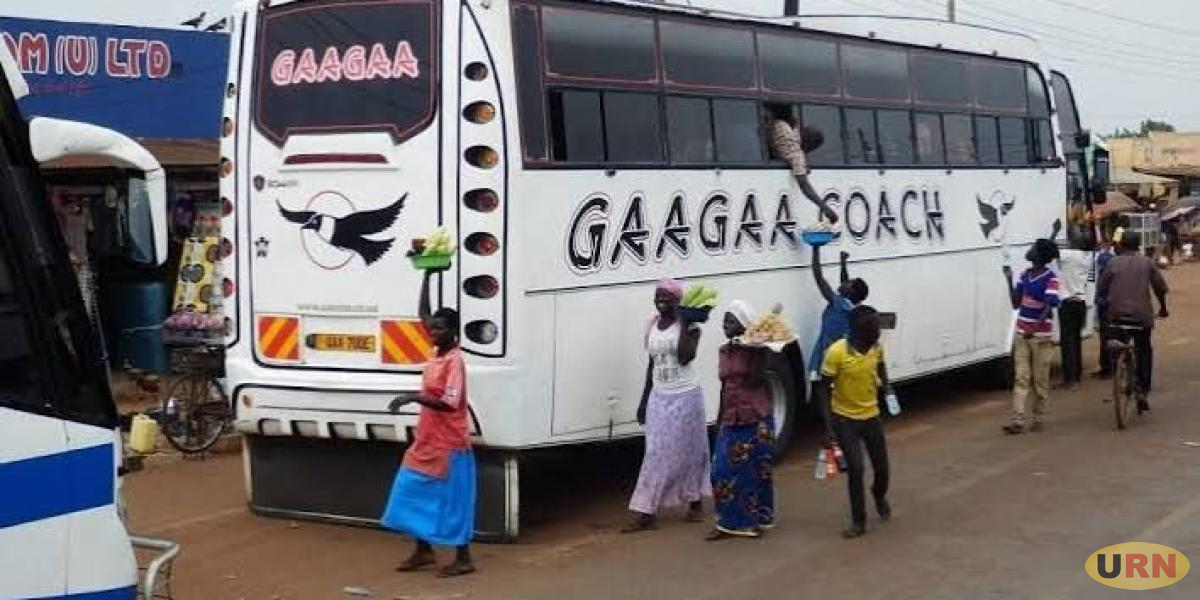
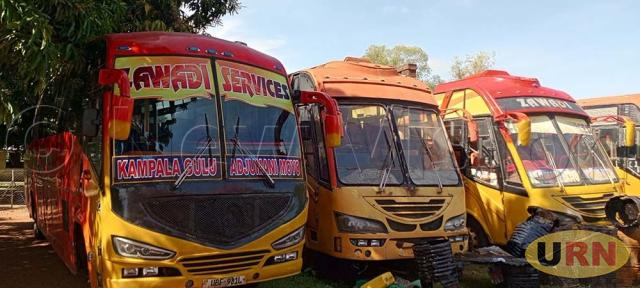
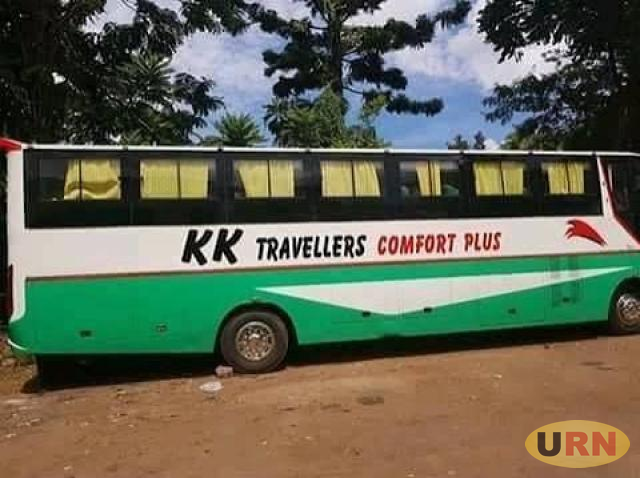
The concern follows the latest suspension of operations by Zawadi Bus Services, coming after the collapse of Gaagaa Bus Services and KK Travellers. The developments have renewed fears that West Nile could lose the passenger transport companies that were once a source of regional pride and an important channel for keeping money within the local economy.
Business analysts say the companies did more than provide transport. For decades, they supported livelihoods, created employment and enabled the movement of people and goods between West Nile, Kampala and neighbouring South Sudan and the Democratic Republic of Congo.

Moses Akuma Odims, the Executive Director of the West Nile Development Association (WENDA), a regional body that coordinates development efforts among local governments in West Nile, says the economic impact of the companies went far beyond their owners.
He says profits from Gaagaa Bus Services helped families pay school fees in Maracha, while salaries earned by employees of KK Travellers enabled families in Yumbe to build homes. The companies also provided jobs for drivers, conductors, mechanics, cleaners and ticket agents.
Akuma says the collapse of the three companies has weakened a transport network that was central to the region’s economy and connectivity. He argues that West Nile’s strategic position as a major trading corridor linking Uganda to South Sudan and the Democratic Republic of Congo makes reliable passenger and cargo transport essential.
According to Akuma, traders and residents are already feeling the consequences, with goods from Zombo facing difficulties reaching Kampala, traders in Koboko struggling with movement towards Oraba, students from Moyo facing challenges travelling to institutions in Kampala, and patients encountering difficulties accessing specialised medical services in the capital.
Fadhil Lemeriga, a long-time beneficiary of Gaagaa and KK Travellers, says the closure of the companies has not only eliminated jobs but also left hundreds of families uncertain about their livelihoods. He says the loss has also contributed to rising transport costs and dealt a blow to the sense of business pride that had developed around West Nile-owned enterprises.
Lemeriga wants the government to consider supporting local transport cooperatives through affordable financing to help restore the companies.
Meanwhile, Moses Obeta, the chairperson of the Arua Business Community, says government support for locally owned businesses in West Nile remains inadequate. Speaking in a mixture of Lugbara Ti and English, Obeta accuses the government of paying insufficient attention to local businesses while imposing what he describes as a heavy tax burden on them.
He wants the government to reconsider its approach and provide support that enables local businesses to survive, expand and contribute more to the regional and national tax base.
Some political leaders in West Nile attribute the collapse of the locally owned bus companies not to a lack of business capacity among West Nilers, but to the increasingly difficult operating environment in Uganda’s transport sector.
They point to high interest rates on loans, rising fuel prices, taxes on spare parts, poor roads that increase vehicle maintenance costs and the absence of financial protection when buses are grounded for extended periods.
They argue that West Nile needs a transparent and professionally managed transport investment company that can be owned by residents of the region.
Such an institution, they say, could mobilise local capital, reduce the cost of transport and help keep wealth circulating within West Nile while supporting farmers, traders and other businesses that depend on reliable transport.
Sam Obulejo, a regular passenger of Zawadi Bus Services, describes the company as a strategic regional asset whose suspension could have consequences beyond passenger transport. He says disruptions to the company could affect cross-border trade and weaken connectivity between West Nile and neighbouring countries.
Obulejo is calling for targeted government intervention, including affordable financing, fuel credit and temporary tax relief, to allow the company to restructure and resume operations.
“We are not asking for a handout. We are asking for time-bound, accountable support, a soft loan to restructure, a fuel credit facility, and temporary tax relief to get buses back on the road. It will cost government far less to save Zawadi today than to deal with the economic damage of a West Nile without its own carriers tomorrow,” he said-URN. Give us feedback on this story through our email: kamwokyatimes@gmail.com