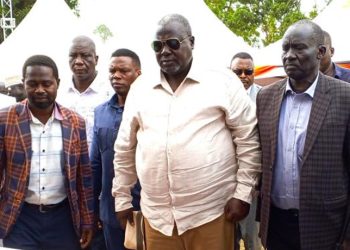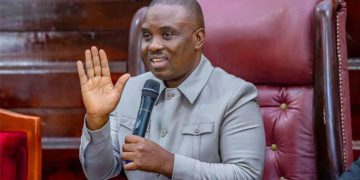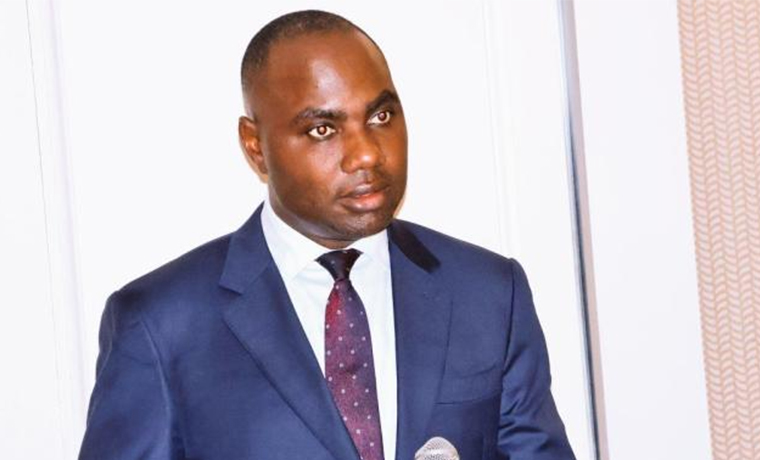
The Forum for Democratic Change (FDC) has sharply criticised the proposed National Budget for the Financial Year 2026/27, describing it as detached from the realities of ordinary Ugandans and overly skewed towards government and security spending. Speaking during a media briefing at the party headquarters in Najjanankumbi, FDC Vice Chairperson Centenary Robert Franco said the party’s review of the Shs 84.39 trillion budget revealed deep structural imbalances and worsening fiscal pressure on citizens.
He stated that, after analysing the allocations, the party concluded that: “THIS BUDGET WAS NOT written for the ordinary Ugandan. The budget was made for the comfort of those in power.” The budget was presented to Parliament on June 11, 2026, by Finance Minister Henry Musasizi. FDC warned that Uganda’s public debt, now estimated at Shs 126.19 trillion (about USD 34.86 billion), is approaching unsustainable levels. The party argued that corruption and inflated contracts continue to undermine public spending.
According to Franco, “It is estimated that between 20 and 30 percent of Uganda’s budget does not reach its intended destination. This means, out of Shs 84.39 trillion this year’s budget, between Shs 16 trillion and Shs.25 trillion will disappear into corruption, ghost projects, and inflated procurement.” The party also cited Auditor General reports, alleging persistent mismanagement of public funds.FDC questioned the allocation of Shs 10.21 trillion to security, governance, and rule of law, including Shs 5.03 trillion for the Ministry of Defence.

Franco argued: “Uganda is not at war with any foreign nation… Yet the budget for this small group exceeds what is spent on the health of 48 million people, the education of over 10 million schoolchildren, and the water needs of rural communities across the country.” The party further criticised State House expenditure, which it said exceeds Shs 800 billion, questioning spending on meals, travel, and donations. FDC also condemned new tax measures, including increases on fuel, cooking oil, sugar, cement, and motorcycle registration fees, arguing they would worsen the cost of living for ordinary citizens.
The party warned that: “Cooking oil is not a luxury. It is a household basic. Taxing it harder hits the poorest families the hardest.” It also argued that boda boda operators and informal traders would be disproportionately affected by the new levies. FDC outlined an alternative fiscal framework it described as a “people’s budget,” calling for increased funding to health, education, and agriculture, alongside reductions in security and administrative expenditure.
Key proposals included allocating at least 15% of the budget to health and education, recruiting more health workers, eliminating school examination fees for poor households, and expanding agricultural financing. The party also called for cuts to State House spending and elimination of what it termed non-essential presidential expenditures. FDC further proposed amendments to the Public Finance Management framework, arguing that outgoing governments should not design budgets for incoming administrations.
Closing the briefing, Franco cautioned Ugandans against optimism about the budget: “This is not a budget for an ordinary Ugandan. It is a wishlist written by a government that does not know where the money will honestly come from, backed by borrowing that future generations will repay.” He added, “Do not be excited about anything in this Budget. Brace yourselves for tough times ahead.”-URN. Give us feedback on this story through our email: kamwokyatimes@gmail.com