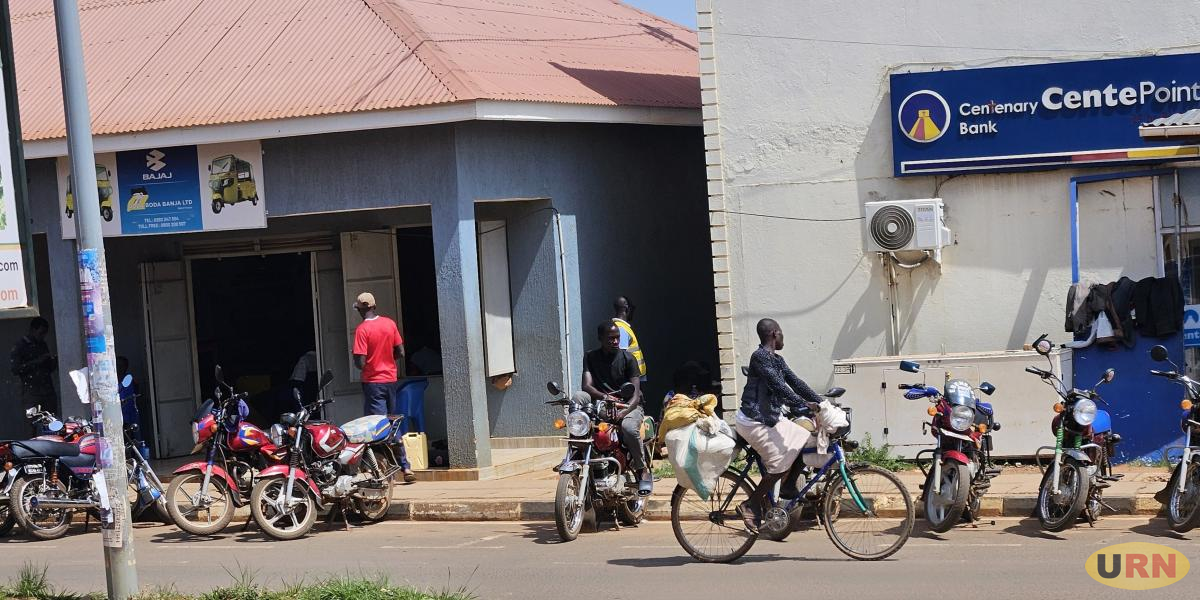
A mandatory annual registration exercise for boda-boda operators in Lira City has sparked growing tensions between riders and local authorities, amid disputes over legality, enforcement methods, and the structure of the fees being collected. The controversy stems from a city trade order requiring all boda-boda operators to pay Shs35,000 annually, comprising Shs15,000 for digital identity cards and motorcycle stickers, Shs13,000 for the city development programme, and Shs7,000 for boda-boda association activities.
The exercise has faced strong resistance from sections of riders who argue that it was introduced without adequate consultation and lacks a clear legal basis, with some now moving to challenge it in court. A group of boda-boda operators has instructed Egaru and Company Advocates to seek suspension of the exercise, arguing that no publicly accessible ordinance, council resolution, or formal directive authorizing the fees has been presented to riders.
They also question the legitimacy of individuals representing them in discussions with city authorities and accuse enforcement teams of impounding motorcycles and demanding payments before release. Some riders allege that the exercise is being implemented through intimidation and coercion.“The exercise is being implemented through coercive and unlawful means, including the deployment of hired bouncers and security personnel who are carrying out arbitrary arrests of riders and impounding their motorcycles,” said Steven Okullo, a boda-boda operator in Lira City.

Former Lango Sub-region Boda-Boda Chairman Bodyguard Odongo said operators are not opposed to regulation but are demanding transparency and accountability in how the collected funds are managed. According to Odongo, riders should be clearly informed about how the money is utilized and be adequately represented in decision-making processes affecting their livelihoods. The dispute has heightened tensions in a city where boda-boda transport remains one of the largest sources of employment for young people.
Lira City authorities have, however, denied allegations of heavy-handed enforcement, saying the exercise followed stakeholder consultations and sensitization meetings before implementation. City Communications Officer Robert Okello said a grace period was introduced in response to public concerns, with a two-week window agreed upon for voluntary registration.
“The grace period came because of the complaints that we are receiving… that is why we sat down together with them, and we have agreed that this exercise should go for two weeks, after that, we shall not even force anybody to register.” He explained that the registration is intended to improve planning, security coordination, and revenue collection within the city.
Okello cited previous challenges in data collection during emergency government interventions, including the COVID-19 period, when authorities lacked reliable statistics on affected groups. He also linked the exercise to service delivery, noting that local revenue collected supports essential services such as street cleaning and payment of sanitation workers.
“The past two days, the city streets were not swept… and the reason why the streets were not swept is that the sweepers had laid down the tools that they had not been paid for four months,” he said. Adding that boda-boda operators contribute to local revenue, which supports such services, he said: “Now, where do we get money from paying these sweepers? These old women, you see them sweeping, we pay them from the local revenue we generate locally here, and the boda-boda are a part of the community who make these streets dirty. ”Despite these explanations, opposition has continued to grow, with legal teams arguing that the exercise lacks a clear statutory foundation and risks violating riders’ rights. A group of boda-boda operators has instructed Egaru and Company Advocates to challenge the legality of the exercise, arguing that riders were not adequately consulted and questioning the legitimacy of representatives involved in negotiations with the city.
The dispute reflects broader national challenges facing local governments as they attempt to regulate the rapidly expanding boda-boda sector, which plays a key role in urban transport but is often associated with concerns over safety, crime, and revenue enforcement. The Ministry of Local Government has cautioned local leaders against implementing government programmes in ways that alienate communities. Permanent Secretary Ben Kumumanya urged authorities to balance enforcement with sensitivity and respect for citizens’ rights, warning against the use of force.
“We initiated the trade order to organize our communities, but we are appealing to the people involved in the implementation to put a human face to the exercise,” Kumumanya said. He added that leadership should go beyond enforcement to include dialogue and protection of public trust, stressing that legal processes should be followed in cases of non-compliance. As the standoff continues, riders are demanding greater transparency and legal clarity, while city authorities insist the exercise is necessary for order, security, and development-URN. Give us feedback on this story through our email: kamwokyatimes@gmail.com