Maternal and newborn health outcomes in the Karamoja sub-region have improved significantly over the past three years, with health workers reporting a 45 per cent reduction in maternal deaths linked to excessive bleeding, lower infant mortality, and expanded access to lifesaving maternal and neonatal services.
The gains are attributed to a three-year, 2.5 billion Shillings programme implemented by Doctors with Africa, CUAMM, with funding from the Government of Ireland. The initiative, titled Strengthening District Health Systems for Improved Access to and Utilisation of Quality Reproductive, Maternal, Newborn, Child and Adolescent Health (RMNCAH) Integrated Services in Karamoja, is expected to conclude in October 2026.
The programme adopted a health systems strengthening approach, working closely with district health teams, health facilities and communities to improve access to quality reproductive, maternal, newborn, child and adolescent healthcare services.

Among its key achievements are the renovation of maternity and neonatal infrastructure, training and mentorship of health workers, improved blood collection and storage systems, and the provision of critical medical equipment.
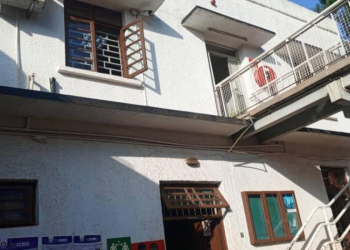
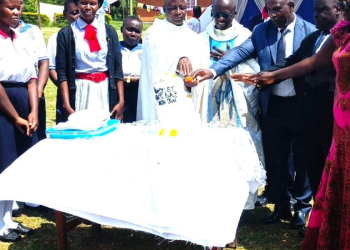
Karita Health Centre IV in Amudat received a renovated maternal theatre, while Kaabong General Hospital’s Neonatal Intensive Care Unit (NICU) is undergoing renovation. Karenga District benefited from a new drug store, and on Thursday, June 25, 2026, the Embassy of Ireland and CUAMM commissioned a new six-bed NICU at Abim Hospital.
The programme also strengthened blood transfusion services, addressing one of the leading causes of maternal mortality in the region.
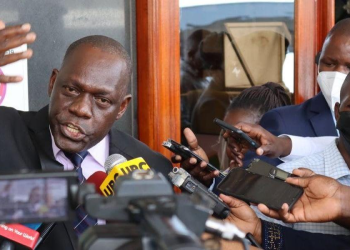
Dr Peter Lochoro, CUAMM Country Representative, said improved blood availability has reduced maternal deaths caused by excessive bleeding by 45 per cent. “Blood has been one of the biggest interventions in reducing maternal mortality because excessive bleeding remains a leading cause of death among mothers,” Lochoro said.
He added that CUAMM has also expanded adolescent health programmes to tackle rising teenage pregnancies, trained scarce health professionals through scholarships, strengthened tuberculosis detection and treatment, and worked with Village Health Teams to prevent malaria and pneumonia.
Lochoro noted that newborn care remains critical because newborn deaths account for 42 per cent of all under-five deaths, with three-quarters occurring within the first week of life. “Although the NICUs we have established are not yet of full standard, they are already saving lives,” he said.
Health workers say the programme has strengthened service delivery while building the capacity of frontline staff.
Dr Anthony Okuda Okengo, a Senior Medical Officer at Abim Hospital, said the partnership has improved reproductive, maternal, newborn, child and adolescent health services through infrastructure development, staff training and the provision of equipment.
According to Okengo, the hospital has benefited from emergency and surgical care support, blood storage equipment, neonatal intensive care equipment and an ambulance, among other interventions. He said the regional infant mortality rate has fallen to about 26 deaths per 1,000 live births, compared to the national average of 36 deaths per 1,000 live births.
Despite the progress, Karamoja still records one of Uganda’s highest maternal mortality ratios, estimated at 700 deaths per 100,000 live births, far above the national average of 189 and the government’s target of 70 deaths per 100,000 live births.
Okengo said more investment is needed to sustain the gains. At Karita Health Centre IV in Amudat, Senior Midwife Regina Imalingat said the new maternity theatre has significantly reduced referrals for mothers experiencing delivery complications.
“Many of our mothers are teenagers. When we refer them, some refuse to travel and instead cross into Kenya because of transport challenges. Having a functioning theatre here has enabled us to save more mothers locally,” she said. However, she noted that staffing shortages continue to affect service delivery.
District leaders also appealed for continued support to address persistent health system gaps. Kotido District Chairperson Paul Lote Komol called for additional investment in Kotido Hospital, citing inadequate wards, limited staff accommodation and shortages of medical equipment.
He said the district recently recruited associate consultants and two specialist doctors in surgery and gynaecology, who saved the lives of four critically ill women within a single week.
Abim District Chairperson John Da West Ariko appealed to the Embassy of Ireland to help trace an ambulance that was initially secured for the district but was later reallocated by the Ministry of Health. He said Abim Hospital currently operates only one ambulance, which is overstretched and prone to breakdowns, while the hospital also has just four doctors serving the entire facility.
Abim Resident District Commissioner Robert Adiama highlighted unreliable electricity as another major challenge affecting healthcare delivery. He said the government is working to improve power supply from Lira and plans to install a solar-powered backup system to keep the neonatal intensive care unit operational during outages.
Local leaders praised the partnership between CUAMM and the Government of Ireland, saying it has strengthened the region’s healthcare system and improved access to quality services for vulnerable women and children.
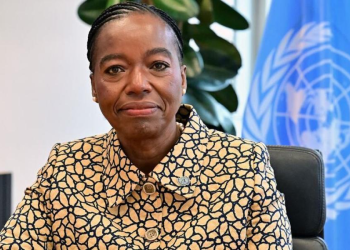
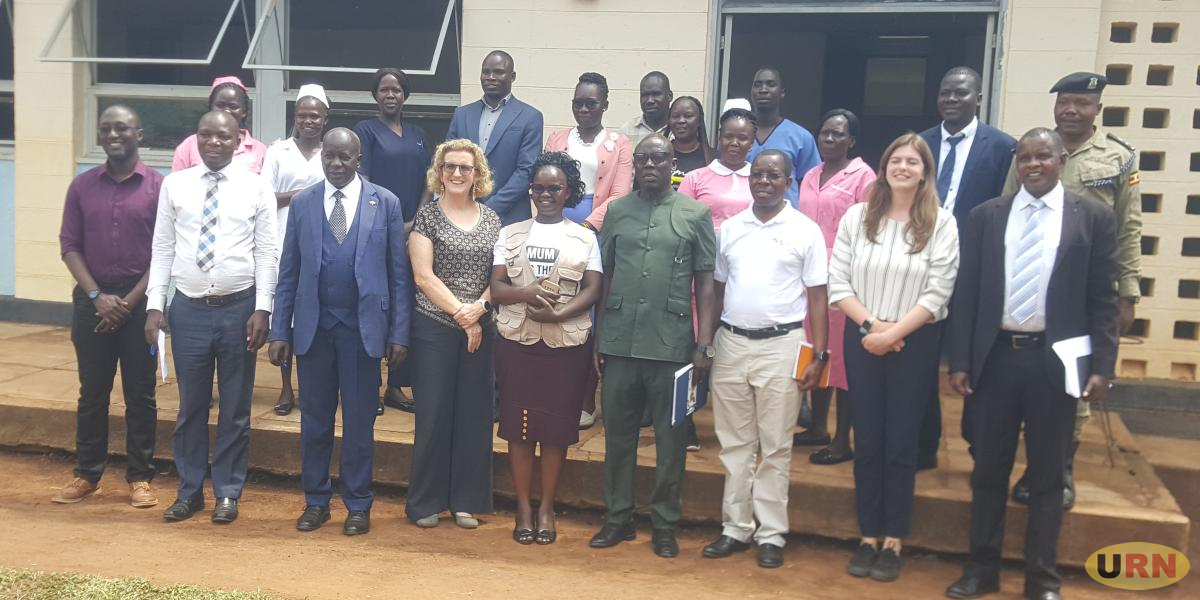
During a visit to inspect the programme, Ireland’s Ambassador to Uganda, H.E. Mags Gaynor, described Karamoja’s maternal mortality figures as deeply concerning. “It is frustrating to know that about 700 mothers still die for every 100,000 live births in Karamoja,” she said.
Gaynor also expressed concern over rising teenage pregnancies, noting that they continue to contribute significantly to maternal and newborn deaths. She commended health workers for their dedication despite staff shortages and long working hours, encouraged mothers to utilise neonatal intensive care services, and reaffirmed Ireland’s commitment to supporting stronger, more resilient and equitable health systems in Karamoja. Although the current programme is scheduled to end in October, CUAMM says its partnership with the Government of Ireland will continue as both institutions seek additional resources to sustain and expand lifesaving healthcare interventions across the region-URN. Give us feedback on this story through our email: kamwokyatimes@gmail.com