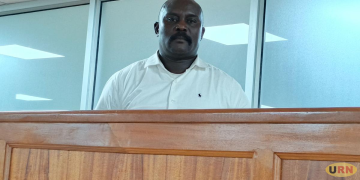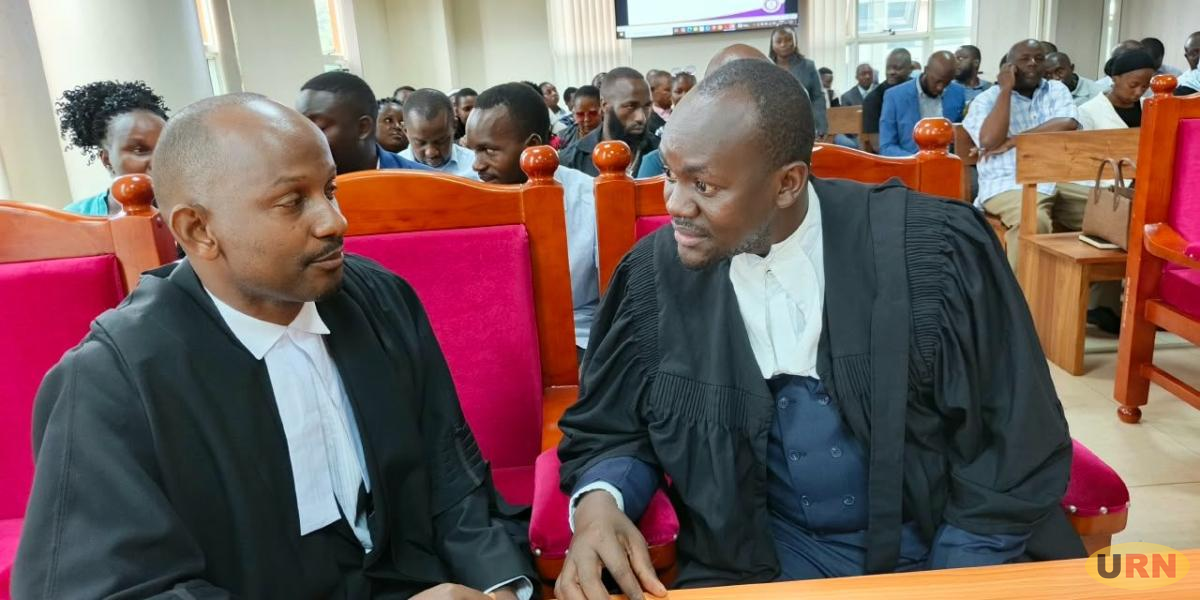
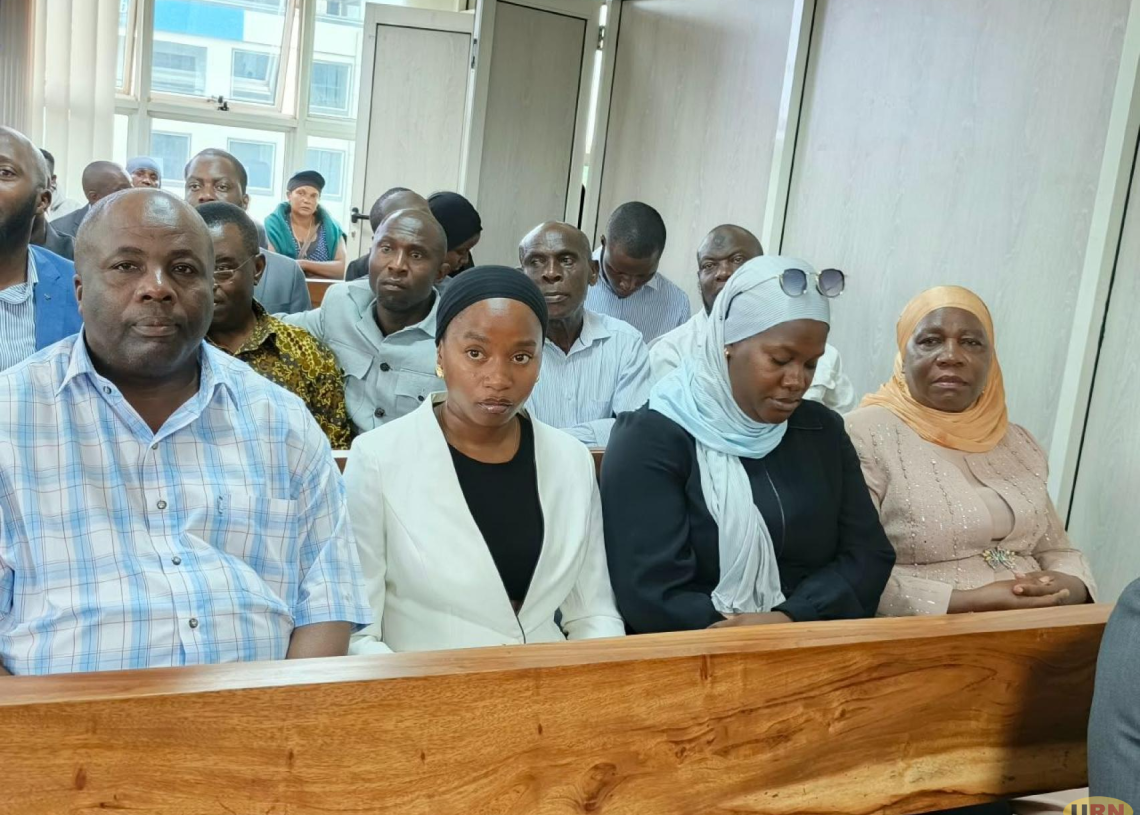

The High Court in Kampala will on October 7, 2026, rule on an application seeking to strike out 97 affidavits filed in support of a petition challenging the election of Kampala Central MP Minsa Kabanda Nabbengo. The affidavits are being contested by the Electoral Commission, which argues that they were filed without court permission and outside the statutory timelines for filing evidence in an election petition.
The petition was filed by former National Unity Platform parliamentary candidate David Lewis Rubongoya, who is challenging Kabanda Nabbengo’s victory in the January 15, 2026 Kampala Central parliamentary election. The Electoral Commission declared Kabanda Nabbengo the winner with 22,280 votes against Rubongoya’s 18,211, giving her a margin of 4,069 votes.
Rubongoya disputes the results, alleging alteration and addition of votes, exclusion of polling-station results, multiple voting, ballot stuffing, use of pre-ticked ballot papers and intimidation of his polling agents and voters. He alleges that more than 1,335 votes were improperly added in Kabanda Nabbengo’s favour in Nakivubo, Mengo, Kisenyi, Kamwokya II, Old Kampala and Kololo III.

He also claims that results involving 3,586 registered voters at seven polling stations were excluded from the final tally. Rubongoya further alleges that security personnel and Kabanda supporters controlled some polling stations and that their presence in restricted areas interfered with the ability of his agents and voters to participate freely in the election. He is also challenging Kabanda Nabbengo’s eligibility, citing alleged discrepancies in her name and academic qualifications.
Rubongoya claims that the name under which she was nominated did not correspond with records held by the National Identification and Registration Authority. He also alleges that her Advanced Level-equivalent certificate was obtained only 15 days before nomination and submitted on nomination day. During Wednesday’s proceedings, Electoral Commission lawyer Steven Kalali told the court that the Commission was seeking to strike out the 97 affidavits because they were filed without leave of court.
Kalali argued that affidavits supporting an election petition should be filed within the statutory timelines, adding that the contested affidavits were filed about three months after the Commission had already filed its answer to the petition. The petition was filed on March 30, 2026, while the Electoral Commission filed its answer on April 7. Kalali argued that allowing the additional affidavits to remain on the court record would prejudice the respondents because they would be unable to amend their answers to respond to evidence introduced later.
He said some of the affidavits introduce allegations relating to criminal charges against some individuals, while others contain claims of violence at polling stations. Kalali clarified that the Commission was not asking the court to dismiss the entire petition, but to strike out portions affected by the preliminary applications. The Commission has also filed a separate application concerning complaints about Kabanda Nabbengo’s nomination.
Kalali argued that issues relating to pre-nomination complaints, including academic qualifications, fall within the Electoral Commission’s mandate and should have been raised before the election rather than being brought before court after the election. Rubongoya’s lawyer, Jude Byamukama, opposed the application, arguing that the petition was filed within time and that the supporting affidavits were filed in June, giving the respondents sufficient time to review them before raising objections.
Byamukama urged the court to proceed to the substantive issues instead of allowing preliminary objections to delay the hearing. He argued that the evidence filed by Rubongoya would demonstrate that his client won the Kampala Central election. Rubongoya has also asked the Electoral Commission to provide additional electoral documents, including scanned copies of declaration of results forms and electronic transmission records for selected polling stations.
Byamukama said the request was intended to verify alleged discrepancies in some declaration of results forms already supplied to the petitioner. He said some of the forms contained figures that Rubongoya considered altered and that the additional copies would help establish whether the allegations were accurate. Byamukama told the court that Rubongoya would even consider withdrawing the petition if the additional records disproved his allegations.
The Electoral Commission opposed the request, with Kalali arguing that the Commission had already supplied the relevant declaration of results forms. He asked the court to first determine the interlocutory applications before the substantive petition proceeds to hearing. Kabanda Nabbengo’s lawyer, Ambrose Tebyasa, also opposed the request to proceed directly to the merits.
Tebyasa argued that the petitioner was still seeking additional evidence several months after filing the petition and that the court should first determine the objections concerning the affidavits. He said the respondents needed certainty about which evidence was properly on the court record before preparing for the substantive hearing. In her ruling, Justice Flavia Nabakooza held that the court should first deal with interlocutory matters arising from the election petition, except matters relating to withdrawal of the petition.
Justice Nabakooza said proceeding with the substantive petition before resolving objections to some of the affidavits could create uncertainty about the evidence properly before the court. On the request for additional scanned copies of electoral documents, the judge found that the documents already on the court record were sufficient unless the petitioner could demonstrate that the copies were not genuine.
The judge consequently fixed October 7, 2026, for the ruling on the preliminary applications. Rubongoya is seeking to have Kabanda Nabbengo’s election overturned and to have him declared the rightful winner or have a fresh election held in Kampala Central-URN. Give us feedback on this story through our email: kamwokyatimes@gmail.com