Some Congolese nationals have resorted to using porous border routes to enter Kisoro District despite the Ugandan government’s continued closure of the official border with the Democratic Republic of Congo (DRC) following the Ebola outbreak.
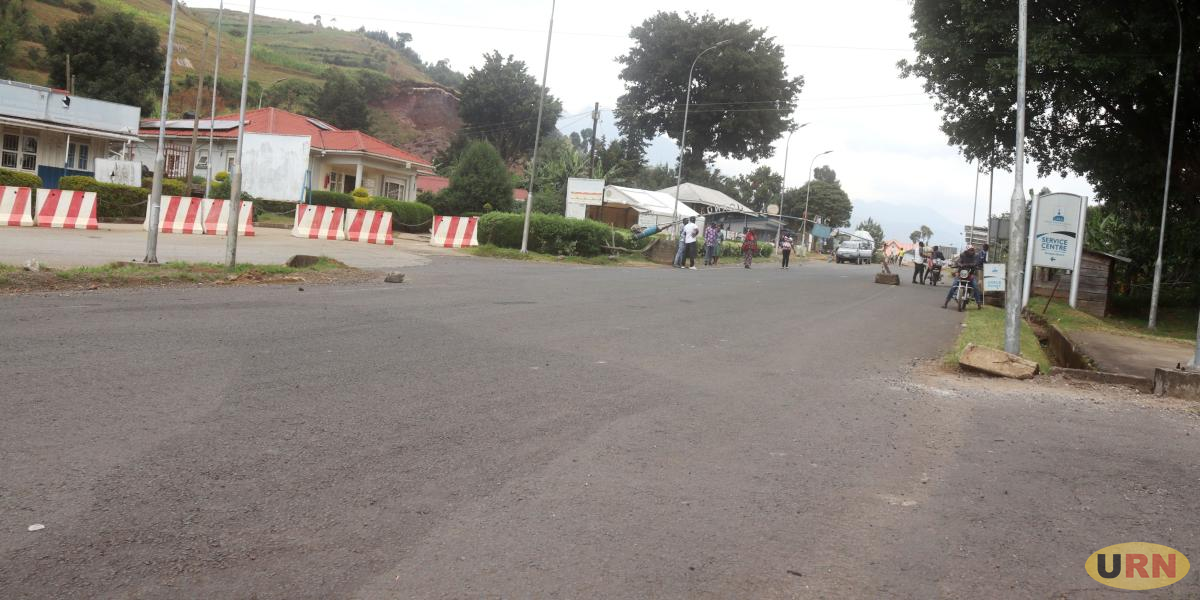
On May 27, 2026, Uganda temporarily closed its border with the DRC after authorities reported a continued escalation of the Ebola virus disease outbreak in eastern DR Congo. Security was subsequently reinforced at the Bunagana border to prevent both Ugandan and Congolese nationals from crossing between the two countries.
Despite the restrictions, many Congolese nationals have turned to unofficial crossing points into Kisoro District, particularly through Bunagana Town Council, in search of livelihoods.

Most cross into Uganda to engage in small-scale trade, seek casual employment, purchase food and other essential commodities, or access basic services.
Others have found themselves in a cat-and-mouse game with Ugandan security personnel, who regularly patrol the porous border areas and intercept those attempting to cross illegally.
Security officers have repeatedly warned against using unauthorized routes, citing the risk of importing Ebola into Uganda.
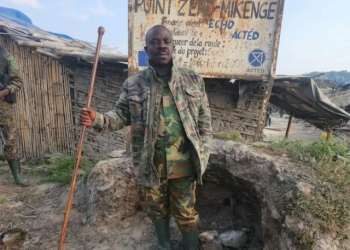
Innocent Zabaye, a resident of Karambo Village, about three kilometers from the Bunagana border in Rutshuru Territory, North Kivu Province, was found on the Ugandan side of the border in Bunagana Town.
Zabaye admitted that he crossed into Uganda through a bush path in the hills.He said he is forced to use porous routes because selling goods in Uganda is the only way he can earn enough money to support his family.
According to Zabaye, on days when he successfully crosses without being intercepted by Ugandan security personnel, he earns about Shs10,000 from selling his merchandise. On other days, he is forced to return home empty-handed.
Alice Muhawe and Elina Nyiransabimana, also residents of Karambo Village in Rutshuru Territory, said they continue crossing into Uganda despite being caned by Ugandan security officers for using illegal routes.
The two women said they bring agricultural produce, including sorghum, beans, Irish potatoes and bananas, to sell in Uganda before returning home with salt and other household necessities.
David Nkunzi, a general merchandise trader at Bunagana border, said the continued closure has severely affected businesses, particularly retail traders who depend on cross-border commerce.
Nkunzi argued that the closure has done little to prevent the spread of Ebola because many Congolese nationals continue entering Uganda through porous border routes.
He added that those using illegal crossing points bypass health screening measures such as handwashing and temperature checks, increasing the risk of disease transmission.
Ismail Ndayambaje, the LC III Chairperson of Bunagana Town Council, acknowledged that some Congolese nationals continue to risk beatings from security personnel to cross into Uganda in search of livelihoods.
He added that some Ugandans are also crossing illegally into the DRC for trade despite the strict enforcement measures.
Ndayambaje said the continued use of porous border routes increases the risk of Ebola spreading into Uganda, although he sympathized with affected communities, noting that many families depend on cross-border trade and casual labour for survival.
He suggested that the border should be reopened while maintaining strict health measures, including Ebola screening and testing for all travellers before they are allowed to cross.
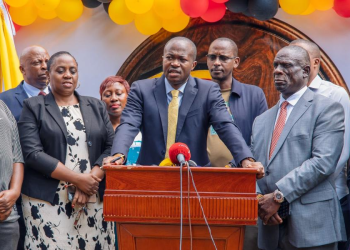
However, the Acting Kisoro District Health Officer, Dr Bosco Muhangi, said directives issued by the National Ebola Task Force remain in force, and residents of the DRC are not permitted to cross into Uganda until further notice.
Muhangi urged communities to comply with the directives and avoid illegal border crossings, emphasizing that everyone has a responsibility to protect themselves and others from the deadly disease.
According to the latest World Health Organization (WHO) situation report, the Ebola outbreak in the Democratic Republic of Congo has claimed more than 500 lives.
Data released on Monday, based on reports from Congolese health authorities, indicated that at least 506 people had died while 1,561 confirmed Ebola cases had been recorded. In Uganda, health authorities have recorded two Ebola-related deaths and 20 confirmed cases-URN. Give us feedback on this story through our email: kamwokyatimes@gmail.com