More
than 150 patients were referred from Bududa District to Mbale Regional Referral Hospital in the 2025/2026 financial year because of inadequate blood supplies, according to the District Health Officer. The shortage is reflected in the district’s request to the Mbale Regional Blood Bank. Bududa requested 6,000 units of blood during the financial year but received only 427 units, leaving a significant gap in meeting the transfusion needs of patients in the district.

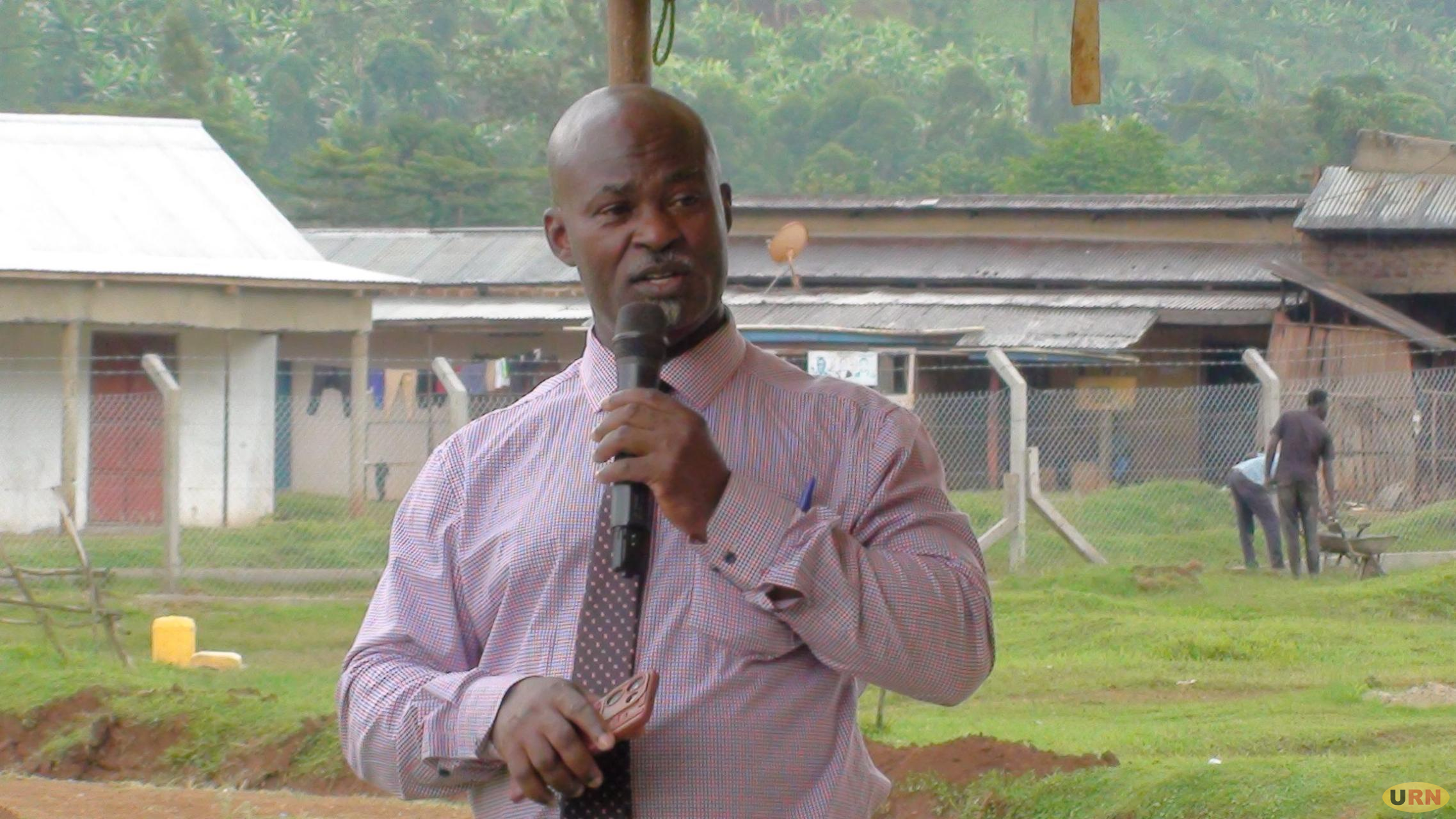
Bududa DHO, Dr. Kakala Alex Mushiso, said the available blood was used to support about 500 patients, including children who often require less than one unit depending on their medical condition and the amount of blood needed. “Over 150 people are referred to Mbale Regional Referral Hospital every financial year because of lack of blood in Bududa,” Mushiso said.
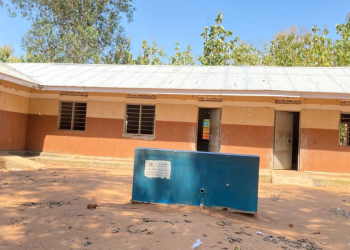
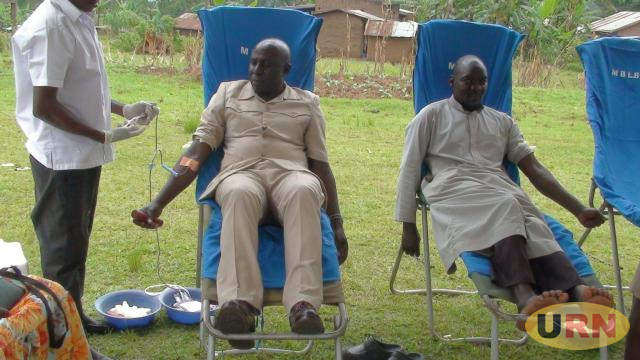
Mushiso was speaking on Tuesday during the launch of 24-hour blood transfusion services at Bulucheke Health Centre IV, a service expected to bring blood transfusion closer to residents and reduce delays in accessing lifesaving care. He said some residents who were willing to donate blood had previously been unable to do so because Bududa Hospital was far from their communities.
Mushiso urged residents to embrace voluntary blood donation and appealed to those who are eligible to donate regularly so that health facilities can maintain adequate blood stocks. He also warned health workers against demanding money from patients before providing blood, urging residents to report anyone involved in the practice. Mushiso condemned the sale of donated blood, saying it is given freely by members of the public with the intention of saving lives.
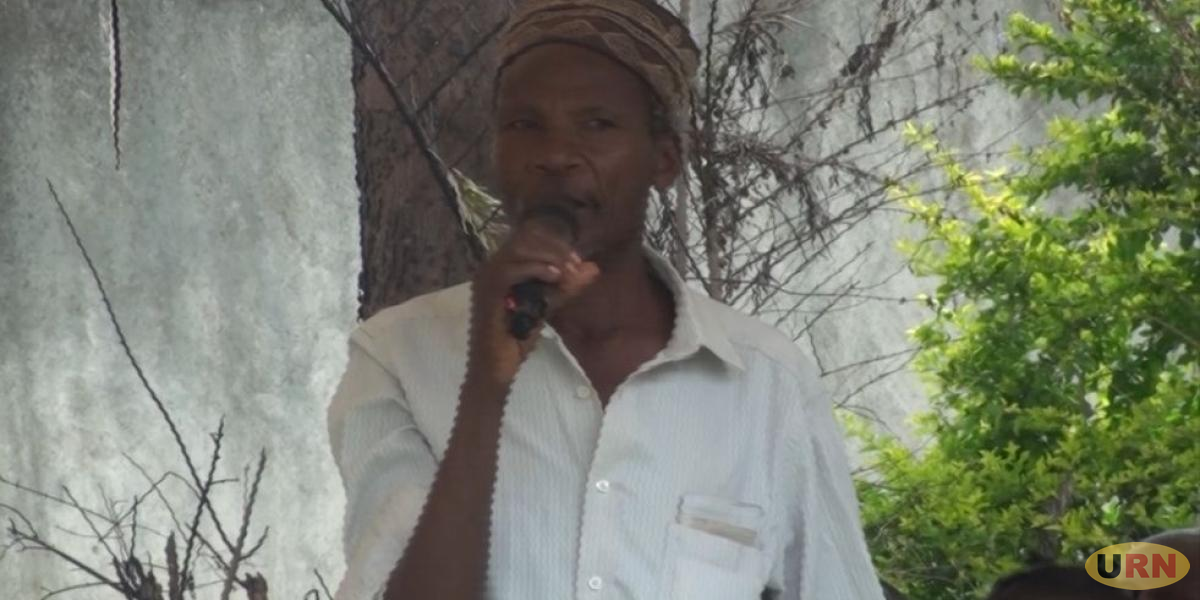
The consequences of blood shortages were brought into sharp focus by the experience of Abdul Weanga, a resident of Shikholo Parish in Bumwalukani Sub-county, who recently required a blood transfusion at Mbale Regional Referral Hospital. Weanga said his condition deteriorated and he needed blood before undergoing an operation. The blood that helped him through the procedure, he said, had been donated by someone he did not know.
The experience motivated him to want to become a blood donor himself, so that another person could benefit from his donation in the same way he had benefited from a stranger’s generosity. However, when Weanga presented himself to donate blood during the launch at Bulucheke, medical personnel stopped him after determining that he was still weak and had not fully recovered from his illness.
Weanga said the experience should encourage healthy residents to donate blood rather than wait until they or their relatives need it. He challenged residents to consider who they would blame if they or a loved one arrived at a health facility in urgent need of blood but found that there was nonavoidable.
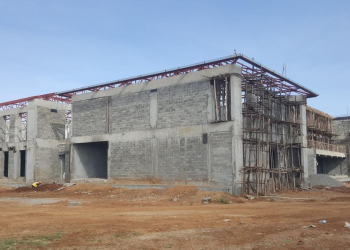
He said his own experience demonstrated that blood donated today could save the life of a stranger, relative or fellow community member tomorrow. Dr. Rashid Simiyu, the in-charge of Bulucheke Health Centre IV, said establishing a transfusion centre at the facility was an important development because it would enable patients to access blood closer to their communities.
He said the service would particularly benefit mothers who lose significant amounts of blood during or after childbirth, as well as patients involved in accidents and those with other medical conditions requiring transfusion. Simiyu urged residents to continue donating blood to ensure the centre maintains adequate supplies. “Now that blood transfusion services have been launched at Bulucheke Health Centre IV, people should continue donating blood so that the same blood can save lives,” Simiyu said.
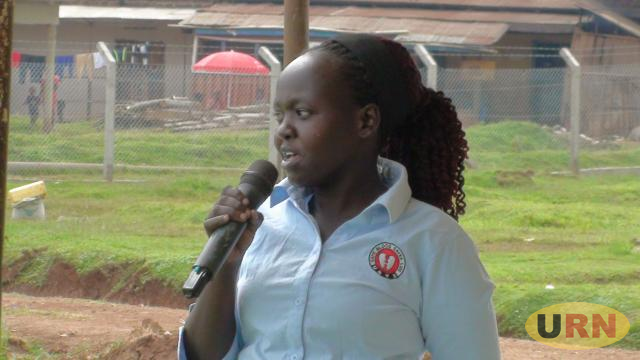
Representing Uganda Blood Transfusion Services, Chebet Nancy said the facility had contacted the Mbale Blood Bank for support towards the launch and commended residents who participated in the blood donation exercise. Chebet stressed that blood is donated voluntarily and must not be sold to patients.
She warned that selling donated blood is a criminal offence and urged residents to report any health worker who demands money before providing blood. Chebet encouraged eligible residents to make blood donation a regular practice, saying one unit of blood can benefit several patients and can potentially save the lives of up to four children, depending on how its components are used.
She said donated blood is screened for infections including HIV, Hepatitis B, Hepatitis C and syphilis before it is transfused. Chebet added that eligible donors can continue donating beyond four times as long as they observe the recommended intervals, with men donating every three months and women every four months. Suzan Mutali, who represented the Bududa Chief Administrative Officer, also appealed to community members to donate blood, particularly boda boda riders, whom she identified as among those who may require transfusion following road crashes.
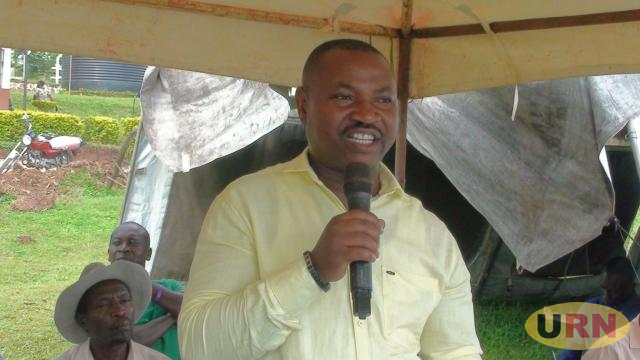
Mutali warned health workers against demanding money from patients for blood, saying those found selling donated blood risk losing their jobs. She said having blood available within the community can make a critical difference during emergencies. Bududa District Chairperson Geoffrey Natubu called on residents to take ownership of blood donation, saying the importance of an adequate blood supply becomes particularly clear when a family has a patient in urgent need of transfusion.
Natubu urged residents to contribute towards maintaining adequate blood stocks at the facility and welcomed the continued development of Bulucheke Health Centre IV. The Bulucheke LC III, Masambu Peter, also welcomed the new service, saying the health centre serves communities beyond the sub-county, including areas within the wider Manafwa Zone comprising 13 sub-counties. However, Masambu said the facility continues to face challenges, including a court case concerning the fencing of the health centre following objections from some neighbouring families.
Assistant Resident District Commissioner Alex Bululu, who was the chief guest at the launch, commended Uganda Blood Transfusion Services for responding to the facility’s request for support. Bululu said bringing blood transfusion services closer to the community would help ensure that more patients receive lifesaving care when they need it. He emphasised the importance of teamwork among government, health workers, local leaders, blood transfusion services and the community in sustaining the service.
Bululu also called on residents to support health workers and local leaders in protecting the health facility’s land from encroachment, urging the community to safeguard public health infrastructure for current and future generations. Dr. Stephen Lutoti, a senior pharmacist, lecturer at Makerere University and secretary of the Pharmaceutical Society of Uganda, described the launch as a major lifesaving milestone for Bududa.
Lutoti said his experience as a health worker had shown him the devastating consequences of blood shortages, particularly among mothers experiencing severe bleeding and children in critical condition. “As a health worker, I have seen mothers bleed, and children die because there was no blood. Blood has no factory. It comes only from a healthy person willing to give,” he said-URN. Give us feedback on this story through our email: kamwokyatimes@gmail.com