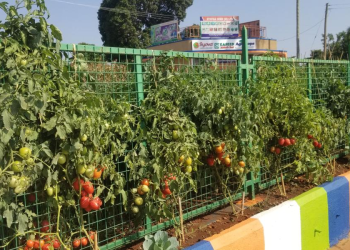
A new study by the Inter-Religious Council of Uganda (IRCU) and the Organization of African Instituted Churches has found that smallholder farmers in Agago District understand the effects of climate change but remain largely underserved by support systems needed to adapt. The study indicates that although farmers are responding to climate challenges through practices such as soil conservation and planting early-maturing crop varieties, their efforts remain fragmented, with major gaps in areas such as water harvesting and livestock adaptation.
Agago District has experienced frequent climate-related challenges, including prolonged dry spells that have caused heat and water stress, reduced crop yields, and threatened food security. Changing rainfall patterns have also made it difficult for farmers to predict planting seasons. James Mukwaya from IRCU, while presenting the findings, said the study examined climate change awareness, institutional support systems, and livelihood patterns among farming communities. The findings show that most households depend on smallholder farming, while only a few rely on livestock keeping or small businesses as alternative sources of income.
The study also revealed low youth participation in agriculture, with older women making up the majority of active smallholder farmers. On climate awareness, the study found that about 90 percent of farmers in Agago understand climate change concepts, including changing rainfall patterns, rising temperatures, flooding, and other environmental hazards. “This suggests that climate change is no longer viewed as a distant issue but as a lived reality affecting local communities,” Mukwaya noted.

However, despite the high awareness levels, Mukwaya said many farmers remain unaware of government and non-government programmes designed to support climate adaptation. He explained that while district officials reported the existence of support programmes, many intended beneficiaries do not know how to access them.
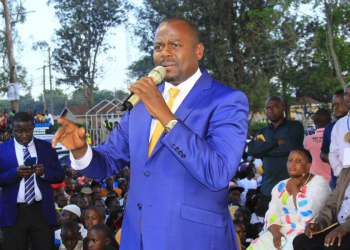
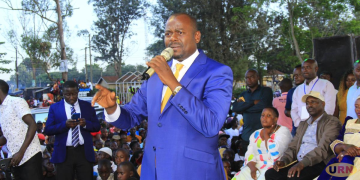
Bishop Andrew Lugoloobi, a board member of IRCU, said the meeting brought together government agencies, civil society organisations, and development partners to strengthen collaboration in addressing climate challenges affecting livelihoods and food production. “Climate change has affected productivity, food reserves, food production, and food availability in different communities within Uganda. We cannot sit back and watch things get worse,” Bishop Lugoloobi said.He said religious leaders have a key role in mobilising communities because of their influence at the grassroots level, adding that faith-based institutions can provide platforms for climate awareness and environmental protection campaigns.
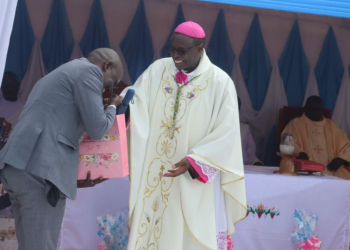
Bishop Lugoloobi said one of the major challenges remains the communication gap between policymakers and communities, with many people still lacking information about climate change and adaptation measures. “We have learned that the issue at hand is a communication gap. People are not aware of what is happening, and others only think about themselves without considering the wider community or future generations,” he said.He added that IRCU is working to support the implementation of climate policies and strategies while encouraging religious leaders to monitor and promote climate action at the community level. Sheikh Muhammad Waiswa, the Deputy Mufti of Uganda, said religious leaders have a responsibility to promote environmental protection as part of caring for God’s creation.
He noted that many faith-based institutions, including mosques and churches, are already involved in conservation efforts and that the study findings will help leaders and the government improve climate change adaptation interventions-URN. Give us feedback on this story through our email: kamwokyatimes@gmail.com