




By Odrek Rwabwogo
As we conclude our working visit to Abuja, one truth stands out: Africa’s greatest trade problem is not that we produce too little. It is that our borders, regulations, transport systems and institutions prevent what we produce from reaching one another. Uganda produces coffee, tea, milk, medicines, fish, fruits and other commodities that Nigeria needs. Nigeria possesses capital, technology, industrial experience, petroleum products and a vast consumer market that can support Uganda’s growth. Yet our businesses often find it easier to trade with countries thousands of kilometres away than with each other.
That contradiction was at the heart of our mission to Nigeria.
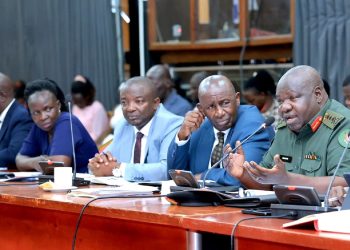
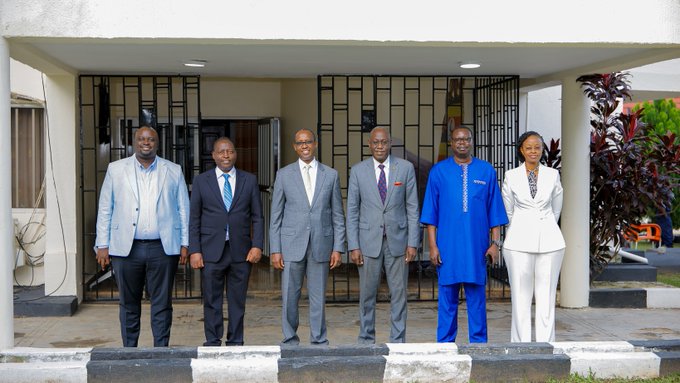
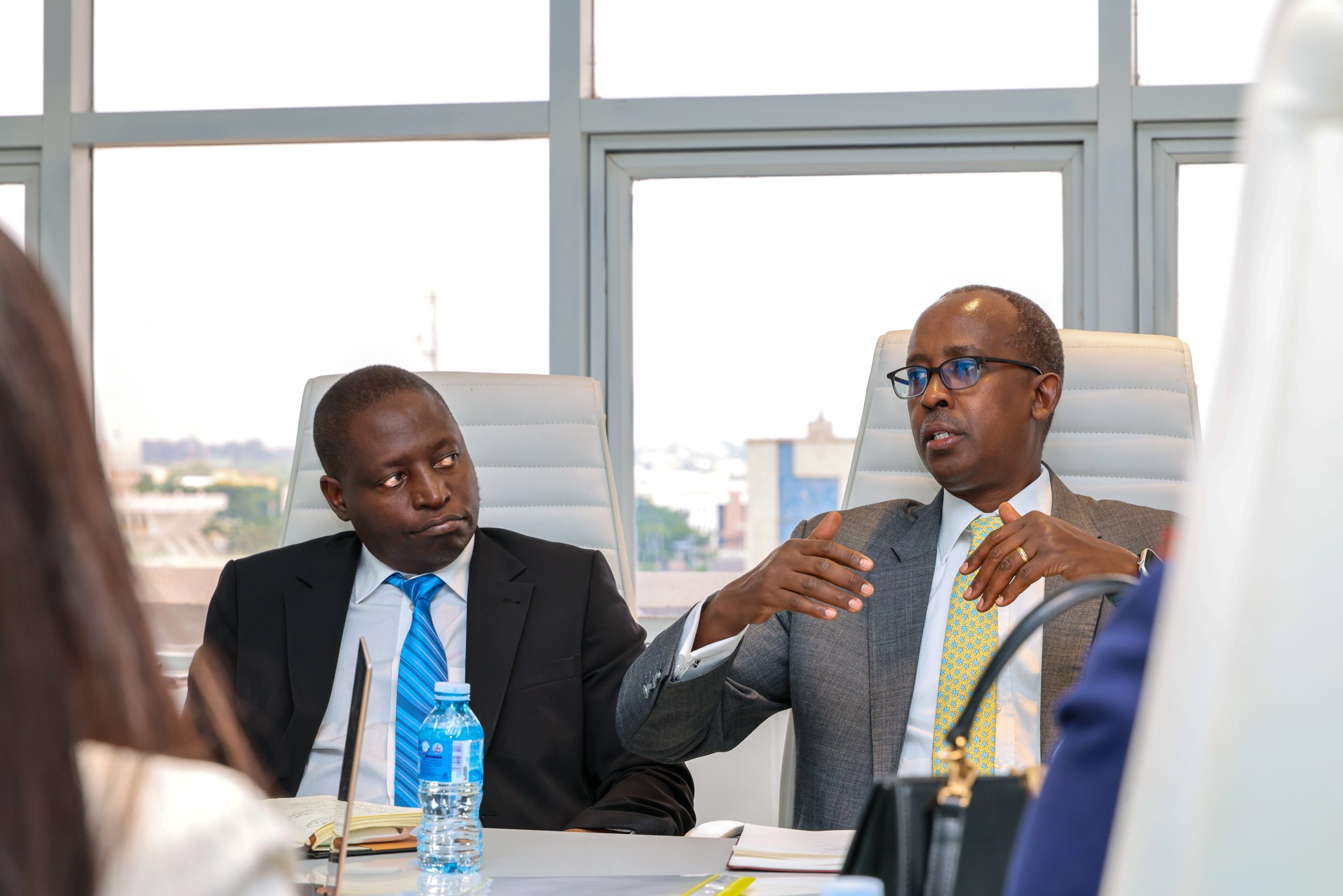
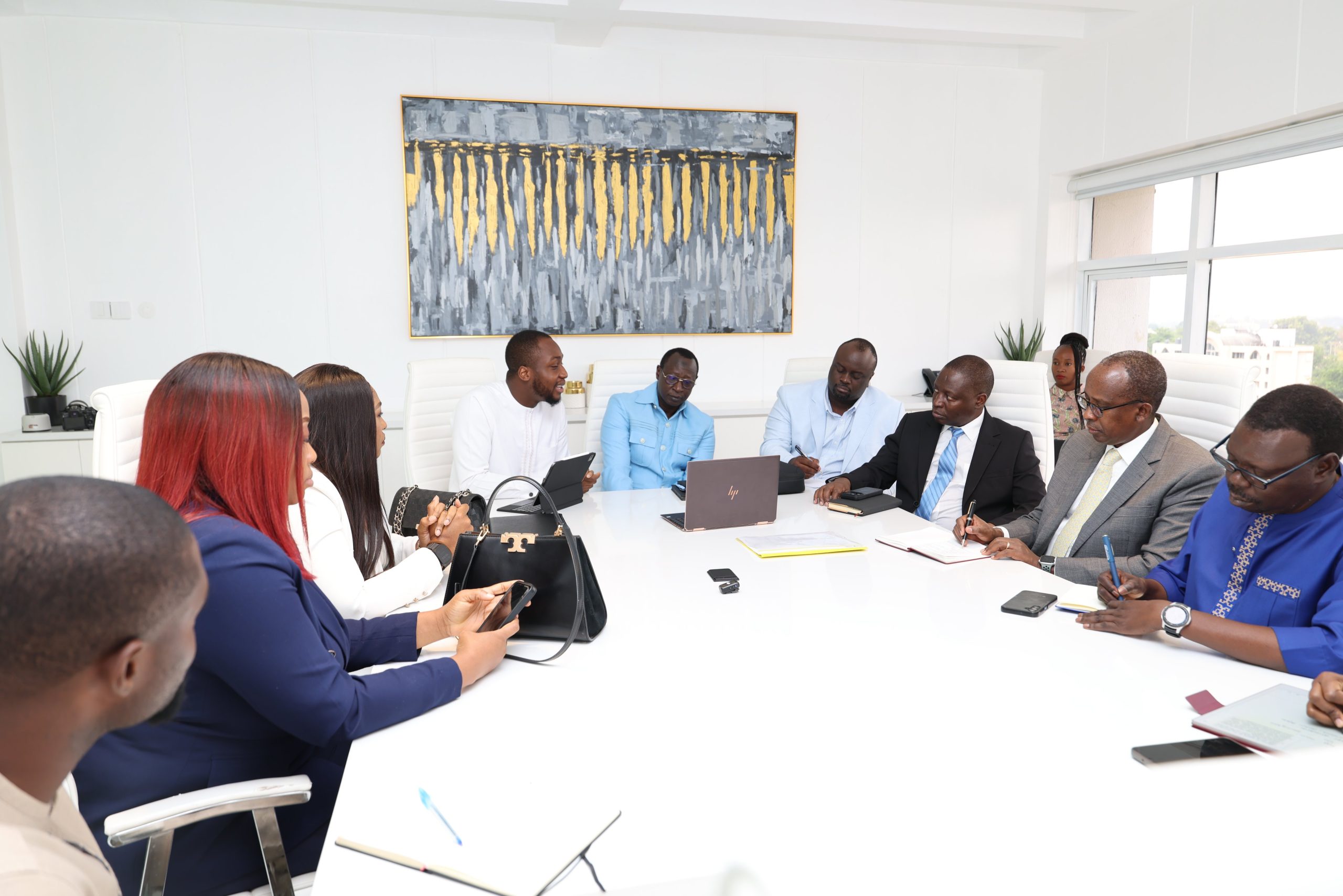
I was joined by Hon. David Bahati, Minister of State for Trade, Industry and Cooperatives responsible for Industry; Amb. Phillip Odida, Uganda’s Acting Head of Mission in Nigeria; Dr Sam Omara, Minister Counsellor for Economic and Commercial Diplomacy; Matthew Bagonza, Head of the PACEID Secretariat; Brenda Katarikawe Opus, responsible for Market Development at PACEID and other technical and diplomatic officials.
Our objective was straightforward: to move the Uganda-Nigeria relationship from expressions of friendship to the practical movement of people, goods, investment, technology and skills.
From Presidential Commitment to a Practical Work Programme
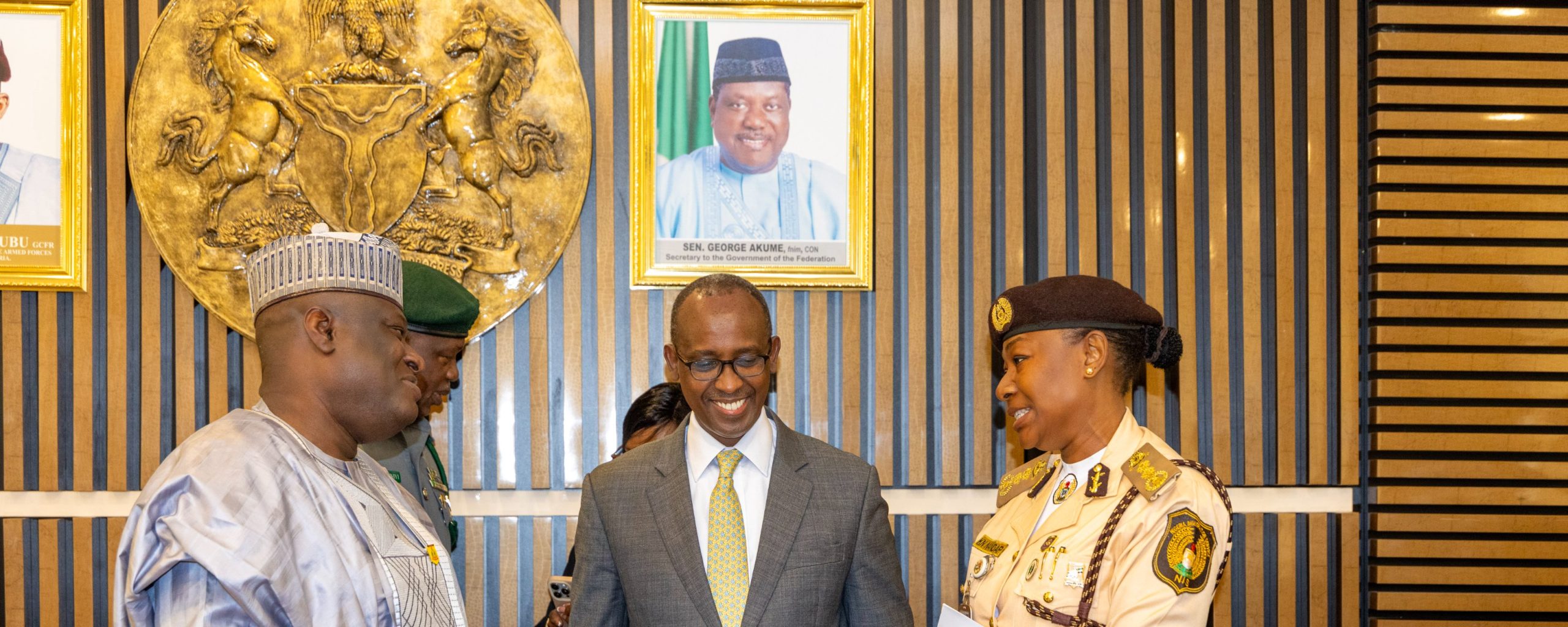
The visit followed discussions between H.E. President Yoweri Kaguta Museveni and Nigeria’s Secretary to the Government of the Federation, Senator George Akume, who represented H.E. President Bola Ahmed Tinubu at Uganda’s presidential inauguration in May 2026.
Those discussions built upon Uganda’s earlier request, formally communicated in November 2024, for the two countries to strengthen bilateral relations and operationalise trade under the African Continental Free Trade Area.
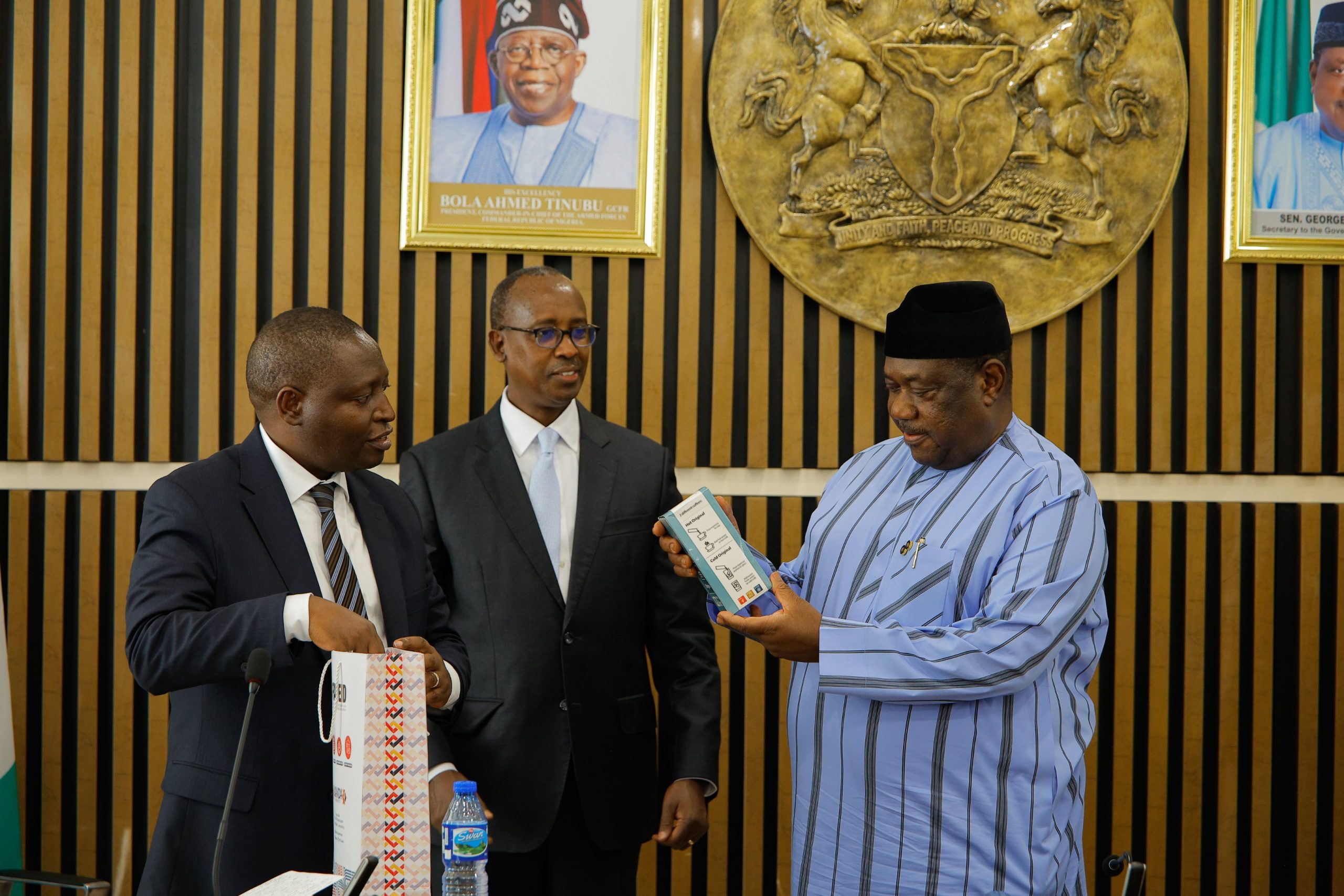
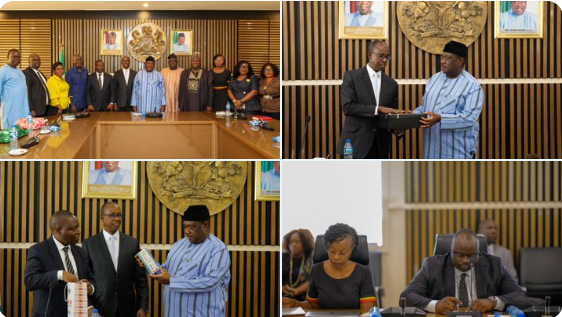
Our first major engagement was held on 21 July 2026 at the Office of the Secretary to the Government of the Federation in Abuja. Senator Akume received our delegation together with senior Nigerian government officials.
The discussions covered the proposed Uganda-Nigeria Joint Permanent Commission, the implementation of AfCFTA, visa reciprocity, investment protection, avoidance of double taxation, stronger transport connections and the removal of barriers affecting trade between our countries.
We also raised the need to renew expired agreements in education and defence while developing additional instruments covering investment, taxation, agriculture, livestock, immigration and wider trade cooperation.
Nigeria expressed political support for stronger relations and established an inter-ministerial coordination mechanism to help process the issues raised during the mission.
The significance of this meeting was not simply that Uganda and Nigeria agreed that more trade was desirable. We began defining the institutions, documents and decisions required to make that trade possible.
Making It Easier for Africans to Move Across Africa
On the second day, the discussions moved from political direction to specific mechanisms.
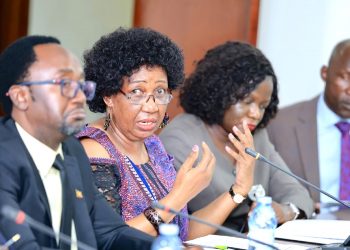
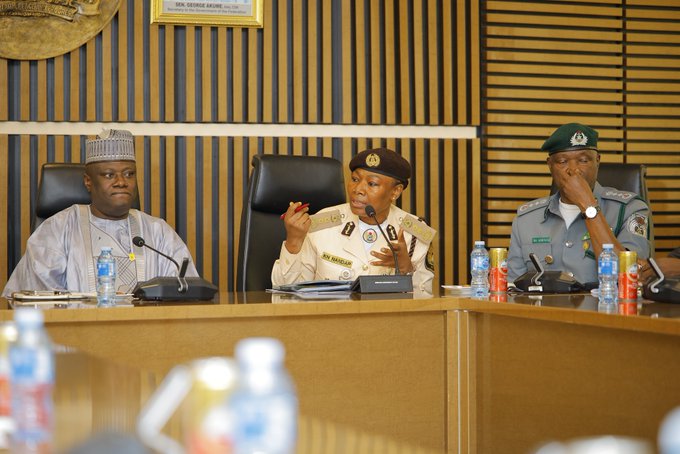
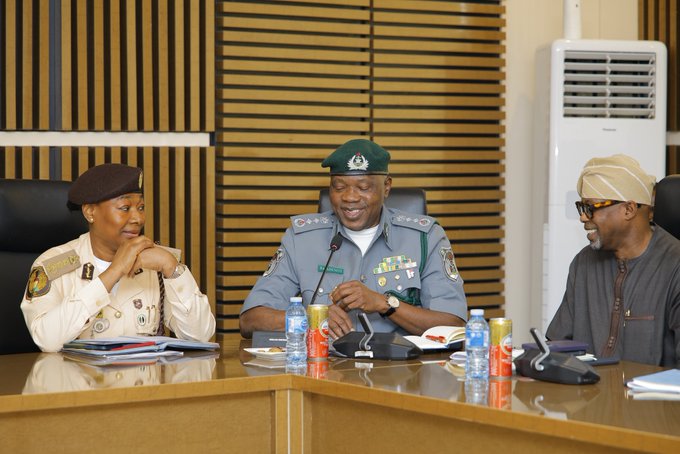
The follow-up meeting was hosted by Dr Abubakar Ibrahim Kana, Permanent Secretary at the Office of the Secretary to the Government of the Federation. It brought together Mrs Kemi Nanna Nandap, Comptroller-General of the Nigeria Immigration Service; Mr Bashir Adewale Adeniyi, Comptroller-General of the Nigeria Customs Service; officials from Foreign Affairs, Trade and other Nigerian institutions.
Immigration was treated as an economic issue, not merely a border-control matter.
A trader who cannot obtain a predictable visa cannot inspect goods, negotiate a contract, establish a company or supervise an investment. A student who faces uncertain entry procedures cannot build the professional relationships that later support commerce. An investor whose staff cannot move efficiently will eventually take capital elsewhere.
Nigeria accepted reciprocity as the guiding principle for visa fees and indicated that internal work had begun on aligning the treatment of Ugandan travellers. Nigeria also proposed reciprocal visa-free entry for holders of diplomatic and official passports. The two countries will now consider the proposal through their appropriate diplomatic and immigration channels.
For business travellers, investors and officials of established companies, Nigeria expressed willingness to examine longer multiple-entry visas and special arrangements for frequent travel. Its immigration authorities also undertook to share information about five-year and ten-year investor categories and sector-specific options.
Nigeria’s e-visa was presented as the principal rapid-entry mechanism, with processing intended within 48 hours where a complete and eligible application has been submitted.
These are proposals and pathways that still require formal action. But they offer a practical foundation for making mobility serve trade, investment, education and regional integration.
Turning AfCFTA from a Treaty into Goods Crossing Borders
AfCFTA will not be judged by how many speeches Africa delivers about integration. It will be judged by how many African products successfully cross African borders.
Uganda presented several products with immediate potential in Nigeria:
-
Ready-to-drink iced espresso coffee
-
Powdered milk
-
Black, green and herbal tea
-
Fresh and dried fruits
-
Tilapia
-
Beans
-
Ugandan-manufactured pharmaceuticals
The discussions revealed that market demand alone is insufficient. Every product must pass through a chain of classification, registration, certification, Rules of Origin, customs valuation, import permits, logistics and distribution.
Our ready-to-drink liquid espresso sachet provides a good example. It is coffee, but its innovative liquid format creates uncertainty about the most appropriate customs classification and duty treatment.
Nigeria Customs advised that its essential character would be considered coffee. Where uncertainty remains, Ugandan exporters can use the Nigeria Customs Service’s Advance Ruling mechanism to obtain a binding decision on classification and applicable duties before shipment.
This is a significant practical outcome. Exporters should not load goods, incur freight costs and arrive at a border before discovering what tariff applies. We also discussed Nigeria’s Authorized Economic Operator programme, through which compliant companies can receive facilitated customs treatment. A future cooperation or mutual-recognition arrangement between Nigeria Customs and the Uganda Revenue Authority could create faster and more predictable clearance for trusted exporters.
NAFDAC will remain central to the registration of processed foods, beverages and pharmaceuticals, while the Standards Organisation of Nigeria will handle product standards and technical compliance. AfCFTA preferences will depend on whether products satisfy the applicable Rules of Origin. The immediate responsibility for Ugandan exporters is therefore to prepare complete product dossiers containing ingredients, composition, packaging, production information, certificates, origin documentation and supply capacity.
Pharmaceuticals: Africa Must Buy What Africa Can Produce
Uganda already manufactures high-quality antiretrovirals, antimalarials and generic medicines. These are not theoretical industrial ambitions. They are products that save lives. During the engagements, we called for practical implementation of the African pharmaceutical manufacturing agenda and the spirit of the Abuja Declaration.
African countries should not continuously import medicines from outside the continent when qualified African manufacturers can meet part of the demand. This requires faster regulatory processes, reliable batch certification, cooperation among national regulators and procurement policies that recognise African manufacturing capacity.
Nigeria advised that this workstream should involve its health institutions, pharmaceutical industry, NAFDAC, trade authorities and relevant procurement bodies.
It must now be treated as a dedicated programme rather than another item buried in a broad trade agenda.
Testing Trade While Building Manufacturing Capacity. Our engagement with AR Resources Limited examined a proposed cement supply transaction and a longer-term industrial partnership.
AR Resources participated as an independent Nigerian trading company and supplier or off taker of Dangote products. It did not participate as a representative of Dangote Group or Dangote Cement. Its original commercial offer proposed a trial shipment of 5,000 metric tonnes of Portland cement from Apapa Port in Nigeria to Mombasa at an indicated price of US$430 per metric tonne, giving a total proposed value of US$2.15 million.
During the meeting, however, a potentially more practical route involving sourcing through Tanzania and shipment from Mtwara was introduced. This materially changed the proposal. A revised offer will therefore be required, with confirmed origin, product specifications, landed cost, customs treatment, available volumes, payment arrangements and delivery routes.
No cement purchase order, supply contract, government off-take commitment or financing approval was concluded. Our position was that any short-term cement trade should become the beginning of an industrial relationship, not a permanent dependence on imports.
We proposed a two-track approach. The first track would evaluate a competitively priced trial shipment through established private off taker. The second would require a credible 10-to-15-year roadmap from trade to partnerships with Ugandan producers, local manufacturing, employment and regional distribution.
The meeting also expanded into reciprocal trade. AR Resources agreed to investigate Nigerian demand for Ugandan coffee, powdered milk, tea, dried fruits, cocoa and simsim. Uganda will assess opportunities for Nigerian products in Uganda and the wider East African market. Trade becomes more affordable when containers do not travel full in one direction and return empty.
From Trading Finished Goods to Building African Factories
Our meeting with Dr Abbas A. Waziri and Resident Group examined a separate and much larger industrial proposal. Resident Group has formally expressed interest in developing an integrated cement plant in Uganda with a proposed capacity of approximately 10 million metric tonnes per year, alongside a urea fertiliser complex with a proposed annual capacity of one million metric tonnes.
The projects have been presented as a potential investment of approximately US$3 billion.
This is a proposal under evaluation. It is not yet an approved, financed or licensed investment.
The next stage must be based on evidence. Uganda and Resident Group must verify limestone reserves, assess potential sites, clarify mineral and land rights, determine electricity and transport requirements and examine environmental obligations.
The fertiliser proposal has its own technical requirements. Urea production depends on reliable natural gas, water, infrastructure, technology and a viable regional market. It must therefore be evaluated separately from the cement proposal.
Resident Group also proposed possible participation by the state and host communities. Any such structure would have to comply with Uganda’s Constitution, mining and land laws, investment procedures, environmental requirements and value-for-money principles.
The first decisive deliverable is not another memorandum. It is verified data.
A separate expression of interest to procure 2,000 one-year-old female Ankole cattle also remains under consideration. That opportunity will require confirmation of supply, veterinary and sanitary certification, quarantine arrangements, biosecurity controls, transport, pricing and payment terms before commercial movement can take place.
Trade Needs a Transport Spine
Even a fully registered and competitively priced product will fail if the cost of moving it destroys its market advantage. The Nigerian Shippers’ Council expressed readiness to support discussions on ports, shipping and trade logistics. Our work programme now includes air cargo, maritime transport, warehousing, customs clearance and inland distribution.
Nigeria’s growing investment in indigenous maritime capacity, including the Nigerian-owned MV Ocean Dragon container vessel serving domestic and regional African routes, illustrates the opportunity to build African-controlled logistics networks. Uganda and Nigeria must examine how sea, air, road and rail connections can support two-way cargo movement. Direct air connectivity should also be reconsidered when passenger and cargo volumes can sustain a commercially viable service. Without transport, AfCFTA is an agreement. With transport, it becomes a market.
What Must Happen Next
The doors have been opened, but execution must now walk through them.
Uganda must urgently submit one consolidated diplomatic package covering:
-
Confirmation of the proposed September 2026 Joint Permanent Commission in Kampala
-
Expired, pending and proposed bilateral agreements
-
Visa reciprocity and mobility proposals
-
Product-specific regulatory questions
-
Customs classification and AfCFTA concerns
-
Investment protection and avoidance of double taxation
-
Requests for designated institutional focal persons
Nigeria will then circulate the submission among the responsible ministries, departments and agencies, undertake the necessary legal and inter-ministerial reviews and assign accountable technical contacts.
PACEID and Ugandan exporters must prepare complete product dossiers, apply for Advance Rulings where classification is uncertain and begin structured engagement with NAFDAC, the Standards Organisation of Nigeria, Customs, AfCFTA institutions and credible buyers.
The private-sector proposals in cement, fertiliser, livestock and logistics must undergo commercial, technical, legal and financial due diligence before commitments are made. A single Uganda-Nigeria action tracker should record each issue, responsible institution, deadline and expected result. Without disciplined tracking, good meetings will disappear into administrative memory.
The Real Measure of Diplomacy
The value of diplomacy is not measured by the number of meetings held, photographs taken or communiqués issued. It is measured by how many barriers fall. It is measured by how many products obtain regulatory clearance, how many containers cross borders, how many companies secure buyers, how many factories rise and how many young Africans find productive work.
Africa is not poor. Its wealth is trapped behind borders that Africans themselves have the power to reform.
Uganda and Nigeria possess the markets, productive capacity, capital, skills and enterprise required to demonstrate what meaningful intra-African trade can achieve.
We have completed the meetings. We have identified the mechanisms. We have defined the responsibilities.
Now comes the part that will determine whether this mission mattered: execution.
The doors have been opened. Africa must now walk through them. Give us feedback on this story through our email: kamwokyatimes@gmail.com