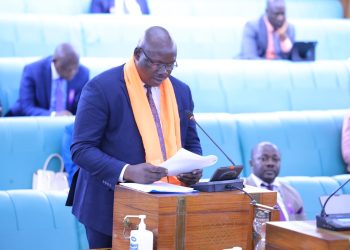


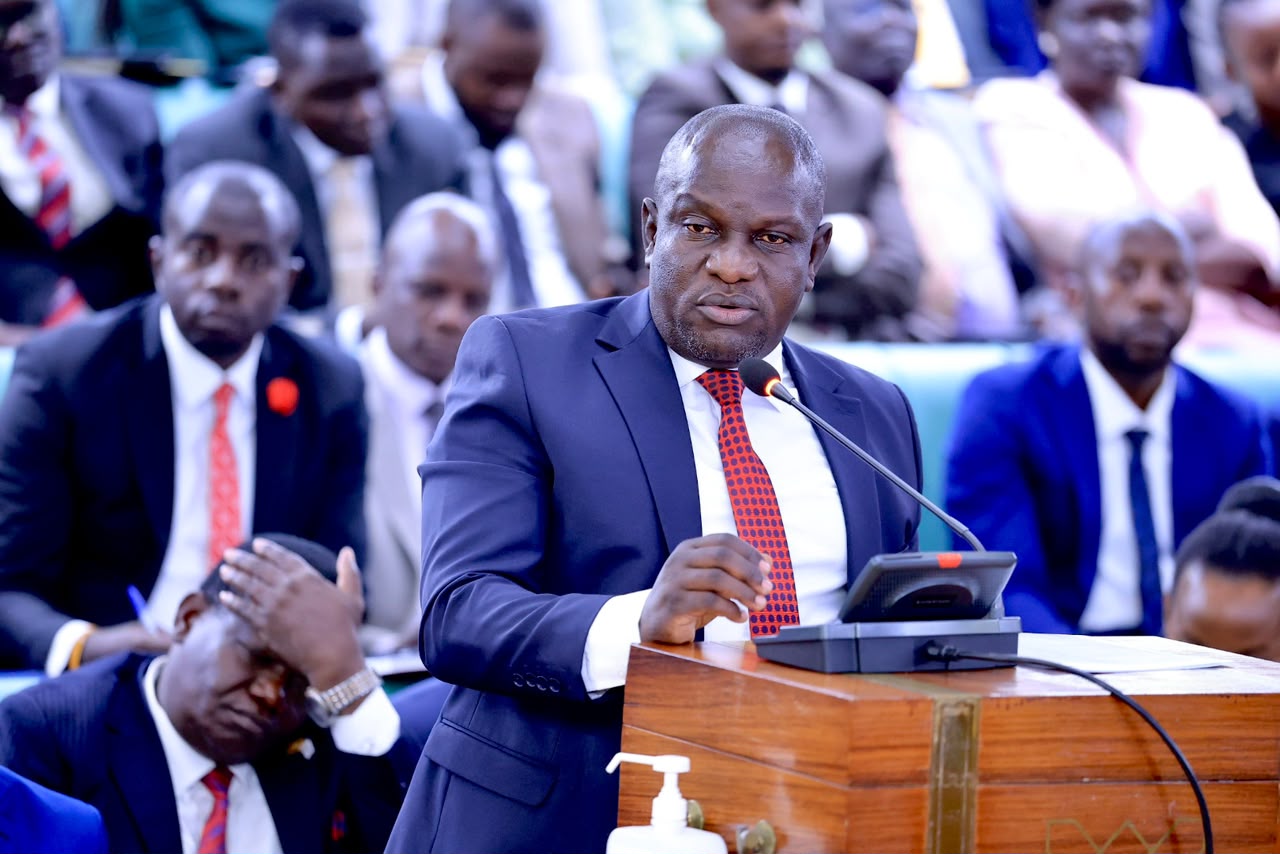
 Paul Mwiru, MP Jinja South Division East
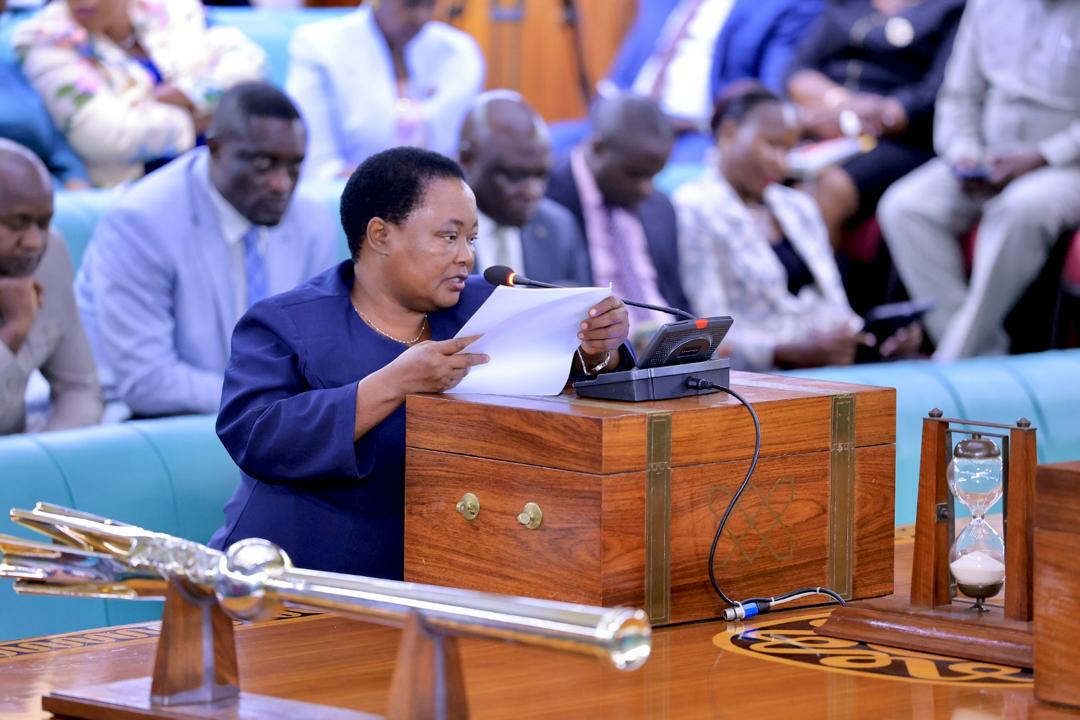
Prime Minister Robinah Nabbanja has told Parliament that Uganda’s persistent transformer failures, which have disrupted manufacturers and businesses especially in industrial centres such as Jinja, will be resolved within three months.
She said 1,000 transformers are already on the way as part of a broader strategic intervention by the Uganda Electricity Distribution Company Limited (UEDCL).

“The problem of transformers will be solved in the span of three months from now,” Nabbanja stated, responding to concerns raised by Paul Mwiru, the Member of Parliament for Jinja South Division East.
Mwiru highlighted how failing transformers were interrupting production for manufacturers in Jinja, undermining business operations and government revenue. He called for a clear, proactive infrastructure replacement plan focused on production areas rather than reactive responses after equipment fails.
Nabbanja, who also serves as Kakumiro District Woman Representative and Leader of Government Business, said the government has a strategic plan for UEDCL to repair power lines and install transformers nationwide.
She noted that some companies are manufacturing transformers locally, aligning with efforts to strengthen domestic capacity while addressing immediate shortfalls. The assurance comes against a backdrop of well-documented pressures on Uganda’s electricity distribution network.
UEDCL assumed distribution responsibilities after the end of the Umeme concession, inheriting an ageing system facing rapid growth in connections, industrial demand, and overloaded equipment.
Parliamentary and sector reports have pointed to a significant share of transformers exceeding 30 years of service, inadequate protection on many units, and rising maximum demand that has strained capacity.
State Minister for Energy Sidronius Okaasai has separately confirmed that UEDCL is importing up to 1,000 transformers after local suppliers under the Buy Uganda Build Uganda (BUBU) policy struggled to meet surging demand.
The original preference for domestic production left gaps, prompting a lift on importation restrictions and global advertising for supplies. Officials have cited funds committed to local manufacturers that have not translated into timely deliveries sufficient for the scale of need.
UEDCL has already replaced more than 1,000 distribution transformers in recent reporting periods, reduced average replacement times, and pursued network upgrades, substation expansions, and preventive maintenance.
Yet availability of new units has lagged behind the pace of new connections and failures linked to overload and ageing assets. Jinja, a key manufacturing and industrial hub, has been particularly sensitive to these interruptions because of its concentration of factories whose operations and contribution to tax revenue depend on stable power.
Uganda’s electricity framework is governed by the Electricity Act and regulated by the Electricity Regulatory Authority (ERA), with distribution licensed to UEDCL. National Development Plans and related policies emphasise expanded access, reliability for industrialisation, and agro-industrial growth.
The current interventions sit within this policy environment: balancing support for local manufacturing under BUBU with the practical necessity of securing equipment to protect existing customers, attract investment, and sustain revenue streams.
Mwiru’s call for a planned replacement approach rather than waiting for failures reflects wider civil society and business concerns about the economic cost of outages. Reliable power is essential for manufacturers, small enterprises, and households.
Nabbanja’s timeline and the arrival of the 1,000 transformers represent the government’s stated short-term response, while longer-term plans include network reinforcement, capacity upgrades, and continued efforts to grow local transformer production.
The coming three months will test the speed of importation, installation, and coordination between UEDCL, the Ministry of Energy and Mineral Development, and local partners. Success would ease pressure on industrial centres like Jinja and demonstrate progress toward more resilient distribution infrastructure.
Persistent shortfalls would renew questions about procurement capacity, local manufacturing readiness, and the pace of system modernisation.
Parliament continues to exercise oversight on these matters, consistent with its constitutional role in scrutinising government performance on service delivery and economic infrastructure-Parliament Watch Ug. Give us feedback on this story through our email: kamwokyatimes@gmail.com