


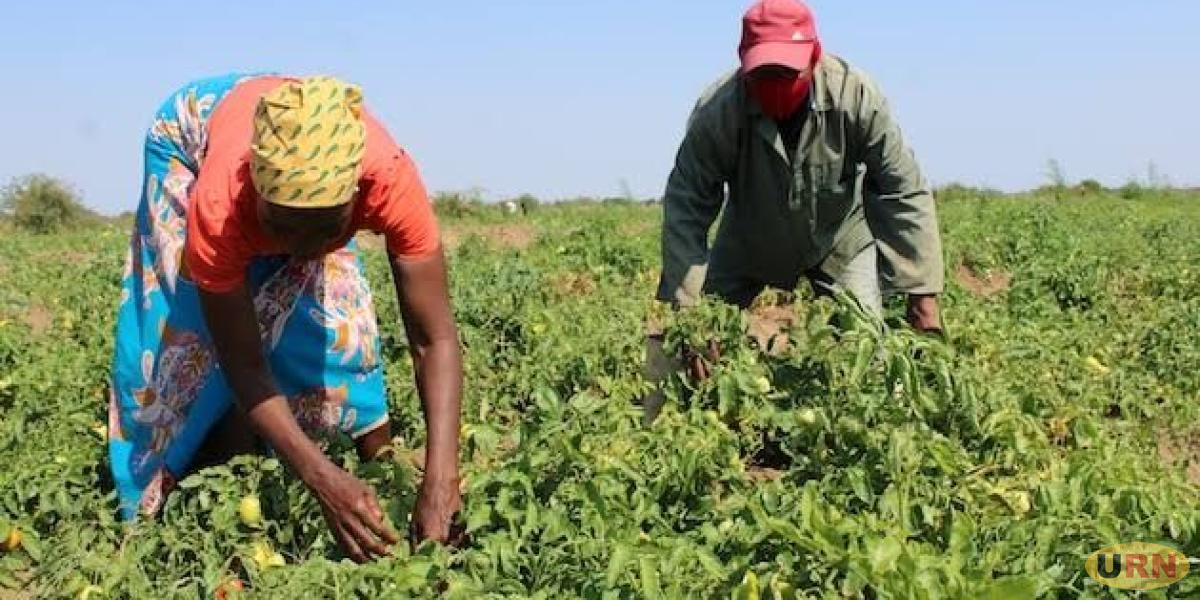
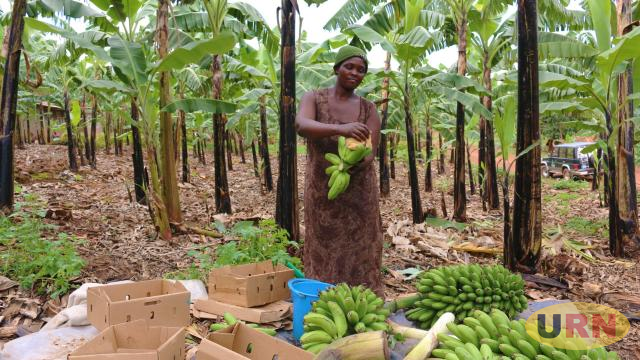
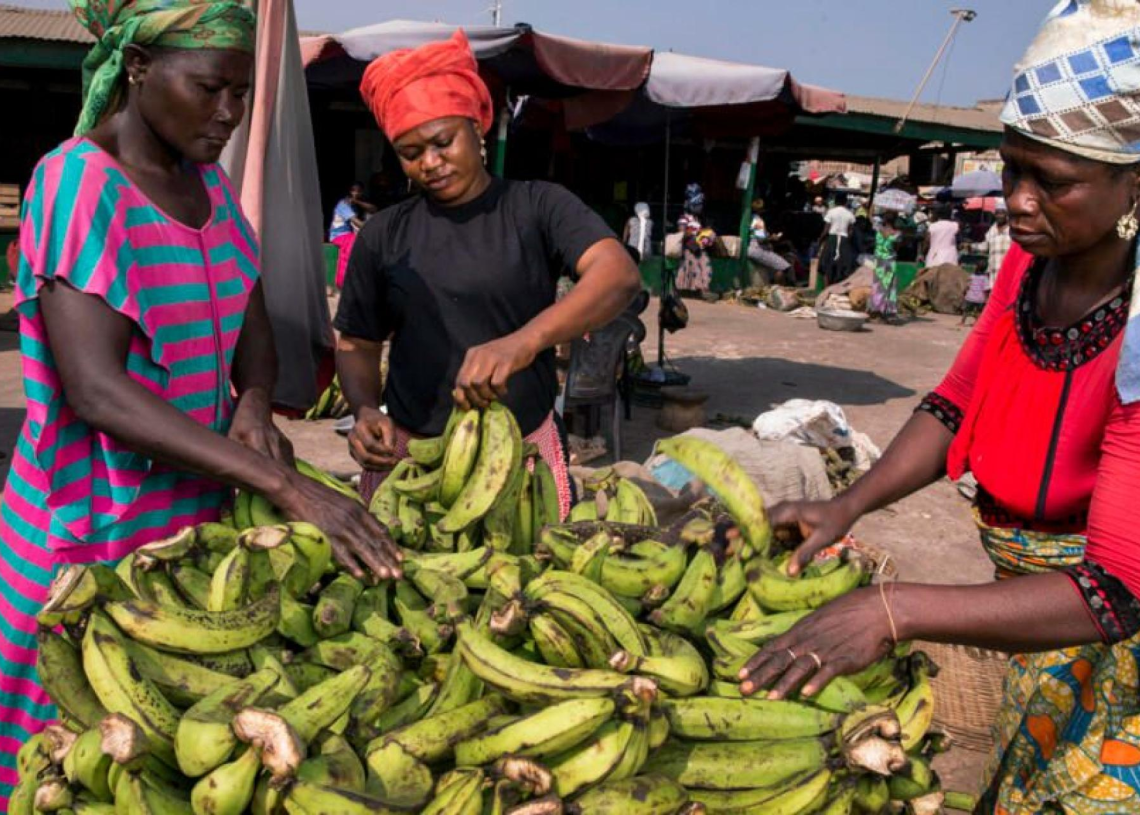
Nearly 1.4 billion people working across global food systems face low pay, unsafe working conditions, wage theft, and limited labour protections, according to a new report by the International Panel of Experts on Sustainable Food Systems (IPES-Food).
The report, titled Food Work: The Workers Behind Our Food and the Exploitation, says food systems employ about two out of every five workers worldwide, making them the world’s largest source of employment.
However, the sector also exploits more workers than any other, according to the researchers. It estimates that 30 per cent of food system workers earn below a living wage.

Published on October 5, 2026, the report examines working conditions throughout the food chain, from farms, fishing vessels and processing factories to supermarkets, restaurants and food delivery platforms.
It documents widespread poverty wages, informal employment, forced and child labour, discrimination, dangerous working conditions and the exclusion of workers from basic labour protections.
The report argues that exploitation is not simply the result of individual employers breaking the law. Rather, it is rooted in how food systems operate, with businesses under pressure to keep labour costs low while workers have limited power to demand better pay and conditions.
Raj Patel, an IPES-Food expert, says powerful food corporations benefit from keeping labour cheap and workers with little bargaining power.
“The people who put food on our plates are some of the most exploited workers in the world,” Patel says.
He adds that farmworkers, cooks and delivery riders face low pay, unsafe conditions, abuse and insecure employment. Still, he says workers have won better pay and stronger rights when they organise collectively.
The report says exploitation cuts across countries and occupations, although the specific conditions differ.
Workers with the least bargaining power and weakest legal protection are often the most exposed, while fear of losing employment discourages some from reporting abuse.
The report identifies gaps in labour laws and weak enforcement as major reasons food workers remain vulnerable.
Some workers are excluded from basic protections covering minimum wages, workplace safety and the right to organise.
In other cases, laws exist but labour inspections are inadequate, while informal employment makes it difficult to ensure compliance.
Olivier De Schutter, co-chair of IPES-Food, says governments have allowed large numbers of food workers to fall through gaps in labour law.
“Food workers are routinely carved out of basic standards on wages, safety, and collective bargaining,” De Schutter says.
He argues that governments need to close these gaps, invest in enforcement and ensure that all food workers can access decent working conditions.
The findings raise questions about the distribution of income and power within food supply chains.
While consumers depend on affordable food, the report argues that affordability should not be achieved by leaving workers underpaid or exposed to dangerous conditions.
It calls for stronger trade unions, wider collective bargaining and enforceable labour standards across food production and distribution.
The report warns that climate change is making food work more dangerous, particularly for people employed in agriculture.
It identifies extreme heat, wildfires, floods and exposure to toxic substances, including pesticides, as threats to workers’ health and safety.
Agriculture is among the world’s most dangerous sectors. The report says it accounts for about one-third of occupational deaths worldwide, with risks arising from hazardous working conditions, long shifts without adequate breaks and exposure to harmful chemicals.
Workers facing extreme heat may have little access to shade, drinking water or rest breaks. The report argues that these basic protections are essential as rising temperatures increase the risks associated with outdoor work.
Mamadou Goïta, an IPES-Food expert and farmer, says climate change is increasingly becoming a workers’ rights issue.
“Farmworkers already face poverty wages, toxic pesticides, and gruelling conditions,” Goïta says.
He warns that climate change is making their work even more dangerous while governments fail to guarantee basic protections such as shade, rest and drinking water.
The report therefore places labour conditions alongside environmental sustainability in debates about food systems. It argues that policies intended to make food production more sustainable must also protect the people doing the work.
According to the report, migrant workers face particular risks. It notes that migrant workers are among those most exposed to exploitation across food systems.
They are widely employed in agriculture, food processing, delivery services and hospitality, but restrictive immigration policies and insecure employment arrangements can leave them vulnerable to abuse.
Workers whose legal status or work permits depend on an employer may fear losing their jobs or facing deportation if they report mistreatment.
Errol Schweizer, an IPES-Food expert, says migrant workers are indispensable to food systems but face high levels of exploitation, workplace injury and death.
The report argues that government policies often devote more attention to controlling migration than to enforcing labour standards.
This, it says, leaves workers with limited options when employers abuse their position.
It calls for equal labour rights and social protections for migrant workers, regardless of immigration status, alongside reforms to recruitment and employment arrangements that allow employers to exercise excessive control over workers.
The report says women, racialised groups, migrants and other marginalised workers are disproportionately concentrated in low-paid, dangerous and poorly protected jobs.
Women’s contributions to food systems also extend beyond paid employment. Cooking, feeding households and providing community care are essential to food security, yet much of this work remains unpaid or undervalued.
The report argues that discrimination based on gender, race, caste, class and migration status can reinforce one another, leaving some workers with fewer opportunities to secure better pay and safer employment.
It calls for governments and employers to recognise the economic and social value of this work and ensure that workers receive fair compensation and protection.
The report identifies corporate concentration and new technologies as additional sources of pressure on workers.
Large companies can suppress wages, outsource jobs and transfer risks to subcontractors, while prioritising returns to shareholders. Workers at the bottom of supply chains may have little influence over the prices paid for their labour or the conditions under which they work.
Digital technologies are also changing how work is organised. The report highlights algorithmic management, digital surveillance and app-based employment as practices that can intensify workloads, increase pressure to meet productivity targets and weaken collective bargaining.
Food delivery workers, for example, may be treated as independent contractors while bearing the costs and risks of their work without access to the protections available to conventional employees.
Automation presents further challenges. The report cites evidence from meat-processing industries in the United States and Brazil, where workplace injuries and illnesses are reported at rates three to ten times the national average.
It warns that technological change can increase workplace hazards or reduce workers’ bargaining power when introduced without adequate safeguards and oversight.
The report calls for greater accountability throughout supply chains, measures to address excessive corporate concentration and democratic oversight of technologies that affect working conditions.
Five priorities for change
Despite the scale of the problems, IPES-Food argues that exploitation is not inevitable. It says food workers have repeatedly secured better pay, safer workplaces and stronger legal protections through collective action and policy reform. The report proposes five priorities for improving working conditions across food systems.
The first is to strengthen workers’ collective power by supporting trade unions, expanding collective bargaining and building alliances among labour movements and other organisations.
The second is to guarantee decent work through comprehensive labour standards, workplace safety requirements, effective inspections and the removal of legal exemptions that leave food and agricultural workers unprotected.
The third is to guarantee equal rights for migrant workers, including access to labour protections and social security regardless of immigration status.
The fourth is to rein in corporate power by addressing market concentration and holding companies accountable for labour abuses throughout their supply chains.
The fifth is to properly value food work, including recognising and compensating essential skills and care work that are often overlooked.
The report argues that improving workers’ conditions does not necessarily require higher food prices. It points to examples of collective organisation and policy reform that have helped workers secure better pay and stronger protections-URN. Give us feedback on this story through our email: kamwokyatimes@gmail.com