Rising prices of essential food commodities are putting increasing pressure on household budgets, forcing consumers to reduce the quantities and types of food they buy as they struggle to cope with the rising cost of living. At Kalerwe Market in Kampala, traders say prices of commonly consumed foods, including beans, groundnuts, groundnut paste, maize flour and wheat flour, have increased in recent months.
They attribute the increases partly to prolonged dry weather, which they say has affected agricultural production and reduced supplies reaching the market. Julius Sebyayi, a trader at Kalerwe Market, says prolonged sunshine has affected food production, resulting in shortages and higher prices.
He says a kilogram of beans, which previously sold at between 4,000 and 4,500 shillings, now costs between 5,500 and 6,000 shillings. The price of a kilogram of groundnuts has risen from between 6,500 and 8,000 shillings, while maize flour, commonly known as posho, has increased from about 2,000 to 3,000 shillings per kilogram.

Sebyayi says the price increases have affected consumer demand, with customers buying smaller quantities than they previously did. He also attributes the rising prices to increased fuel and transportation costs. According to Sebyayi, transporting food from areas such as Kabale to Kampala, which previously cost suppliers about 20,000 shillings, now costs about 40,000 shillings.
He says traders have been forced to pass the additional transportation costs on to consumers through higher commodity prices. Sebyayi does not expect food prices to fall soon, saying they could continue rising if the current conditions persist. He says the increases have also affected wheat flour, with a kilogram now selling at about 7,500 shillings compared to 6,500 shillings previously.
A box of sachet cooking oil has also increased from about 80,000 to 90,000 shillings, while the price of sugar has remained relatively stable. Betty Nakirinya, another trader dealing in groundnuts and groundnut paste at Kalerwe Market, says a kilogram of groundnuts now costs about 8,000 shillings, up from 6,500 shillings. She attributes the increase to the prolonged dry weather, which she says has affected crops and reduced food supplies.
Nakirinya says the situation has also reduced consumers’ purchasing power. She says customers who previously bought two kilograms of groundnuts are now settling for one kilogram because of the increased prices. Nakirinya, however, expects food prices to decline around November if weather conditions improve and agricultural production increases.
Consumers say they are already changing their eating habits to cope with the rising prices. Julliet Nakyanzi, a consumer at Kalerwe Market, says the cost of food has become increasingly difficult for families to manage. She says the situation became more difficult as the school holiday came to an end, with the prices of foods commonly prepared at home increasing.
Nakyanzi says the increase in the price of beans from about 4,000 to 6,000 shillings per kilogram has forced her to look for cheaper alternatives and ways of making smaller quantities of food serve the entire family. She says she now buys foods such as cabbages, which she can combine with beans to make the meal sufficient for her family.
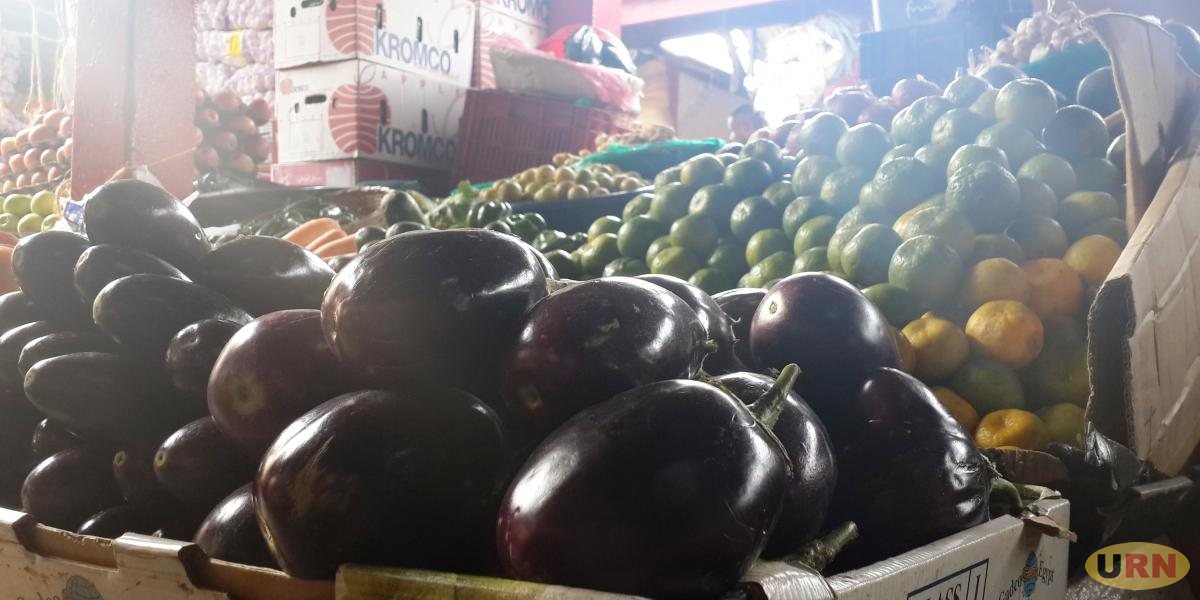
Another consumer, Maria Nalweyiso, says the weather conditions experienced in recent months have also contributed to the rising prices of some vegetables. She cites eggplants as one of the crops affected by prolonged sunshine, saying difficulties in growing the crop have contributed to its increased price on the market.
Nalweyiso says some foods remain relatively affordable because they can be eaten without expensive accompaniments, while foods such as posho often require sauces such as beans, whose prices have also risen. With traders reporting reduced supplies and higher transportation costs, and consumers cutting back on the quantities and variety of food they purchase, the rising prices are continuing to put pressure on household budgets-URN. Give us feedback on this story through our email: kamwokyatimes@gmail.com