Farmers across Uganda are counting heavy losses as a prolonged dry spell withers crops, dries up water sources and leaves livestock struggling for pasture and water. The extreme weather is also threatening household incomes and food security.
Across several regions, farmers who invested heavily in coffee, maize, beans, sorghum and other crops are watching their gardens dry up before harvest. Livestock farmers are facing a similar crisis, with animals losing weight and milk production falling as pasture and water sources disappear.
For many, failed crops mean lost income, mounting debts and growing difficulty paying school fees and meeting basic household needs.

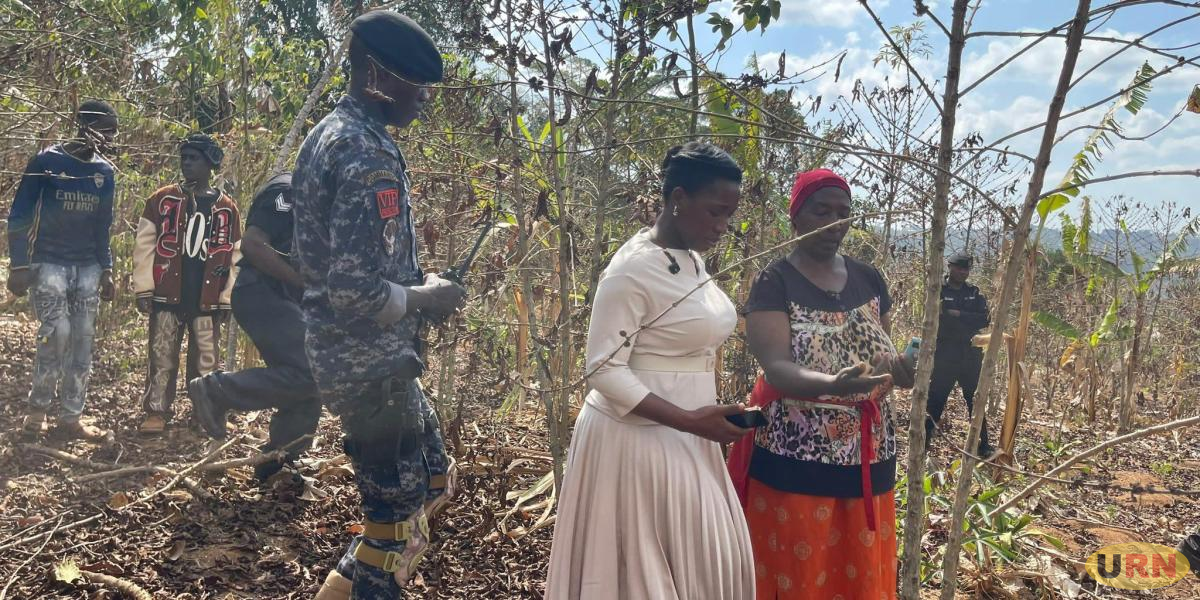
In Greater Masaka, one of the areas in Central Uganda severely affected by the dry conditions, coffee and food crops have been badly hit. Sulaiman Minani, a farmer from Bisanje Ward in Masaka City, says the drought has destroyed his one-and-a-half-acre coffee plantation, wiping out a major source of income.
Salim Bukenya, a coffee farmer from Kannabukuliro Cell in Masaka City, says the damage is also threatening the ability of families to meet their everyday obligations. He says losses from the dried coffee crop have left several households struggling to pay school fees and provide for their families.
The drought is also putting pressure on farmers who borrowed money to invest in agriculture. Hawa Nalumansi, the Treasurer of the Ssenya Parish Development Committee SACCO in Masaka City, says many beneficiaries of the government agriculture programme invested their loans in coffee growing. But with crops failing, she says, farmers are finding it increasingly difficult to repay the money, raising concerns about the sustainability of the programme and the financial burden facing already vulnerable households.
The situation is equally difficult in Greater Luwero, where farmers who planted maize and beans after receiving light showers in August are now counting losses after the rains stopped. Luwero District Agriculture Officer Wilberforce Ssemigga says the dry spell has severely affected farmers in Kamira, Kikyusa, Butuntumula and Zirobwe sub-counties, particularly those in the cattle corridor.
Coffee farmers have also been affected, with the quality of Kiboko coffee deteriorating and prices falling as a result of the poor harvest.
In Isingiro District, farmers in Nakivale Refugee Settlement are also counting the cost of the prolonged drought. Austin Rugamba, the Refugee Welfare Chairperson in Rubondo Village, says he has lost more than 10 acres of beans and maize, leaving him with little hope of recovering his investment.
Yustine Katarugamba, the LCI chairman of Kisura Village, says he invested about 1.5 million Shillings after renting land on which he planted 15 acres of sorghum, finger millet, beans and maize. Almost all the crops, he says, have been destroyed.
The losses have left him without the money needed to prepare for the next planting season, creating the risk of a cycle in which one failed season undermines the next.
Nakasongola District Chairman Rogers Kulaba Ssemanda says cassava and watermelon gardens have been destroyed, while livestock are becoming increasingly weak because of inadequate water and pasture. Some animals, he warns, could die if the rains do not resume soon.
In Bunyoro, livestock farmers are also being pushed to desperate measures as valley dams dry up. Charles Rukundo, a cattle farmer in Buliisa District, says some farmers are considering moving their animals to other districts, particularly areas near water bodies, in an attempt to save them from dying.
The crisis is also being felt in Teso, where livestock farmers are struggling with declining milk production and rising costs of keeping animals alive. Francis Okitoi, a farmer from Tisai Island in Kumi District, says milk production on his farm has fallen by more than half because of the shortage of pasture and water.
“I used to get over 45 litres of milk daily, but due to the prolonged drought, production has dropped to 21 litres a day. Treatment for the animals has also become expensive as they are suffering from extreme heat,” Okitoi says.
The dry conditions have also affected crops traditionally regarded as relatively resilient, including sorghum, millet and cassava, crops that many communities in Teso have historically depended on during periods of food scarcity.
Moses Attan Okia, the Member of Parliament for Soroti City East, said the situation is a reminder of the vulnerability created by Uganda’s heavy dependence on rain-fed agriculture. He says the country needs to accelerate investment in irrigation and modern farming systems, particularly in communities located near lakes, rivers and other reliable water sources.
Farmers are now appealing for urgent government intervention, including access to drought-resistant seed varieties, irrigation facilities, water for livestock and affordable agricultural inputs.
The Uganda National Meteorological Authority has identified the northeastern Karamoja sub-region, parts of Northern Uganda, Masaka and districts in southwestern Uganda among areas experiencing significant water stress and high temperatures, with increased risks to food and nutrition security.
According to the seasonal climate outlook presented by Dr Alfred Okot-Okidi, the Permanent Secretary in the Ministry of Water and Environment, Uganda is expected to receive near-normal to above-normal rainfall, with El Niño conditions projected to begin around mid-September.
But for thousands of farmers whose crops have already withered, livestock are weakening and incomes have disappeared, the anticipated rains cannot come soon enough. And even when they do, farmers will still have to rebuild what the drought has taken away: their crops, livestock, incomes and ability to invest in the next season-URN. Give us feedback on this story through our email: kamwokyatimes@gmail.com