The National Identification and Registration Authority (NIRA) is grappling with a severe service-delivery crisis. It is emerging the NIRA is holding about 5.4 million newly printed national identity cards that citizens have yet to collect.
The backlog, disclosed to Parliament on Monday, threatens access to essential services ranging from banking and mobile money to driving permits and civil registration in a country where the national ID has become the cornerstone of formal identity.
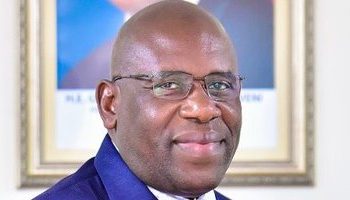
Appearing before the Committee on Commissions, Statutory Authorities and State Enterprises (COSASE), NIRA Executive Director Rosemary Kisembo attributed the logjam primarily to inadequate permanent staffing after the expiry of a large-scale temporary workforce hired for mass enrolment and renewal.

“The authority’s existing workforce is insufficient for the scale of its statutory responsibilities,” Kisembo told lawmakers. “The workload vis-à-vis the staffing structure does not match.” NIRA has an approved establishment of 571 positions, of which only 418 are filled.
Just 201 of those staff are client-facing. Under the Registration of Persons Act, 2015 (as amended in 2024), the agency is mandated to maintain the National Identification Register, register citizens and lawful non-citizens, and handle births and deaths.
The 2024 amendments, part of a broader government rationalisation of public agencies, also transferred civil-registration functions, including marriage registration, from the Uganda Registration Services Bureau (URSB) to NIRA, significantly expanding its remit without a corresponding increase in capacity.
According to Kisembo, NIRA has printed approximately 15.4 million new identity cards but issued only about 10 million, leaving 5.4 million in its custody.
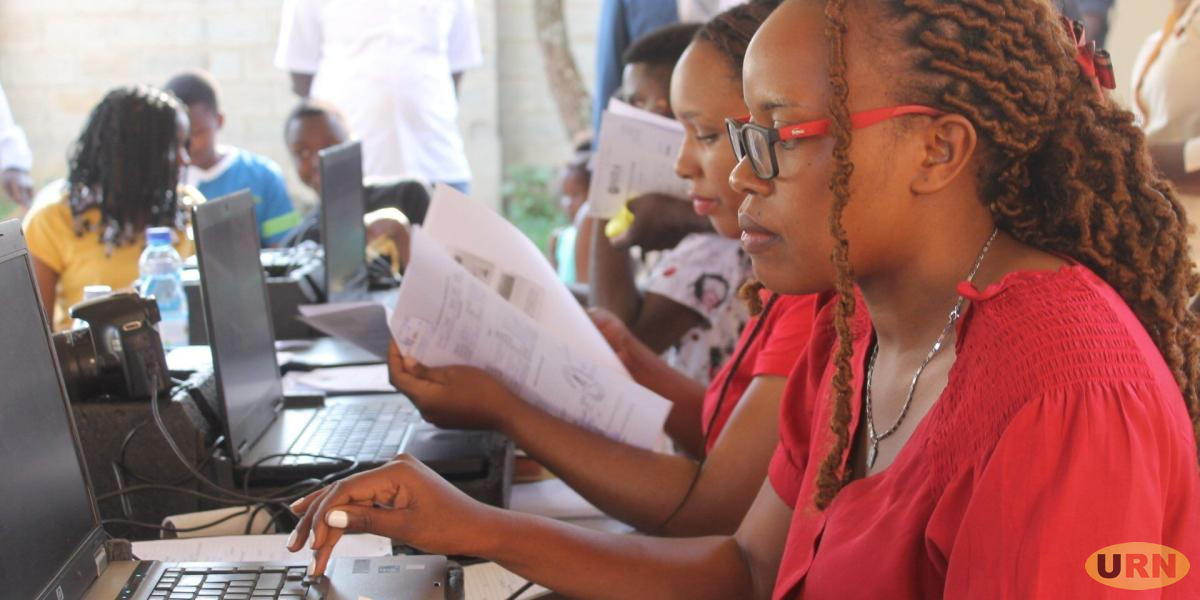
The temporary workforce that supported the mass exercise launched on 27 May 2025 once numbered between roughly 9,800 and 12,000 personnel, though high attrition caused fluctuations.
Even with those temporary hands, the authority estimates it would take about nine months to clear the outstanding cards if staff focused exclusively on distribution.
NIRA is now seeking an increase in its permanent establishment from 571 to 998 positions, plus at least 2,700 temporary workers for 18 months.
The temporary cohort would help complete renewals for about six million people, register an estimated 10.9 million Ugandans still outside the national register, process changes of particulars, and support birth and death registration.
For the current financial year, NIRA received about Shs15 billion for temporary staffing and hired 3,000 to 3,600 workers for three months at roughly Shs40,000 per day.
Kisembo acknowledged the arrangement provides only short-term relief: “At the end of three months, we shall go back to the point of 418 staff, of which 201 are client-facing.” The Committee members disagreed with the excuse blaming the problem solely as a numbers issue.
George Musisi, COSASE Deputy Chairperson and MP for Kira Municipality, argued that motivation, efficiency and internal service standards also contribute to delays.
Recounting his own experience at a NIRA office, he said: “It is not just about the numbers of the staff… just picking a card, not registration, picking a card is problematic.”
Committee Chairperson Muwada Nkunyingi raised cases in which citizens holding newly issued national IDs were told their details had not yet been activated or linked to relevant systems.
Geofrey Wokuri, MP for Bungokho County South, highlighted the knock-on effects for young people seeking driving permits: training-related payments can expire while applicants wait for their identity information to become operational.
NIRA confirmed the driving-permit system is still being integrated with the new identification platform but said an interim workaround is in place. Another challenge involves the transfer of marriage records.
NIRA inherited approximately 1.2 million physical marriage records stored in about 302 archival boxes previously held off-site under a URSB contract.
The NIRA Officials said they have procured and migrated a system that mirrors the previous URSB platform. “The system is the same. It was just moved from… URSB because now URSB doesn’t have a marriage function,” they told the committee.
NIRA now handles registration for civil, church, customary, Hindu and Muslim marriages.The scale of the shortfall is stark. Roughly 10.9 million people remain unregistered, while about six million already on the register have yet to renew their cards-URN. Give us feedback on this story through our email: kamwokyatimes@gmail.com