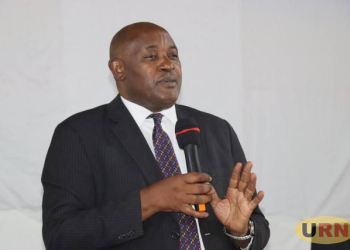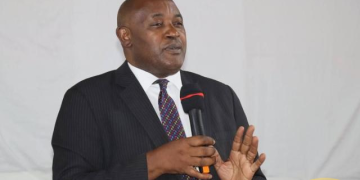
Antimalarials, ARVs, and malaria rapid diagnostic tests (RDTs) are among the most commonly stolen medical supplies from government health facilities, the Uganda National Drug Authority (NDA) has revealed.Dr Medard Bitekerezo, the NDA Chairman, made the revelation on Tuesday during the opening of the fourth edition of the Kigezi Health Sector Joint Performance Review Mission.
The two-day review mission is being held at Volcano Hotel in Rubanda District. It is aimed at assessing the performance of the health sector during the 2025/2026 financial year and developing action plans to improve healthcare delivery across the Kigezi sub-region.
The review is being held under the theme “The Role of Governance, Leadership and Partnership in Strengthening Client-Centred Health Services in Kigezi.” It is also intended to assess the implementation of resolutions and action plans agreed upon during the third edition of the review mission held last year in Kanungu District.

The mission provides an opportunity for districts to share best practices, identify challenges affecting healthcare delivery, and advocate for additional resources for the health sector.
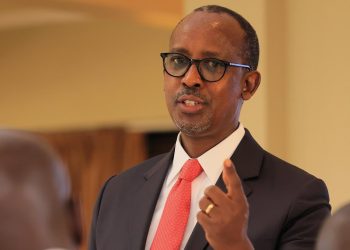
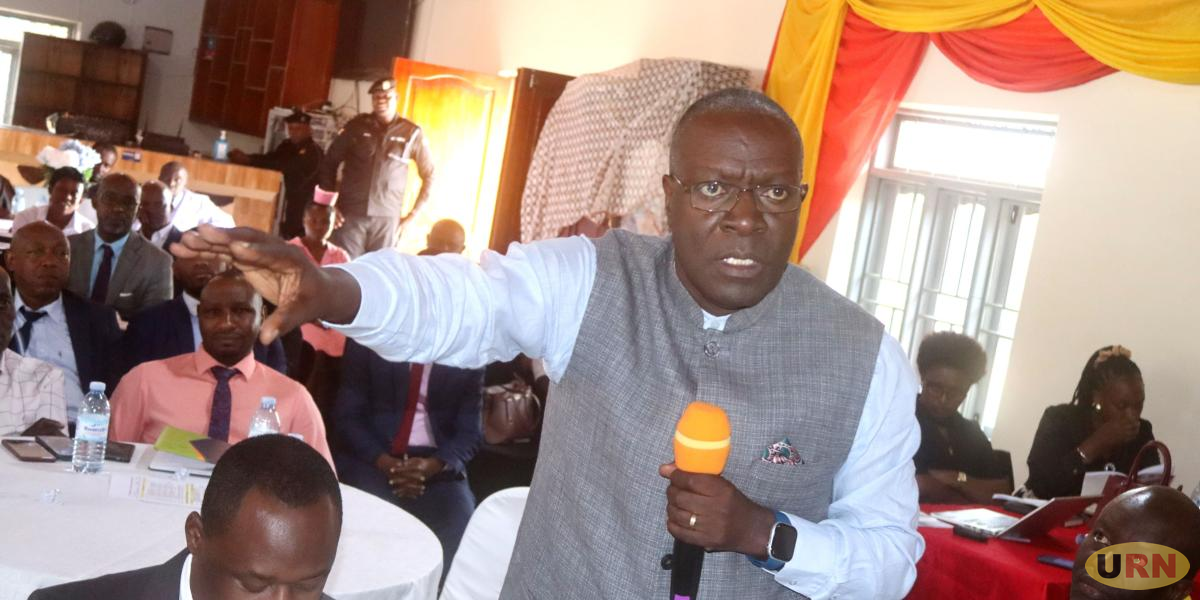
During the session, Dr Chris Baryomunsi, the Minister of Health, tasked Bitekerezo with explaining why drug shortages persist in government health facilities despite the substantial government investment in the health sector.
In response, Bitekerezo admitted that theft of medicines from government health facilities is widespread in Uganda.
He said the most commonly stolen medical supplies include antimalarial drugs used to treat malaria, antiretroviral therapy (ART) medicines used in the management of HIV, and rapid diagnostic tests used to test for malaria.
Bitekerezo said some health workers, including women, steal medicines in small quantities on a daily basis and gradually accumulate large stocks in their homes.
He said NDA investigations had established that medicines stolen from government health facilities in different parts of the country, including Mbarara, Rakai and Karamoja, are sometimes sold to dealers in Kampala.
Bitekerezo described the practice as a serious problem within the health sector, saying some health workers have become involved in organised networks that steal and sell government medicines.
He cited a case involving a dealer operating along Rashid Khamis Road in the Old Kampala area who allegedly received and purchased stolen medicines from different parts of the country.
According to Bitekerezo, after filling two stores with the medicines, the dealer would load them onto a truck and instruct the driver to transport them to the Uganda-Democratic Republic of Congo border at Vurra in Arua District.
He said the driver would only receive payment after delivering the medicines, with the money reportedly sent through mobile money.
Bitekerezo said the arrest of the driver helped investigators establish that he had been collecting the medicines from a store along Rashid Khamis Road.
He said when investigators raided the store and arrested the suspected dealer, the suspect died while in custody before he could explain who had been supplying him with the stolen medicines.
Bitekerezo also narrated another incident in which investigations at a health facility allegedly put the life of a health worker at risk after colleagues suspected the worker of revealing information about the theft of medicines.
He called for tough action against health workers involved in the theft and sale of government medicines, saying their actions undermine the health sector and put patients’ lives at risk.
Bitekerezo also identified another challenge involving some members of the public who allegedly fabricate illnesses to obtain medicines from health facilities, with the intention of taking the drugs home.
Dr Baryomunsi acknowledged that despite the government allocating about 1.2 trillion shillings for the procurement of medicines, drug shortages in government health facilities remain a concern, partly due to theft.
He said the government is actively fighting the theft and illegal sale of government medicines and will continue taking action against health workers involved in the practice.
Cases involving the theft of government medicines and other health facility property have also been reported in the Kigezi sub-region.
In July 2022, Vilda Natukunda, 43, a nursing assistant attached to Kebisoni Health Centre IV in Kebisoni Town Council, Rukungiri District, was arrested alongside intern nurses Brenda Ainembabazi, 22; Elcom Akatukwase, 20; and Sarcher Akanyijuka, 21, over alleged theft of government medicines from the facility.
The suspects were reportedly found with medicines including ceftriaxone, ciprofloxacin, doxycycline, amoxicillin, paracetamol and metronidazole, all labelled “Government of Uganda – Not for Sale.”
They were also found with a mosquito net, examination gloves and surgical gloves, which were similarly labelled as government property.
In July 2024, Godfrey Byaruhanga, a resident of Nyabwishenya Sub-county who was working as a security guard at Nyabihuniko Health Centre III in Chahi Sub-county, Kisoro District, was arrested after he was allegedly found in possession of medicines, a mattress and health kits suspected to have been stolen from the facility.
In January 2025, Patrick Namara, a watchman, and Gadi Habwomuremye, a laboratory assistant at Maregamo Health Centre III in Murora Sub-county, Kisoro District, were arrested over allegations of stealing medicines worth millions of shillings from the facility’s drug store-URN. Give us feedback on this story through our email: kamwokyatimes@gmail.com