Increasing cases of sexual violence within families in Loreng Sub-county, Nakapiripirit District, are being concealed as domestic violence, leaving couples traumatised and local leaders struggling to respond to the problem. Residents say the crisis is being driven by alcoholism, lack of transparency over family income and failure by some men to provide for their families.
Women accuse men of spending household income on alcohol before returning home to demand sex, sometimes forcefully, while men accuse women of deliberately denying them sex as a form of punishment, locally referred to as “Arwatata”, meaning turning to face the wall. Women in Loreng say some men spend much of the day in drinking joints before returning home either to sleep or demand sex.
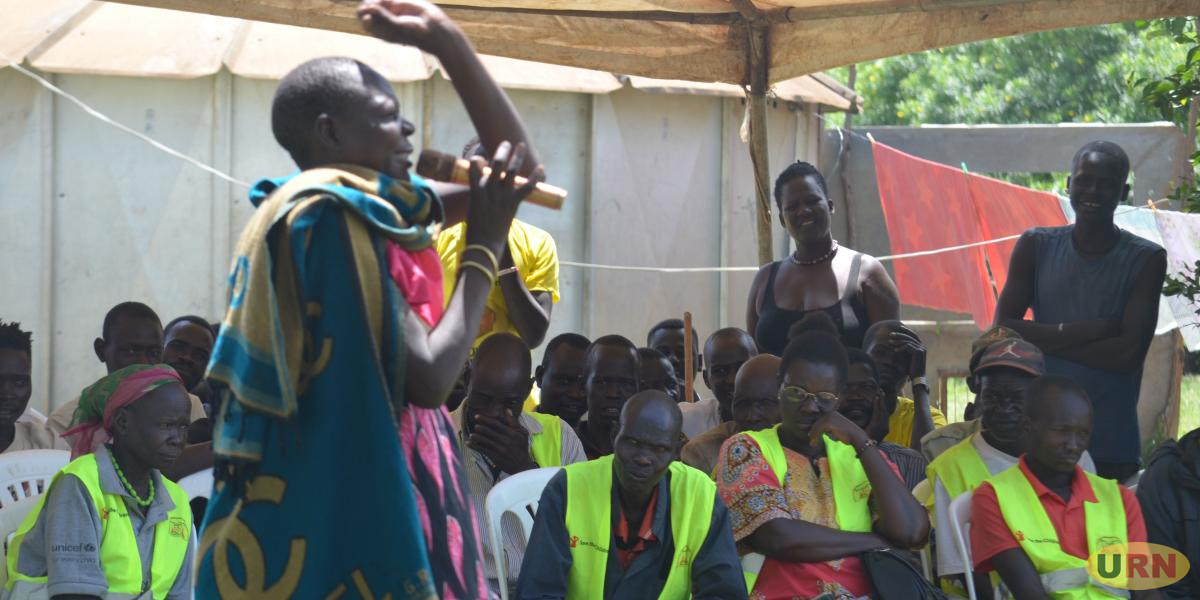
Grace Angella, a resident of Loreng village and a survivor of sexual violence, said she endured the abuse for a long time before an organisation known as KAWOU intervened. “We were put in groups and taken for training at the Nakapiripirit District headquarters. Initially, I thought I was the only one affected, but I found many women going through the same problem in silence,” Angella said.

She said some women also deny their husbands sex because the men fail to support their families. “A man can sell a goat and drink all the money with friends in the bar, and he doesn’t buy food at home,” Angella said.
Mary Akiteng said some men abandon their wives after they become pregnant, leaving women to shoulder the responsibility of raising children. “Once we get pregnant, the man disappears from home or goes to another woman. Men use all the income that would support the family in drinking joints, and they don’t want women to demand accountability,” Akiteng said.
“We go through a lot of hardships and trauma in our families; it’s even hard to explain the situation, but we are now used to it because we are born with it,” she added, saying the violence had been passed down through generations. Judith Nachap from Loboloi village said lack of financial transparency was also fuelling conflict in families.
“He can take an animal to the market to sell, and he doesn’t disclose the amount. All the money is used on alcohol with friends, without buying food at home, and when he returns home, he starts demanding food. After eating, he also demands sex,” Nachap said. “When you deny him, he starts claiming that it’s his right as a man to enjoy conjugal,” she added.
Men in the area also say they are experiencing sexual violence, accusing women of weaponising sex denial during domestic disagreements. Albert Achia said “Arwatata” had become a form of punishment in some relationships. “The woman turns to the wall so that you don’t touch her, and when you insist, a fight erupts. This Arwatata thing has become a password. Any single quarrel, she turns her back to you and faces the wall. We also suffer in silence,” Achia said.
Loreng village LC1 Chairperson Mariko Lopeyok acknowledged the growing problem but attributed much of the domestic violence to the increasing availability of illicit alcoholic drinks, including kombucha and waragi packaged in small bottles. “The drinks have been packaged well, making it easy for every man to pocket and take it anytime. Couples should speak out about their relationship issues,” Lopeyok said.
Lopeyok said he handles several domestic violence cases, but many are resolved through forgiveness, which he said often allows the violence to recur.“A man beats up a woman, and he is reported to my office. You summon him; he will say the act was under the influence of alcohol influence, and he wants to be forgiven, but when you forgive him, he does the same. It really annoys and to make it worse, their women don’t want the men to be arrested,” he said.
However, Lopeyok said no woman had directly reported sexual violence to his office, explaining that such cases are usually concealed as domestic violence because couples are reluctant to disclose the real cause of their disputes.
Simon Peter Kodet, LC1 Chairperson of Kawojare village, called for the establishment of dedicated sexual violence desks at police stations to enable victims to report the cases confidentially. “Both men and women are experiencing sexual violence, but these issues cannot be revealed openly. Sometimes they fight, and when local leadership intervenes, they don’t reveal the real cause,” Kodet said.
He appealed for private rooms at police stations where victims and couples can discuss such matters without fear of being exposed.
Mt Moroto Regional Police Commander Edirisa Kyeyune attributed sexual violence to alcoholism, lack of financial transparency, and failure by men to provide for their families. “Men should be able to disclose their incomes to the wife, and they plan together as a family if they are to have a peaceful marriage,” Kyeyune said. He said widespread alcohol abuse among men in Karamoja had affected productivity and contributed to gender-based violence.
Kyeyune said police were also fighting the influx of illicit waragi reportedly being transported from Jinja to Karamoja. He warned residents against alcohol abuse, saying it contributes to gender-based violence, while also urging women to respect their husbands and allow them to enjoy conjugal rights, saying other disagreements should be resolved amicably-URN. Give us feedback on this story through our email: kamwokyatimes@gmail.com