Farmers in Amudat and Nakapiripirit districts are reviving the production and use of indigenous seeds as a strategy to withstand climate shocks, reduce dependence on costly commercial seeds, and improve food security in the semi-arid Karamoja region.
The revival follows a two-year project implemented by the National Agricultural Research Organisation (NARO)-Nabuin in partnership with Danish Church Aid, Seed Savers Network Kenya and TPO Uganda to reintroduce and promote indigenous seed varieties among farming communities.
The project, titled “Facilitating Inter-generational Knowledge-sharing on Indigenous Seeds and Farm Diversity for a Climate-resilient and Food-secure Future,” targets farmer groups in Looro and Alakas Sub-counties in Amudat and Kakamongole and Moruita Sub-counties in Nakapiripirit.

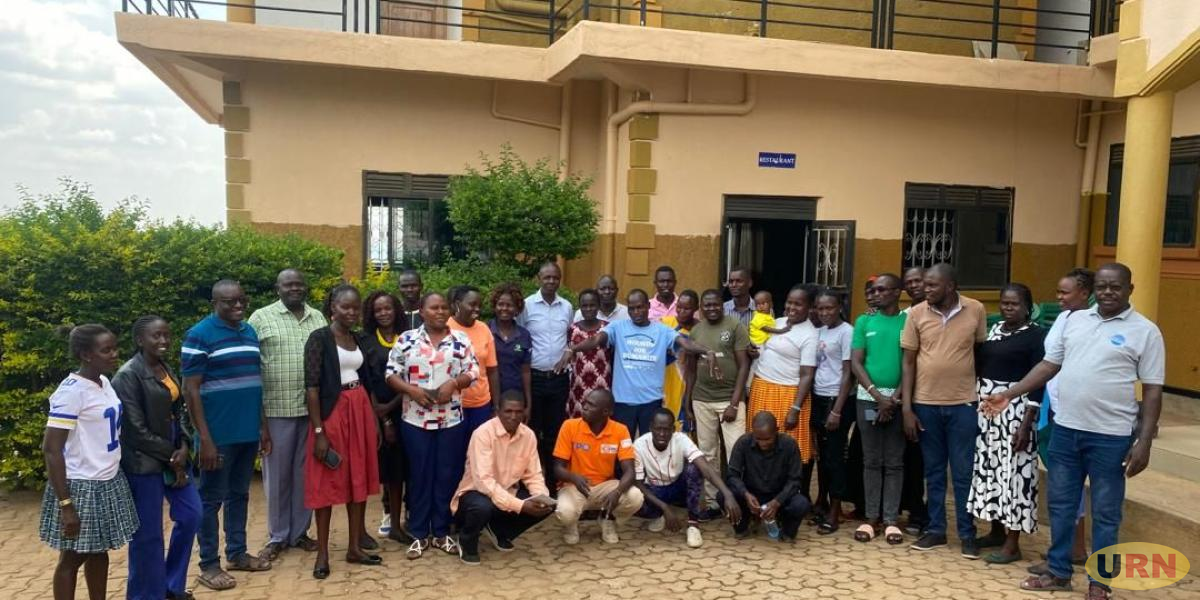
As part of the project, district agricultural officers and farmer group chairpersons from the four sub-counties recently completed a five-day training in Nakapiripirit on indigenous seed production. They are expected to pass on the knowledge to farmer groups ahead of the rains. Farmers and agricultural officers say indigenous seeds are more resilient to drought and changing weather conditions, but their use has declined following the introduction of hybrid varieties.
Venny Cherop, a Research Assistant at DanChurchAid/Novo Nordisk Foundation, said the project has so far established two seed banks in Kakamongole and Moruita sub-counties, while another is under construction in Nakapiripirit Town.
She said some of the indigenous seeds collected from farmers have already been stored in the seed banks. “The farmers have already been trained and are now waiting for the rains to start the implementation,” Cherop said, adding that the project remains on course to achieve its targets within the two-year implementation period.
Nakapiripirit District Senior Agricultural Officer, Lotibu Loyese, said the district has significant agricultural potential, supporting crops including maize, beans, sorghum, sugarcane, bananas and rice. However, he said farmers have largely depended on home-saved seeds or seeds purchased from Mbale and Kenya, exposing them to high transport costs, price fluctuations and counterfeit products.
“Access to quality seeds has been the biggest challenge. Some farmers end up with counterfeit seeds that fail to germinate,” Loyese said. He said indigenous varieties, particularly sorghum, had historically enabled farmers to obtain harvests despite changing weather conditions, unlike some modern varieties that are more vulnerable to climate shocks.
Nakapiripirit District Agricultural Officer Jolly Aisu said agricultural officials are preparing to cascade the training to communities, noting that many rural farmers cannot afford improved commercial seeds. She said reviving indigenous seed varieties could provide farmers with affordable and locally adapted alternatives while restoring varieties that have gradually disappeared.
Esther Nafula, a farmer from Komoriet Village in Moruita Sub-county, said the training had equipped her with skills to produce indigenous seeds. “Indigenous seeds used to be affordable and adaptable to our unpredictable weather but were abandoned when hybrid seeds came. Now we have knowledge to produce them and make them available to all farmers,” Nafula said.
Robert Sola Lakidi, Senior Agriculture Inspector in the Department of Crop Inspection and Certification at the Ministry of Agriculture, Animal Industry and Fisheries (MAAIF), said the ministry has trained trainers of trainers for Local Seed Businesses (LSBs) in Karamoja to support sustainable production of quality indigenous seeds.“We trained them to ensure they are equipped with technical knowledge to produce good quality seeds. The farmers must ensure genetic purity and guard against seed-borne pests and diseases,” Lakidi said. Lakidi said the farmers were also taken to Namalu Government Prison Farm, where seed multiplication is ongoing, to gain practical experience.He urged farmers to organise themselves into groups so they can access profitable markets for their produce and seeds.
Once multiplied and distributed, the indigenous seed varieties are expected to strengthen seed security, lower production costs and increase food production among farming communities in Amudat, Nakapiripirit and the wider Karamoja region-URN. Give us feedback on this story through our email: kamwokyatimes@gmail.com