Ajai Wildlife Reserve in Madi Okollo District is set to receive 16 more rhinos next month as the Uganda Wildlife Authority (UWA) steps up efforts to restore the reserve’s wildlife population.
The new arrivals will bring the number of rhinos in Ajai to 20, following the introduction of four rhinos in January this year. The species had become extinct in the reserve during the 1979-1980 war that followed the fall of then-President Idi Amin.
Ajai currently hosts more than 10 species of wild animals, including zebras, and local leaders and residents in Madi Okollo and across the West Nile sub-region hope the growing wildlife population will give tourism a major boost.

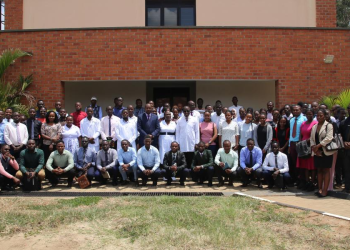
Wilson Katambigwa, the Senior Warden in charge of Ajai Wildlife Reserve, revealed the plans during a stakeholders’ engagement in Arua. He said the introduction of more rhinos, alongside other rare wildlife species, is expected to increase the reserve’s appeal to tourists visiting West Nile.
According to Katambigwa, UWA is working to fully restock Ajai Wildlife Reserve, but he called for greater cooperation from local communities and government authorities to protect the animals and support the development of the reserve.
Meanwhile, Professor Simon Anguma, the Vice Chancellor of Muni University, said the university and other academic institutions would take advantage of the growing wildlife population to conduct research and generate information that can promote Ajai and other wildlife destinations in the region.
Anguma said academia has a role to play in supporting the tourism sector through research, innovation and knowledge dissemination.
Ajai Wildlife Reserve lost much of its wildlife during the 1980s and 1990s. The government later developed plans to revive the reserve, and in 2002, UWA upgraded Ajai to a wildlife reserve and began efforts to restock it.
Ismail Drabe, the Madi Okollo District Chairperson, urged residents to take advantage of the reserve to connect with the outside world and promote a positive tourism culture among the younger generation.
Drabe said some residents are already benefiting economically from the reserve through the sale of locally made crafts and food, as well as providing transport services to tourists.
UWA began accelerating the restocking of Ajai in 2024 with the introduction of species such as Uganda kob and buffaloes, followed by giraffes, zebras and, later, rhinoceroses.
Despite the growing wildlife population, Ajai continues to record relatively low visitor numbers. UWA reports that the reserve receives an average of one to five tourists per day, largely because it is off the main tourist circuit and located far from Kampala. Visitor numbers can, however, rise slightly during the peak dry season.
Ajai Wildlife Reserve is known for offering visitors a secluded and peaceful wildlife experience, and stakeholders hope the ongoing restocking will help position it as a major tourism destination in West Nile-URN. Give us feedback on this story through our email: kamwokyatimes@gmail.com