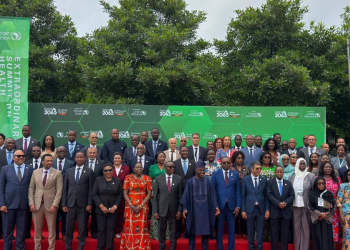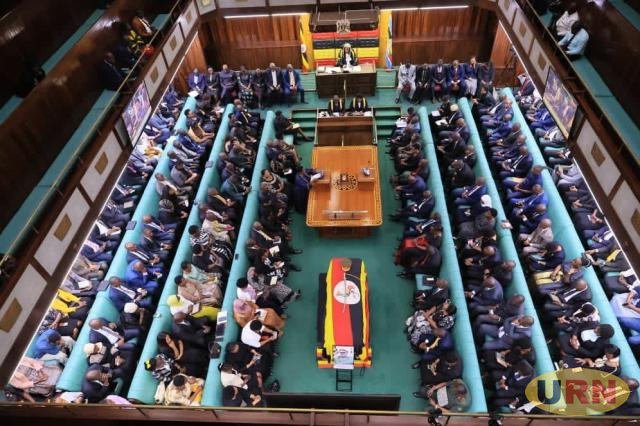
The Ministry of Lands, Housing and Urban Development wants Parliament to urgently pass land-related reforms.
Judith Nabakooba, the Minister, says these could address land conflicts, restore investor confidence and protect vulnerable landowners from abuse.
Among the reforms is the long-awaited Real Estate Bill, alongside proposed amendments to the Land Acquisition Act, Trustees Incorporation Act, Survey Act and Physical Planning Act.

The reforms are meant to professionalize the real estate industry, regulate developers and brokers, tighten compulsory acquisition procedures, strengthen physical planning and close loopholes that have long enabled fraud, speculative abuse and messy ownership disputes.
Nabakooba said Uganda’s land governance framework has not kept pace with the realities of a fast-changing economy, rising urbanisation and mounting pressure on land.
“These reforms are necessary to address legal and institutional gaps, strengthen regulation, improve land administration, reduce fraud and exploitation, and ensure our laws remain responsive to the country’s changing needs,” she said.
Uganda already has one of the region’s most detailed legal and policy architectures on land.
The Constitution of 1995, under Article 237, vests land in the citizens of Uganda and recognises four tenure systems: customary, freehold, leasehold and mailo.
The Land Act operationalises that framework, while the Uganda National Land Policy (2013) identifies weak administration, insecure tenure and overlapping land rights as major barriers to equitable development.
Yet the persistence of illegal evictions, land grabbing, double titling, fraudulent transactions and long-running ownership battles suggests that strong laws on paper have not always translated into security on the ground.
“These challenges continue to affect livelihoods, delay investments and weaken confidence in our land institutions. That is why we need to work together to improve the land governance system,” Nabakooba said.
The ministry argues that the reforms come at a critical moment. Rapid urban expansion, a growing appetite for commercial land, major infrastructure projects and mounting tensions around customary tenure are converging to place unprecedented strain on the system.
Nabakooba pointed to ongoing modernisation efforts, including the creation of 22 Ministry Zonal Offices that have decentralised land registration, title processing, valuation and mortgage registration services.
She also highlighted digitisation of land records, which now allows citizens to conduct online land searches and has improved transparency in property transactions. Ministry figures show registered land coverage has risen from 18 per cent in 2013 to 30.12 per cent, a sign of progress, though still far from universal coverage.
A substantial share of land under customary tenure remains undocumented, leaving millions exposed to fraud, land grabbing and forced eviction.
To bridge that gap, the government continues to issue Certificates of Customary Ownership under the Land Act, which recognises customary tenure as a lawful and equal tenure system.
The ministry has also operationalised a central payment account for lawful tenants, or bibanja holders, to deposit statutory busuulu where landlords refuse payment or cannot be traced, a mechanism designed to help tenants comply with the law while preserving their occupancy rights.
For Adjumani District Woman MP Jesca Ababiku, Parliament has no excuse for delay. Citing Article 237 of the Constitution, she said legislators carry a direct duty to protect land rights through effective lawmaking and oversight.
“Land issues are among the biggest problems in this country, and by choosing to be part of this Forum, you are on the right track to address the concerns of the people who sent you to Parliament,” she said.
Ababiku said roughly 42 per cent of cases handled by Ugandan courts are land-related, a figure that underlines the depth of the crisis and the pressure on the justice system. She warned that without stronger safeguards, women, smallholder farmers and customary landowners remain vulnerable to fraudulent deals and unlawful evictions.
Speaker Jacob Marksons Oboth reinforced that view, describing land governance as central to national development, social justice and investor confidence. “Land is more than a fiscal asset. It is the foundation of livelihoods, dignity and opportunity for our people. It sustains families, drives investment and underpins national development.”
Development partners at the forum broadened the debate beyond law reform, arguing that land governance is also a food security, climate and social justice issue.
Currently, Oxfam, through its Cultivating Change Programme, said equitable access to land is essential to strengthening the rights of rural women and smallholder farmers, improving sustainable land management and advancing the Sustainable Development Goals, especially SDG 2 on zero hunger, SDG 5 on gender equality, SDG 13 on climate action and SDG 15 on life on land-URN. Give us feedback on this story through our email: kamwokyatimes@gmail.com