Members of Parliament have called for improved crisis communication during public health emergencies. They argued that while Uganda’s response successfully contained the 2026 Bundibugyo Ebola Virus Disease (outbreak, shortcomings in public messaging unnecessarily harmed tourism, trade and livelihoods.
The concerns were raised on Thursday after Health Minister Dr. Chris Baryomunsi informed Parliament that Uganda has entered the final 42-day countdown required before the outbreak can officially be declared over. The milestone follows the discharge of the last Ebola patient and the completion of monitoring for all identified contacts.
Presenting a ministerial statement, Dr. Baryomunsi said Uganda recorded 20 confirmed cases, 18 recoveries and two deaths, representing a case fatality rate of 10 percent, significantly lower than the historical 25–36 percent associated with the Bundibugyo Ebola strain. He said there have been no new confirmed cases in the past 21 days, while all 836 identified contacts successfully completed the mandatory 21-day follow-up, marking a major milestone in interrupting local transmission.

The minister attributed the progress to rapid case detection, prompt isolation of patients, strengthened surveillance, and the deployment of WHO-approved supportive care and investigational therapeutics. He added that most confirmed infections were linked to importation from the eastern Democratic Republic of Congo (DRC), where Ebola remains active.
The Minister said the government activated a multi-sectoral response immediately after declaring the outbreak on May 15, including enhanced laboratory testing, border screening, genomic surveillance and collaboration with the DRC under a joint cross-border response mechanism. Despite welcoming the progress, MPs said lessons from the outbreak should shape future responses, particularly in how government communicates health risks to the public and international audiences.
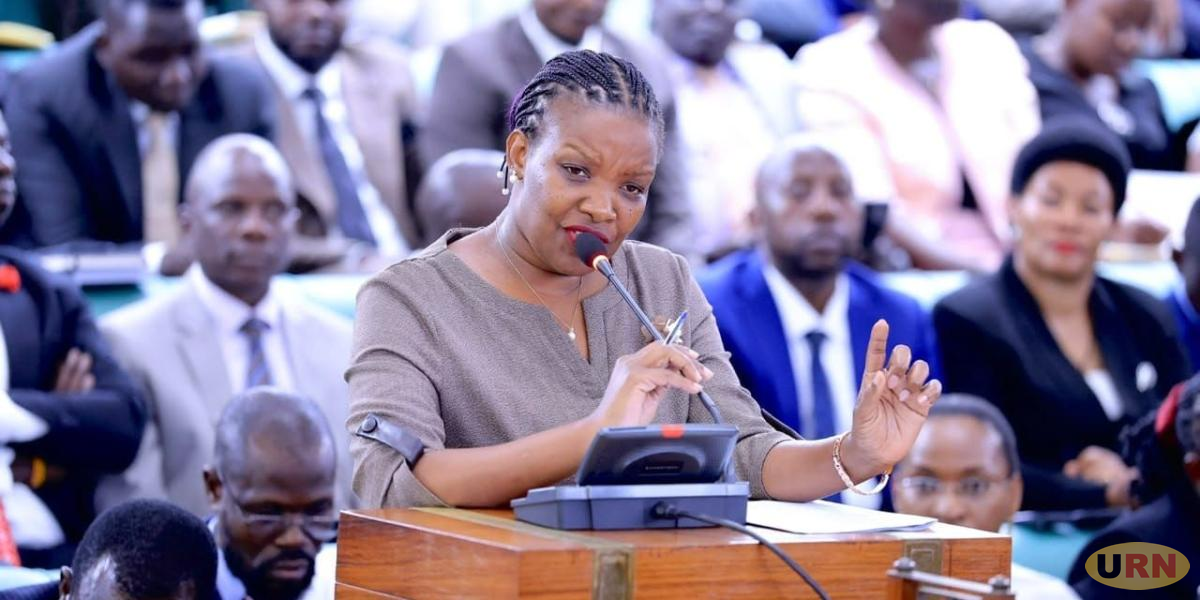
Mukono District Woman MP and Shadow Minister of information Sheila Amaniyo Draville commended frontline health workers for containing the outbreak but criticized the Ministry of Health’s risk communication strategy. She argued that although Uganda had successfully controlled the virus, official messaging created the impression that Ebola was spreading widely across the country, leading to avoidable economic losses.
Amaniyo noted that the majority of Uganda’s confirmed cases were imported from the DRC, with only limited secondary transmission among health workers and caregivers under close monitoring. She maintained that Uganda did not experience widespread community transmission.
According to the legislator, the ministry’s communication approach contributed to cancellations in the tourism sector during the peak safari season, disrupted domestic trade around the Namugongo Martyrs celebrations, and prompted travel restrictions and heightened screening of Ugandan travellers abroad. She called for the establishment of a joint crisis communication task force bringing together the ministries of Health and Tourism and the Uganda Tourism Board.
She also proposed clearer separation of Uganda’s outbreak data from that of neighbouring countries, stronger diplomatic engagement to address travel restrictions, and more targeted public health messaging that informs the public without causing unnecessary alarm.
Obongi County MP Hassan Fungaroo Kaps, chairperson of the West Nile Parliamentary Caucus, praised the government’s decision to establish Ebola treatment capacity across the border in Aru, DRC, saying the intervention was critical for communities who’s social and family ties extend across Uganda and Congo.
He said many border residents routinely cross into the DRC for funerals, family visits and other cultural obligations, making coordinated cross-border disease control essential to protecting communities on both sides of the border.
Ntoroko County MP Edison Rugumayo welcomed the government’s response but appealed for emergency support to border communities whose livelihoods have been affected by restrictions on cross-border trade.
He said livestock traders in Ntoroko, particularly in six sub-counties that rely heavily on cattle trade with the DRC, have lost their incomes following market closures and urged the Office of the Prime Minister to work with local leaders to provide relief to affected households.
Kasese District Woman MP Sarah Ithungu-Masereka also commended the Ministry of Health for strengthening surveillance at the Mpondwe-Lhubiriha border but said prolonged market closures had placed severe strain on families. She told Parliament that nearly 70 percent of traders in the affected border markets are women who depend on daily earnings to support their households and appealed for emergency assistance through the Office of the Prime Minister and the Ministry of Disaster Preparedness.
Responding to MPs, Dr. Baryomunis acknowledged that Uganda remains vulnerable because of the continuing Ebola outbreak in eastern DRC but said the country’s overall risk is now “moderate and declining.” He cautioned that informal border crossings and declining public vigilance remain significant threats until Uganda completes 42 consecutive days without a new confirmed case, in line with World Health Organization guidelines.
The minister also appealed to Parliament to support the creation of a dedicated budget line for epidemic preparedness beginning in the 2026/27 financial year, arguing that investing in preparedness is far less costly than responding to future outbreaks-URN. Give us feedback on this story through our email: kamwokyatimes@gmail.com