Uganda Wildlife Authority (UWA) says invasive plant species, wildlife crime, habitat degradation and increasing pressure on protected areas remain some of the biggest threats to the country’s wildlife and tourism sector. The authority says thousands of hectares of protected land continue to require restoration, while sustained investment is needed to protect wildlife, strengthen conservation enforcement and reduce human-wildlife conflict.
It is against this backdrop that UWA has unveiled its 2025/2026–2029/2030 Strategic Plan, together with a Client Charter and Service Delivery Standards, outlining how it intends to strengthen wildlife conservation, expand nature-based tourism and increase community participation over the next five years.
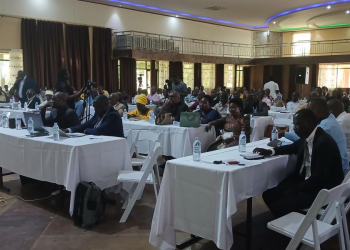
Speaking during the launch, Assistant Commissioner for Conservation Richard Kapere said the strategy was developed through extensive consultations with district leaders, conservation partners, non-governmental organisations and communities living around protected areas. Kapere said the plan is aligned with the Uganda Wildlife Act, the Fourth National Development Plan (NDP IV), the government’s tourism development programme, the Tenfold Growth Strategy and the National Resistance Movement manifesto.

He noted that despite persistent conservation challenges, UWA registered significant achievements under the previous strategic plan. According to Kapere, the authority cleared more than 13,600 hectares of invasive plant species, restored over 3,800 hectares of degraded land, maintained 1,133 kilometres of fire lines and installed 765 boundary pillars across five protected areas. In the Mt. Elgon Conservation Area alone, 374 hectares of encroached land were recovered.
He added that more than 114,000 patrols were conducted, resulting in arrests and prosecutions linked to wildlife crime. Under the new strategy, UWA plans to restore at least 5,000 hectares affected by invasive vegetation, recruit and train 1,500 wildlife rangers, and undertake wildlife translocations involving rhinos, giraffes, zebras and Uganda kob to rebuild biodiversity in selected protected areas.
Executive Director James Musinguzi said the authority is also embracing technology to improve conservation. He cited the deployment of the EarthRanger wildlife monitoring system, drones and surveillance aircraft to strengthen park management and reduce human-wildlife conflict. UWA has also digitised all payment systems, replacing cash transactions with electronic payments.
Musinguzi further revealed that Uganda’s rhino population, which became extinct in the wild in 1983, has grown to 61 animals through government and partner support. Four rhinos have already been relocated to diversify tourism products, while plans are underway to move 16 more to Ajai Wildlife Reserve and another 10 to the Kidepo Valley Conservation Area.
He added that discussions are ongoing with Kenya on the possible reintroduction of the indigenous Eastern Black Rhino to Uganda. To strengthen prosecution of wildlife crimes, UWA has established a DNA forensic laboratory capable of identifying illegal wildlife products. Deputy Head of Public Service in charge of Performance and Service Delivery Jane Kyalisiima said Uganda’s wildlife remains one of the country’s greatest national assets and should be protected for future generations.
“A nation that protects its wildlife protects its future,” she said. Kyalisiima noted that wildlife conservation contributes significantly to tourism, employment, environmental sustainability and national development. She, however, stressed that the success of the new strategy will depend on effective implementation, coordination and continuous monitoring-URN. Give us feedback on this story through our email: kamwokyatimes@gmail.com