Busoga Sub-region has come under renewed public health focus as the Ministry of Health intensifies interventions to curb the high prevalence of sickle cell disease, which continues to significantly exceed the national average. The renewed campaign in May and June has combined mass screening, community sensitisation, and multi-sectoral partnerships aimed at reducing new infections and improving early detection across the region.
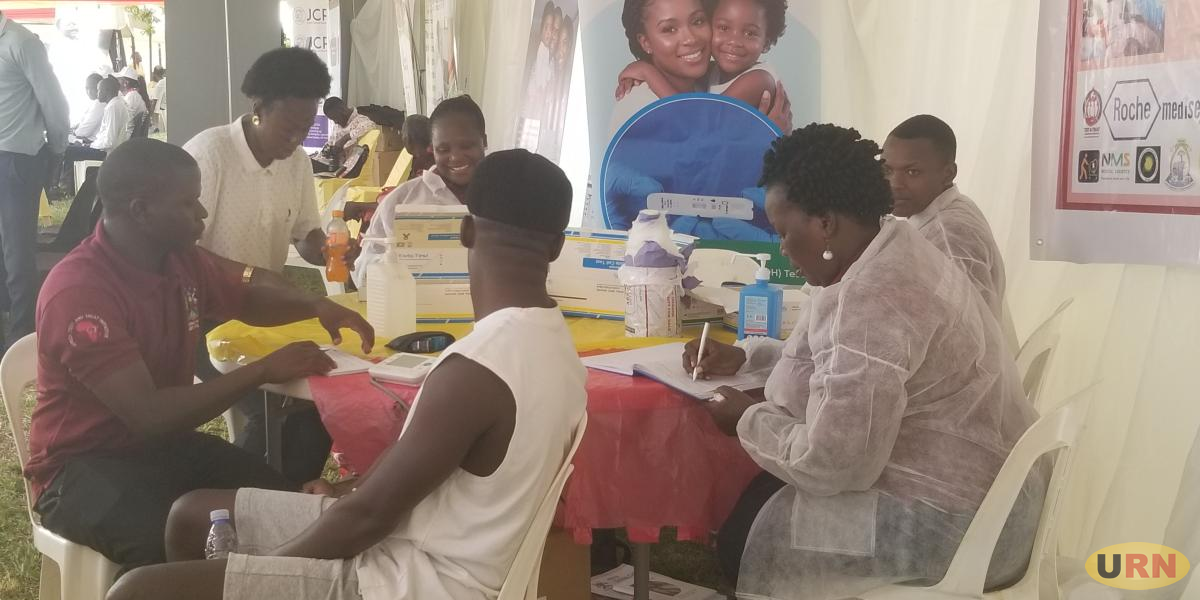
Busoga continues to register a sickle cell burden of about 23%, with some districts reporting rates as high as 25%, compared to the national prevalence of 13–15%. The interventions were rolled out across nine districts of Iganga, Kamuli, Jinja City, Mayuge, Namayingo, Kaliro, Bugweri, and Buyende, targeting schools, markets, health facilities, open community outreaches, and places of worship, including mosques and churches.Public barazas were also held, providing platforms for residents to engage health experts on prevention, testing, and management of the disease. Health officials say about 7,000 of those screened were school-going children, while 3,000 were adults, many of whom were previously unaware of their sickle cell status.
The results indicated that one in every four individuals tested carried the sickle cell trait, reinforcing the region’s high prevalence levels of 23–25%. Ministry of Health sickle cell coordinator Miriam Ajambo said the situation in Busoga requires urgent and sustained interventions, including newborn screening, premarital testing, and intensified community sensitisation campaigns.

She stressed that the fight against sickle cell disease is most effective when leaders from all sectors actively participate and own the response. Ajambo said this approach has led to the establishment of multi-sectoral task forces bringing together the Busoga Kingdom, Muslim leaders, the Catholic Church, the Seventh-day Adventist Church, the National Fellowship of Born Again Churches, Busoga students, and secondary school teachers.
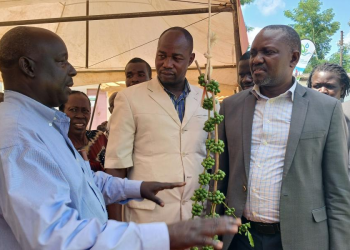
She explained that the task forces are mobilising volunteers to champion screening and awareness campaigns within their respective communities. Busoga Kingdom Minister of Health Andrew Balyeku said the kingdom has prioritised the fight against sickle cell disease, working closely with the Ministry of Health to strengthen prevention and awareness efforts. Balyeku noted that recent voluntary screening results show a worsening situation in some areas, but also underscore the importance of coordinated interventions.
He urged couples to prioritise premarital screening, saying it remains one of the most effective ways of preventing new cases of sickle cell disease in future generations. The District Khadi of Jinja City, Adhi Basoga, said the Muslim community has supported the campaign by providing space for health workers to sensitise congregants and conduct voluntary screening at mosques. He said the initiative has been widely embraced and stressed that health awareness should complement spiritual guidance, as good health is essential for individuals to fulfil their purpose in life.
Meanwhile, Babra Nakilanda from the National Fellowship of Born Again Churches’ sickle cell task force said youth engagement campaigns targeting couples intending to marry have been rolled out across the sub-region. She noted that while HIV testing has traditionally been prioritised before marriage, communities are now increasingly embracing sickle cell screening as a key preventive step for safeguarding future generations.
Ministry of Health Director of Public Health Dr. Daniel Kyabayinze said the prevalence of sickle cell disease in Busoga remains significantly higher than the national average, requiring sustained and coordinated interventions. He said that, alongside ongoing test-and-treat initiatives, premarital screening is being strengthened as a key preventive strategy since the condition is genetically inherited.
Dr. Kyabayinze noted that scientific evidence shows a 25% chance of two carriers producing a child with sickle cell disease, making preventive screening and informed marriage decisions critical. He commended regional leaders for embracing collaboration, saying such partnerships are essential for achieving long-term success in reducing the burden of sickle cell disease-URN. Give us feedback on this story through our email: kamwokyatimes@gmail.com