As the Ministry of Health (MOH) readies to commemorate the World Sickle Cell Day in Jinja on Friday, children battling the hereditary blood disorder in Busoga writhe in pain amidst stock outs of hydroxyurea, a wonder drug for reducing painful crises and other complications. Hydroxyurea was recently added to the essential medicines list and government announced that the drug will now be available and freely accessible even in the lower health facilities official in the ministry told URN that as they go to Busoga tomorrow, this essential drug is currently not there in the whole region.
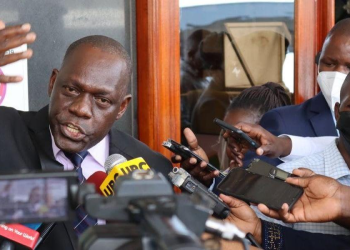
The officials said the Busoga region currently bears the biggest burden of both the genetic disease and the trait with prevalence being estimated at 20 percent against the national average of 13 percent. The source added that with absence of this critical drug now, treatment choices for children are currently limited to giving them supportive care such as offering them pain killers to manage the pain. When this was put to Dr Charles Olaro the Director General of Health Services at a press conference on Thursday, he acknowledged there are shortages explaining that they still lack data to help health facilities quantify their exact hydroxyurea needs.
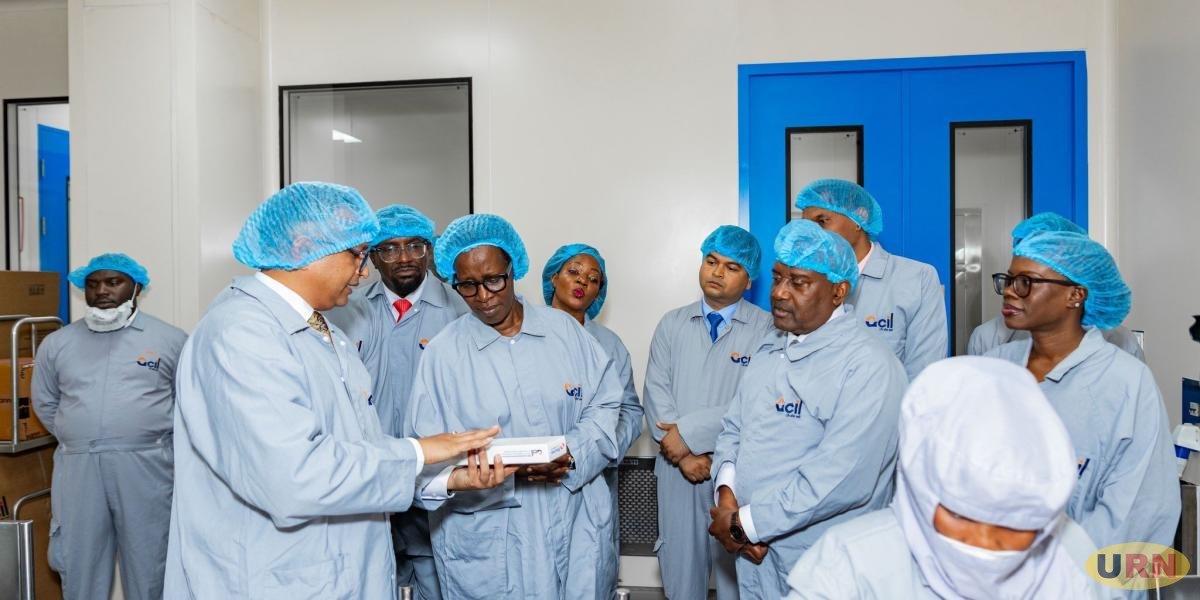
Olaro urged hospital leaders to add the drug in their procurement plans saying that if they don’t, health facilities risk does not get getting supplies despite need. The doctor who further said the drug is now being manufactured locally in Uganda with the commissioning of a Manufacturing Facility at Quality Chemical Industries in Luzira in May, went ahead to praise it as a game changer in sickle cell treatment, confirming that he recently saw this on his visit to Kayunga hospital.

World Sickle Cell Day is observed every June 19 to alert the global public about sickle cell disease. On this day, patients share their struggles as government and health advocates push for increased funding for better managing the condition which in Uganda was until recently being associated with a lot of myths including witchcraft and family curses. Ahead of the event, Dr Nathan Mulure, a Kenyan medic who is part of a group of 35 experts from Kenya, Uganda and Ivory Coast who launched the Imara Sickle Cell framework explained that they came up with this initiative to offer a comprehensive care path for sickle cell management by looking at the entire African continent.
He said, the framework was built on four pillars targeted at improving management for those already sick and preventing more sickle cell disease by among others conducting wide awareness and improving testing programmes. He reports that in many African countries there is no funding for sickle cell which makes the disease remains neglected yet up to 5.7 million people on the continent live with the disease. In Uganda, statistics by MOH show that six million people accounting for one in every seven people live with sickle cell trait, meaning that these people are free from the disease but if they have a child together, they risk producing children with sickle cell disease.
Earlier this year the government launched a programme to create awareness by focusing on genomic counselling and encouraging couples to test for sickle cell before marriage. Also, they launched countrywide mandatory testing for newly born babies. According to Dr Miriam Ajambo, the National Coordinator for Sickle Cell disease, they are leveraging on all options to eradicate the disease-URN. Give us feedback on this story through our email: kamwokyatimes@gmail.com