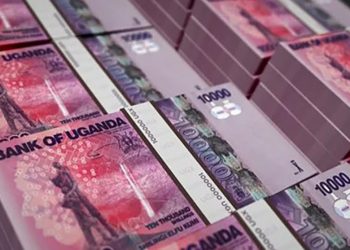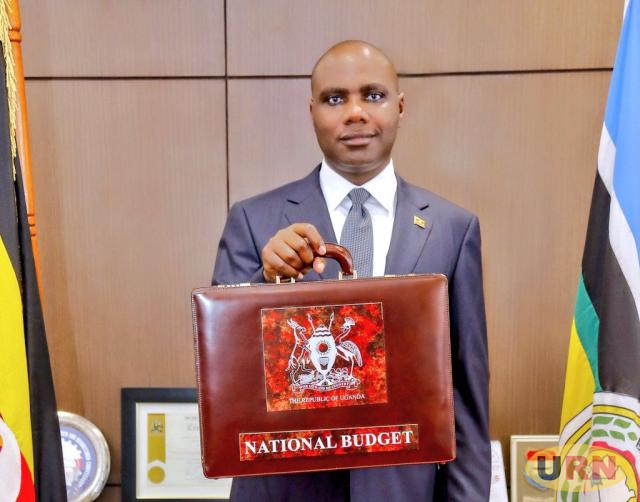
The 2026/27 national budget has come under renewed scrutiny after the Uganda Debt Network (UDN) warned that debt servicing will consume nearly 40 percent of the 84.39 trillion shillings spending plan. In its latest budget analysis, UDN says debt servicing obligations amount to Shillings 33.4 trillion, representing nearly two-fifths of the entire national budget It says debt servicing will significantly reduce spending on for health, education, agriculture and other essential public services.
The civil society organisation notes that statutory expenditure totals Shillings 37.23 trillion, meaning a substantial portion of public resources is committed before government can finance development programmes or social services. According to UDN, for every o e hundred Shillings the government spends, about Shillings forty will go towards debt obligations.
UDN further warns that Uganda’s public debt has climbed to approximately 130 trillion shillings. It projects that more than 45 percent of government revenue could eventually be directed towards debt servicing if the current borrowing trajectory continues. The organisation also cautions that heavy domestic borrowing risks crowding out private sector credit, increasing interest rates and constraining economic growth while new tax measures disproportionately affect low-income households.

The government’s FY2026/27 budget amounts to Shillings 84.39 trillion and will be financed through Shillings 45.96 trillion in domestic revenues, Shillings 11.97 trillion in domestic borrowing, Shillings 1.22 trillion in external borrowing for budget support and Shillings 11. 27 trillion in external project financing, alongside petroleum revenues and local government collections.
While government says these allocations will sustain economic transformation and service delivery, the opposition Forum for Democratic Change- FDC argues that the budget does little to address the everyday struggles of ordinary Ugandans. Addressing journalists on Monday, FDC’s Robert Centenary described the spending plan as one designed “for the comfort of those in power” rather than for improving the welfare of citizens.
“The budget was not written for ordinary Ugandans but for the comfort of those in power,” Centenary said. He argued that despite the steady increase in government expenditure over the years, many Ugandans continue to face poor healthcare services, inadequate education, unemployment and declining household incomes.
The opposition also criticised the government’s continued reliance on borrowing, arguing that increasing debt repayments are diverting resources that should be invested in productive sectors capable of creating jobs and improving public services. Centenary accused government of weak financial accountability, citing repeated Auditor General findings on embezzlement and misuse of public funds.
“The bigger the budget, the more money there is to embezzle,” he said. FDC also questioned government expenditure priorities, particularly allocations to the security sector, saying defence, military and police spending remains disproportionately high while hospitals continue to experience shortages of medicines and health workers.
The party criticised spending on overseas medical treatment for senior government officials as well as State House expenditure, including Shs56 billion allocated for the President’s inland travel, arguing that such resources should instead strengthen Uganda’s public healthcare system. The opposition further faulted taxes affecting fuel, cement, motorcycles and vehicle registration, warning that they will increase the cost of living and raise the cost of doing business.
As an alternative, FDC proposed allocating at least 15 percent of the national budget to health, another 15 percent to education and 10 percent to agriculture while reducing expenditure on non-essential government activities and limiting borrowing to productive investments.
For its part, UDN called for binding debt sustainability measures, mandatory debt impact assessments before new borrowing, stronger oversight of debt-funded projects and greater protection of social sector spending from fiscal pressures created by rising debt obligations. It also urged government to strengthen budget transparency and parliamentary oversight to ensure borrowed funds deliver measurable benefits to citizens-URN. Give us feedback on this story through our email: kamwokyatimes@gmail.com