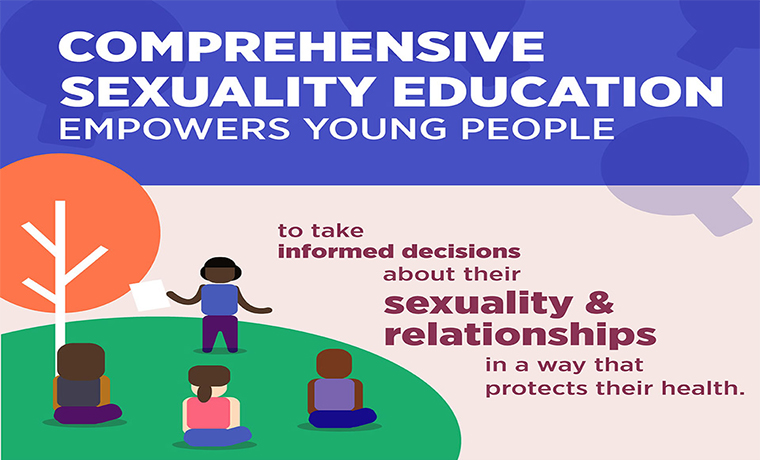
Health workers are pushing for continued age-appropriate sexuality education for girls as a solution for the persistent high rates of unsafe abortion. Speaking at a Media Café organized by the Health Journalists Network Uganda, Joyce Najjemba, a Nursing Officer at Mulago Women and Neonatal hospital, revealed that each month, their emergency department receives at least forty cases of girls seeking post abortion care after unsafe procedures go wrong.
She says some arrive with tears, and others with serious damage to the uterus and yet cheap interventions such as creating awareness widely can help cut these numbers. Through the psycho-social support they usually offer to their post – abortion care clients, Najjemba says it’s clear some girls end up with teenage pregnancies and sexual reproductive health-related challenges because of a lack of age-appropriate information.
While Mulago and other health facilities across the country offer post -abortion care services, even to survivors of unsafe abortion, abortion remains largely illegal in Uganda, with exceptions made for those who are raped, victims of incest, and those with health complications that prevent them from carrying pregnancies to term.

However, despite this legal environment, statistics detailed in a 2021 report on the status of abortion in Uganda show up to 314,000 induced abortions occur annually, translating to an estimated rate of 39 abortions per 1,000 women of reproductive age, that is, 15 to 49.
According to Editah Kamagara, a Legal Affairs officer at an NGO, VISTA Foundation Uganda, most of these induced abortions happen in unsafe places, risking people’s lives because of a loophole in the law that care can only be provided when one is on the verge of losing their life. She says it’s a loophole in the law being driven by the fact that authorities in Uganda approach sexual reproductive health issues using a moral and religious angle rather than a health angle.
For her, the government is not doing enough to prevent unsafe abortion, and yet information on the availability of post abortion care is minimal and often received with fear, that affected women who choose to stay away from facilities that can save them.
Meanwhile, the issue of information access for sexual reproductive health remains controversial, where previous efforts to introduce comprehensive sexuality education were met with wide criticism. Henry Semakula, an official from the Ministry of Education and Sports, said they once introduced a guiding document for age-appropriate information sharing dubbed the National Sexuality Framework, but it was withdrawn shortly after launch.
He says they have now reviewed and renamed the document to the National Framework on Education for Health and Life Skills to cater to everyone, including those out of school. Therein, he says, is guidance on what a civil society organization, religious leader, or health worker can say or not say to each age group.
According to Semakula, the word ‘sexuality’ in the old framework sounded like ‘intercourse’ in the ears of sections of the public, and that was unacceptable-URN. Give us feedback on this story through our email: kamwokyatimes@gmail.com