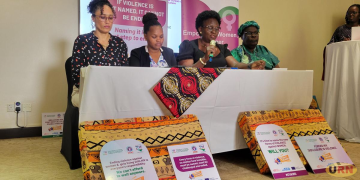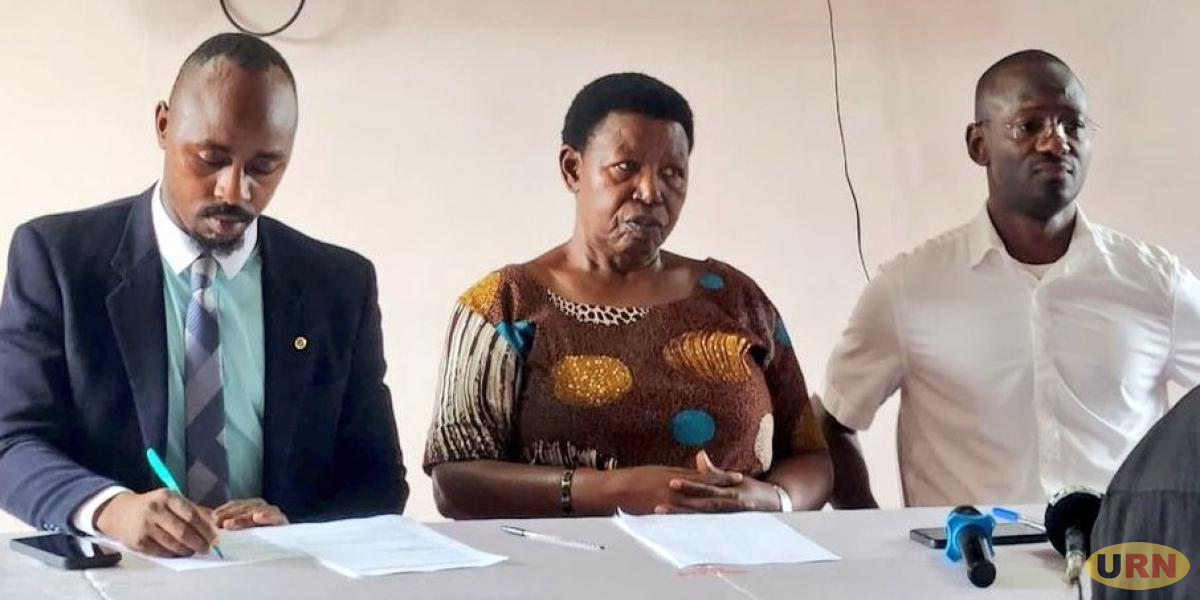
A group of Ugandans has asked the Inspector General of Government (IGG) to investigate diplomats and foreign Service Officers who may have acquired foreign citizenship while still representing Uganda abroad. The team argues that the practice raises concerns about divided loyalty, conflicts of interest, and national sovereignty.
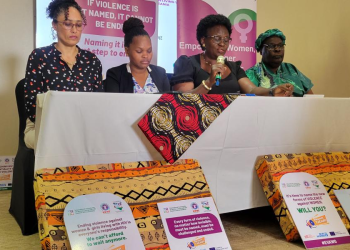
The petition, submitted on June 10 by former Ethics Minister Miria Matembe, lawyers Eron akiiza among others demanded a comprehensive inquiry into allegations that some diplomats posted to countries such as the United States, Canada and several European states may have obtained citizenship or immigration privileges in their host countries while remaining in active government service.
The petition comes at a time when questions about dual and multiple citizenship have resurfaced in Uganda’s public discourse following the recent appointment of Cabinet ministers.

During the vetting and swearing-in process for the new Cabinet at State House Entebbe, several designated ministers faced scrutiny over their citizenship status, with Permanent Secretary and Secretary to the State, Lucy Nakyobe revealing that some appointees could not immediately take office because of unresolved dual-citizenship matters.
Although Nakyobe didn’t disclose the names of the affected appointees, Foreign Affairs Minister-designate, Adonia Ayebare, Minister of State for Internal Affairs- designate, Lawrence Muganga, Minister of International Affairs- designate, David Calvin Echodu, and Shartsi Kutesa Musherure didn’t take oaths on Monday.
Ayebare and Echodu are said to be holding citizenship of the United States of America while Muganga is reported to hold other citizenships from Canada and Rwanda.
The developments reignited debate over the eligibility of public officials holding sensitive government positions while maintaining legal ties to foreign states.
In their petition, the activists argue that diplomats occupy uniquely sensitive offices that require “undivided loyalty, fidelity, confidentiality and allegiance” to Uganda because they represent the country abroad, negotiate bilateral agreements and have access to confidential state information.
According to the petitioners, there is growing public concern that some officers may have acquired foreign citizenship, failed to disclose the status to their superiors, and continued to enjoy diplomatic privileges while maintaining what they describe as “divided allegiance.”
They further claim that some diplomats may have pursued citizenship arrangements to secure benefits for themselves and their families, including subsidized education, immigration advantages and long-term settlement opportunities in host countries.
The petition contends that such conduct could violate provisions of the Constitution, the Public Service Standing Orders, the Foreign Service Standing Orders, the Leadership Code Act and international diplomatic conventions governing diplomatic representation.
Particular emphasis is placed on the Oath of Allegiance taken by public officers. The petitioners argue that acquiring citizenship through naturalisation in another country often requires swearing allegiance to that state, potentially creating conflicting obligations for diplomats who remain bound by their oath to Uganda.
The group also cites provisions of the Vienna Convention on Diplomatic Relations, arguing that diplomatic representation is premised on allegiance to the sending state and that acquisition of citizenship in a host country may compromise the integrity of diplomatic service.
While acknowledging that Uganda’s citizenship laws recognize dual citizenship, the petitioners maintain that public officers serving in highly sensitive sovereign positions should be subjected to stricter standards of disclosure and accountability. They argue that the issue is particularly significant for diplomats because of their role in advancing Uganda’s strategic interests abroad.
The petition further references the recently enacted Protection of Sovereignty Act, arguing that foreign citizenship among serving diplomats could create risks of divided loyalty and undermine Uganda’s ability to safeguard its interests in international engagements.
The activists want the IGG to establish whether any serving diplomats applied for or acquired foreign citizenship while in active service, whether such status was disclosed to relevant authorities, and whether any supervising officials were aware of the practice but failed to act. They also seek investigations into whether diplomatic privileges or public resources were improperly used to facilitate acquisition of foreign citizenship or residency benefits.
Among the remedies sought are disciplinary, administrative or criminal action where wrongdoing is established, as well as reforms to strengthen disclosure requirements and oversight mechanisms within Uganda’s Foreign Service-URN. Give us feedback on this story through our email: kamwokyatimes@gmail.com