Health workers in Amudat District have raised alarm over a growing practice of subjecting infants to traditional scarification, warning that it is causing severe infections, anemia, and preventable deaths.
The practice involves making small cuts across a child’s body, usually with a razor blade, and rubbing in concoctions of local herbs and plant juice. I
t is commonly used by parents seeking to treat conditions like high fever, cough, pneumonia, diarrhea, and what locals call “Karermat,” a condition believed to cause swelling of the skull.

According to medics at St Francis of Assisi Kosike Health Centre III, most of the children affected are under one year old.
The cuts are typically made on the left side of the body, and the open wounds are treated with herbal mixtures and roots.
Catherine Juliet Aloko, Clinical Officer at Kosike Health Centre III, said the facility frequently receives children with extensive scars and in critical condition.
“You know these newborn babies, especially those with pneumonia, are exposed to cough and fever. When parents see that, they quickly subject the children to cutting and apply the herbs, yet it doesn’t cure,” Aloko said.
She explained that many children arrive malnourished, anemic, and having lost significant amounts of blood. Some are brought too late and die from over bleeding and secondary infections.
Aloko said health workers have repeatedly tried to discourage the practice, but it persists because it is deeply rooted in local culture. She called on local leaders to intensify sensitization against the practice.
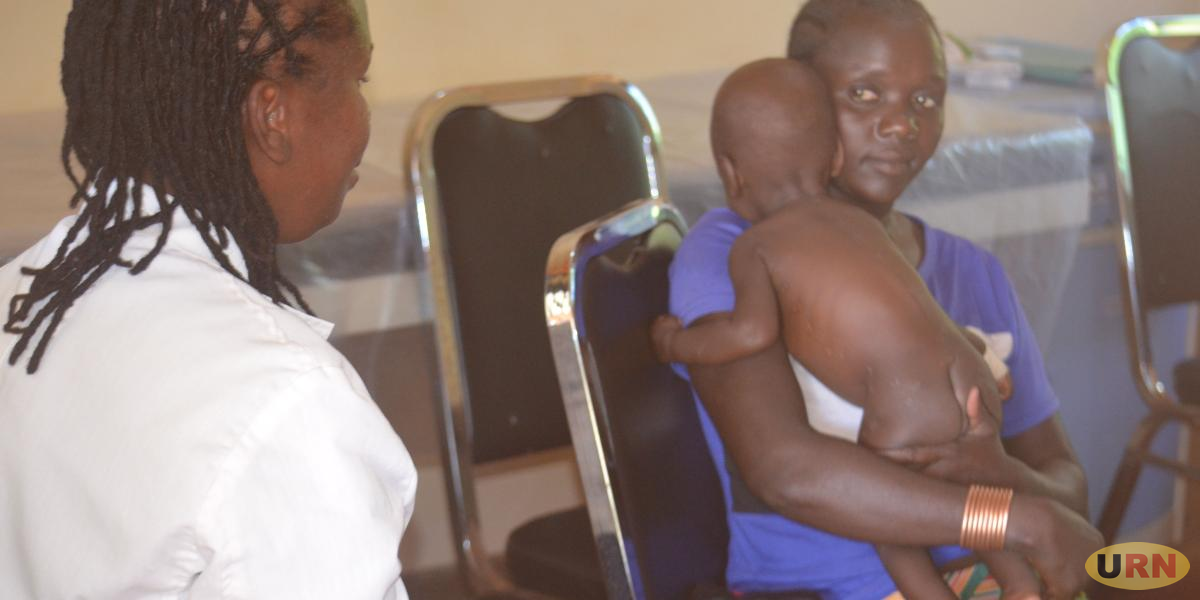
Monica Chepochepunya, a mother at the health facility with her infant, recounted how her baby was taken for traditional healing by the mother-in-law without her consent.
“They have no control over their children. The children belong to the clan and their fate is decided by the elders,” she said.
Village Health Worker Samuel Longolengura defended the practice, saying the incisions are done for treatment.
He claimed that after herbs are applied, the baby loses weight, then regains it and recovers. He also said the practice helps treat diarrhea and that about eight babies are cut each year in his village, with all surviving.
Health officials maintain that the method has no medical basis and poses serious risks, especially for malnourished and already ill children. They are urging community leaders and elders to support public health messaging to end the practice and encourage timely use of health facilities-URN. Give us feedback on this story through our email: kamwokyatimes@gmail.com