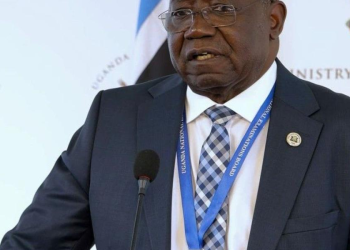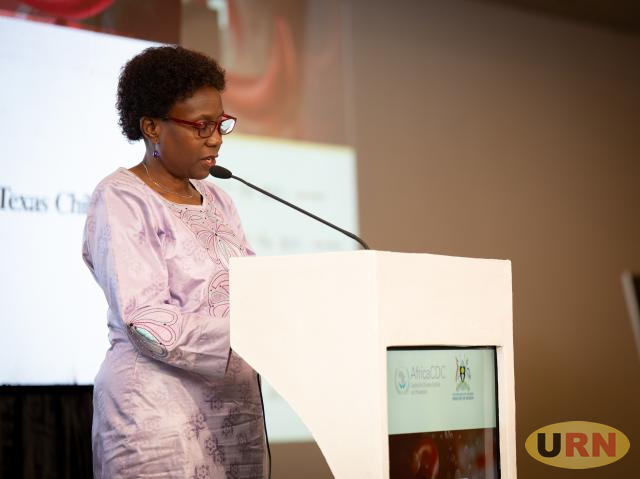
Health Minister Dr Jane Ruth Aceng has revealed that though studies to test effectiveness of hydroxyurea, a key drug for sickle cell disease were done in Uganda, the country’s stocks remain fragile despite need.
Aceng who was opening a three-day continental conference on sickle cell disease and rare blood disorders, said hydroxyurea which offers to reduce the number of pain episodes and the need for frequent transfusions, is accessible only accessible to about 2,000 patients across the country. This is so yet, each year the country records an estimated 20,000 new cases, carrying the biggest burden of disease ranking fifth on the continent, after Nigeria, DRC, Tanzania and Cameroon.
She said those who access the drug, only do so through collaborative clinical partnership, leaving many others in need. She said while manufacture of the drug in-country has started, supplies primarily come in from Europe, China and India.

Aceng was speaking just before delegates including researchers, policy makers and officials from the Africa Center for Disease Control and Prevention – Africa CDC- unveiled a continental plan to tackle not just sickle cell but other related blood disorders.
“Uganda’s progress has also taught us the hard lessons,” Aceng said as she emphasized the need for collaboration. “Progress achieved in isolation is progress that cannot be sustained. Our supply chains for hydroxyurea remain fragile. Our trained specialist workforce is too small. Our data systems are not yet interoperable with continental surveillance frameworks.”
The new plan initiated by Africa CDC is anchored on eight strategic pillars including governance, early detection, supply chain resilience, health financing, psychosocial support, and data systems.
Dr Mohammed Abdulaziz who heads Non – Communicable Diseases, Injuries and Mental Health at Africa CDC, said they came up with the just launched strategy after realizing that there is delayed detection in many countries and very little interventions to handle complications associated with the disease.
He says in countries where something is being done, interventions are very small scale and often too fragmented to make a difference.
Africa bears the greatest burden of over 80 percent of global burden of the disease. Each year, more than 300,000 children are born with this disease on the continent. Without intervention, up to 90% don’t make it to their fifth birthday.
Now with the new strategy where countries are going to implement interventions in collaboration with each other, Aceng said the government seeks to have 80 % of eligible patients accessing hydroxyurea by 2035. Also, they aim to have screened 70 % of new borns and having 90% of sickle cell carriers living past age five. Currently, over 80 percent don’t survive to celebrate their fifth birthday-URN. Give us feedback on this story through our email: kamwokyatimes@gmail.com