The government’s long-awaited plan to renovate and expand traditional secondary schools has been delayed by land titling disputes with foundation bodies. The government has had a plan since 2001 to renovate over 120 historic secondary schools across the country.
The renovations were to be funded by the World Bank and Global Partnership for Education (GPE)-funded project, also known as Uganda Learning Acceleration and Enhancement Programme (ULEARN).
However, sources close to ULEARN indicate that the foundation bodies, especially religious organisations and community trustees, have been reluctant to transfer or allocate separate certificates of title to the individual schools.

“The foundation bodies that own the land remain hesitant to parcel out and hand over titles to the schools,” the source said.
Most of the schools that need to be renovated and expanded are not owned by the government.
It is required that, before any funds can be disbursed for construction and rehabilitation, the school must possess a certificate of title in its own name.
The matter was part of the report by Parliament’s Committee on Education and Sports while scrutinizing the Ministerial Policy Statement and Budget Estimates for the financial year 2026/2027.
The report said that the Grant and Credit Financing Agreements for the project should have been signed in December last year, but were not concluded on time, which slowed the rollout of the project.
“Rehabilitation activities had not commenced by the end of December 2025 due to delayed signing of the Grant and Credit Financing Agreements…. which prevented programme effectiveness, although key preparatory activities were completed,” the report received by Parliament on April 16 reads in part.
Dr Denis Mugimba, spokesperson for the Ministry of Education and Sports, confirmed the delay and said the ministry is engaging relevant parties at the highest executive level to resolve the issue. He added that the matter is hindering progress on the project.
Dr Mugimba added that the delays could pose a major challenge given the strict timelines set by the lenders.
He said the ministry will consult the Cabinet on the matter, noting there are limits to how far the timelines can be extended. Land ownership disputes between the government and foundation bodies are not a new phenomenon.
A similar challenge emerged during the construction of seed secondary schools, where several projects were delayed as foundation bodies resisted issuing separate land titles.
That impasse was eventually resolved after President Yoweri Museveni personally intervened, directing that schools obtain independent titles while advising that the original documents be deposited with the Bank of Uganda for safe custody.
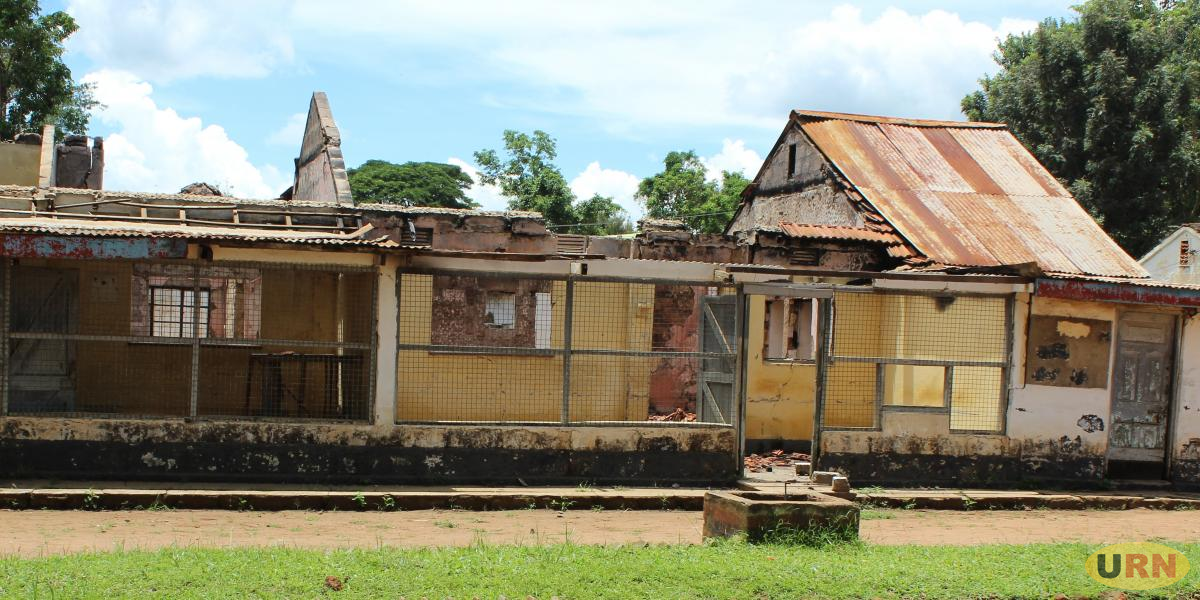
The need for urgent renovation of traditional schools is pressing, given the fact that several of the schools in question feature old buildings that have not recei=ved any major facelifts for decades.
=
Existing facilities are increasingly unable to cope with the rising student numbers brought about by Universal Secondary Education (USE), resulting in severe overcrowding in classrooms and dormitories.
While some institutions have received a new lease of life through renovations funded by active old students’ associations, many others, lacking strong alumni networks, continue to grapple with deteriorating infrastructure. Meanwhile, official documents show that the same ULEARN project will also support the renovation of over 65 primary schools across the country.
The entire Uganda Learning Acceleration and Enhancement Programme (ULEARN), which is a five-year initiative funded by the World Bank and the Global Partnership for Education (GPE), is expected to mobilise over US$ 563.70 million (approximately 2.11 trillion shillings). The p rogramme combines grants and loans aimed at improving foundational learning, teacher effectiveness, and learning environments in both primary and secondary schools-URN. Give us feedback on this story through our email: kamwokyatimes@gmail.com