By KT Reporter
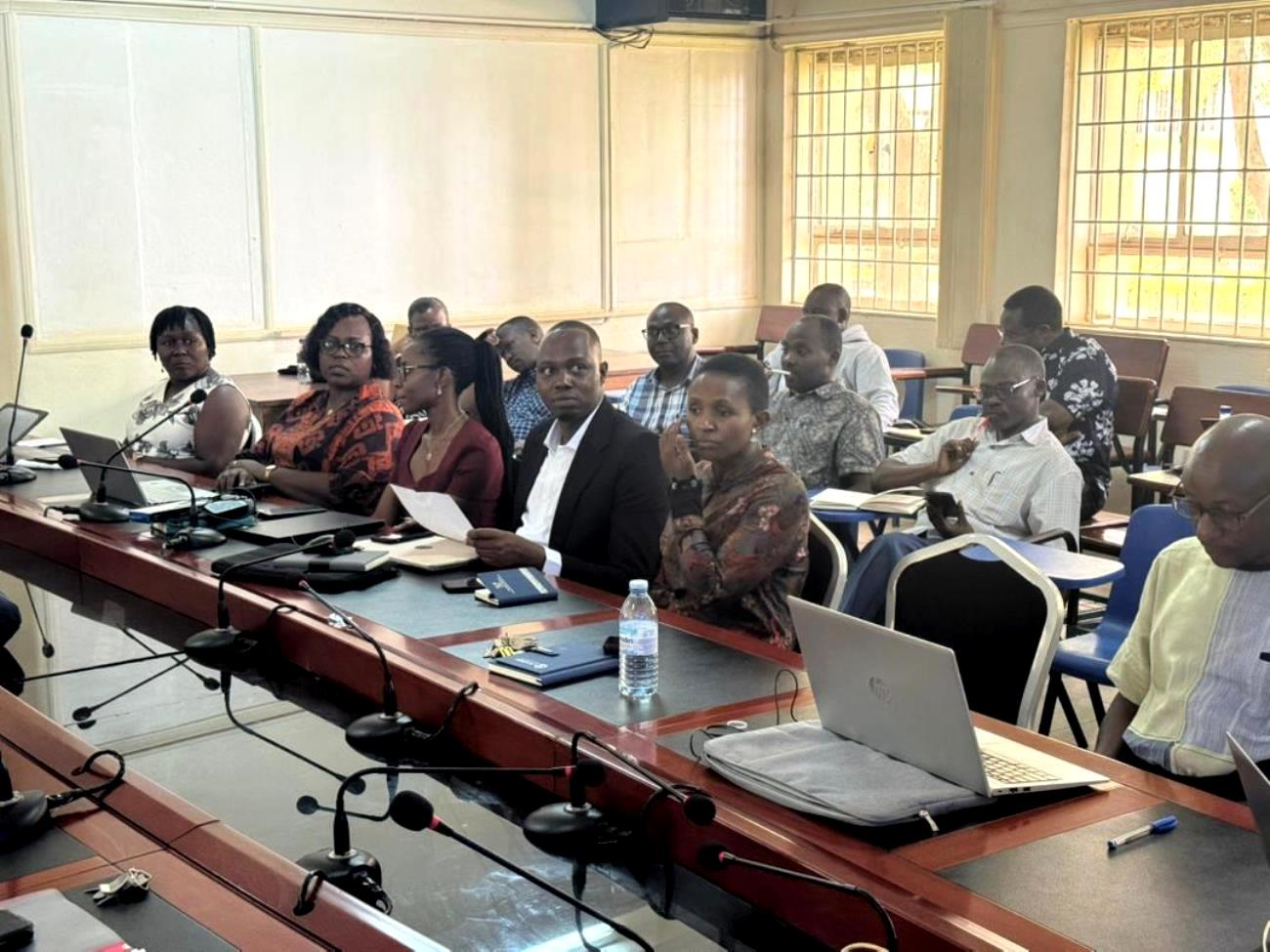
KAMPALA, April 17, 2026 — The College of Humanities and Social Sciences (CHUSS) at Makerere University has taken a decisive step toward strengthening graduate training and accountability following a comprehensive hands-on Research Information Management System (RIMS) training by a team from the Directorate of Graduate Training (DGT) and Directorate for ICT Support (DICTS) held yesterday, April 16, in the CHUSS Smart Room.
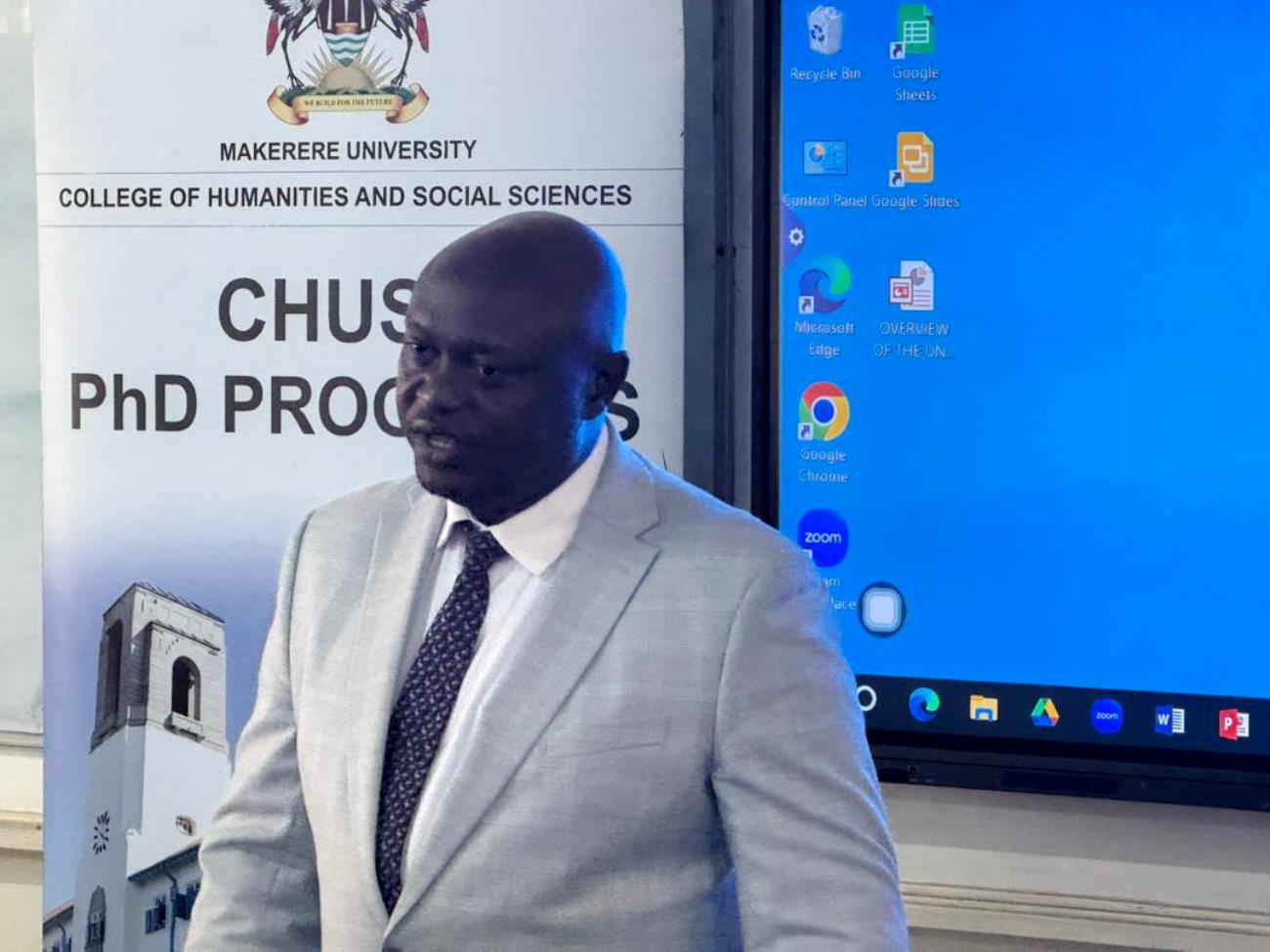
Opening the session, the Director of Graduate Training, Prof. Julius Kikooma, underscored CHUSS’s central role in producing graduate students and contributing to Uganda’s development agenda. He cautioned that the college’s leading position could easily be overtaken if vigilance wanes.

“I’m glad we are back here to focus on something that can propel CHUSS to its rightful position,” Prof. Kikooma said. “Your contribution to graduate student production is highly envied across the university, but if you sleep even briefly, that position can be taken.”
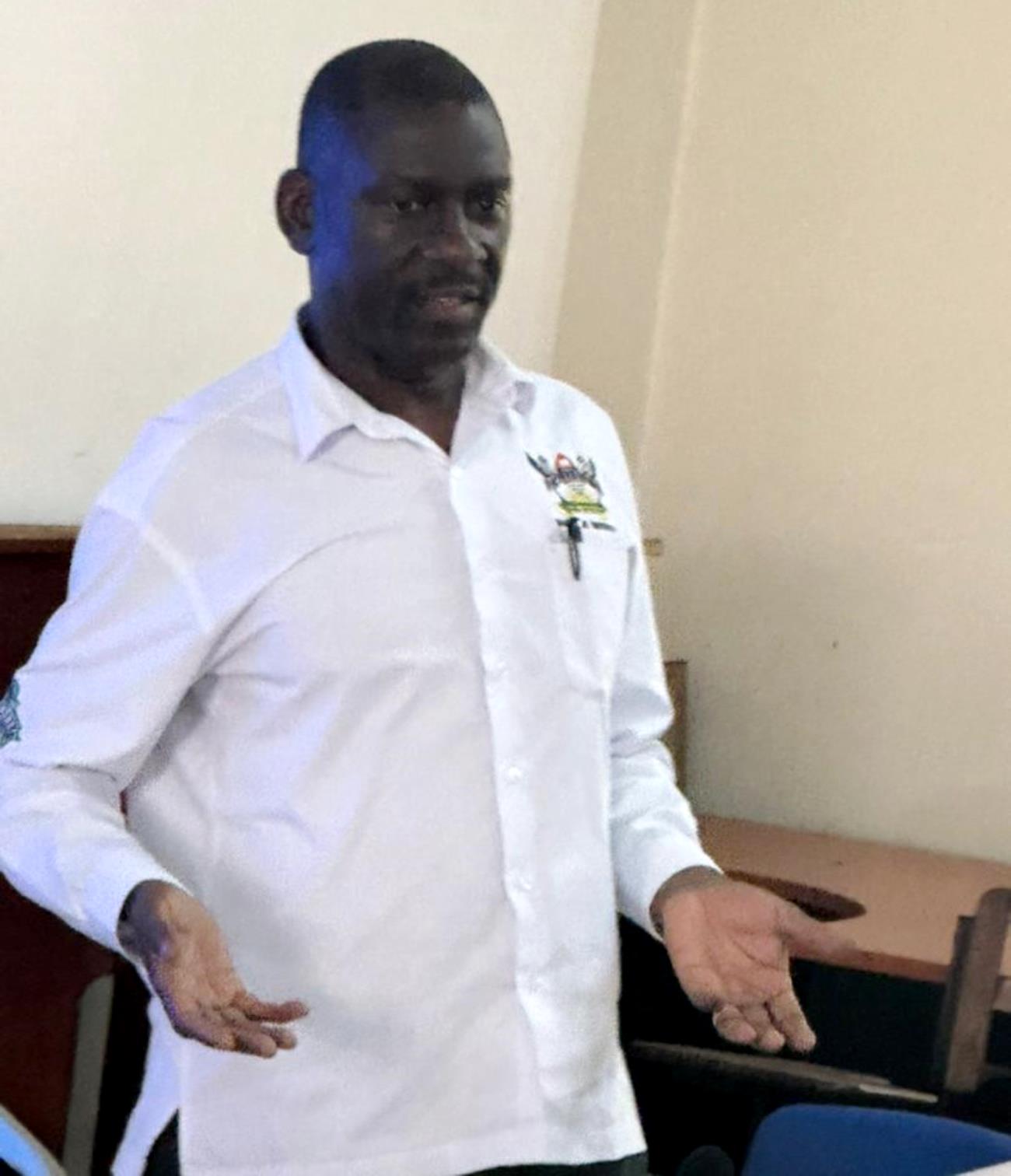
He emphasized that beyond competition, the real goal is national transformation. According to Prof. Kikooma, increased graduate output directly supports Uganda’s Fourth National Development Plan (NDP IV), which prioritizes building relevant human capital.
“More than ever before, the country needs human resources from the humanities and social sciences,” he noted.
Prof. Kikooma explained that the RIMS platform builds on CHUSS’ pioneering cohort-based PhD model by introducing a digital solution to track student progress, enhance supervision, and improve completion rates. The system, developed in collaboration with the Directorate for ICT Support, allows both supervisors and students to log and monitor academic activities in real time.
“This is not optional,” he stressed. “By the end of this month, we must report on who is using the system. It is a strategic priority of the University Council.”
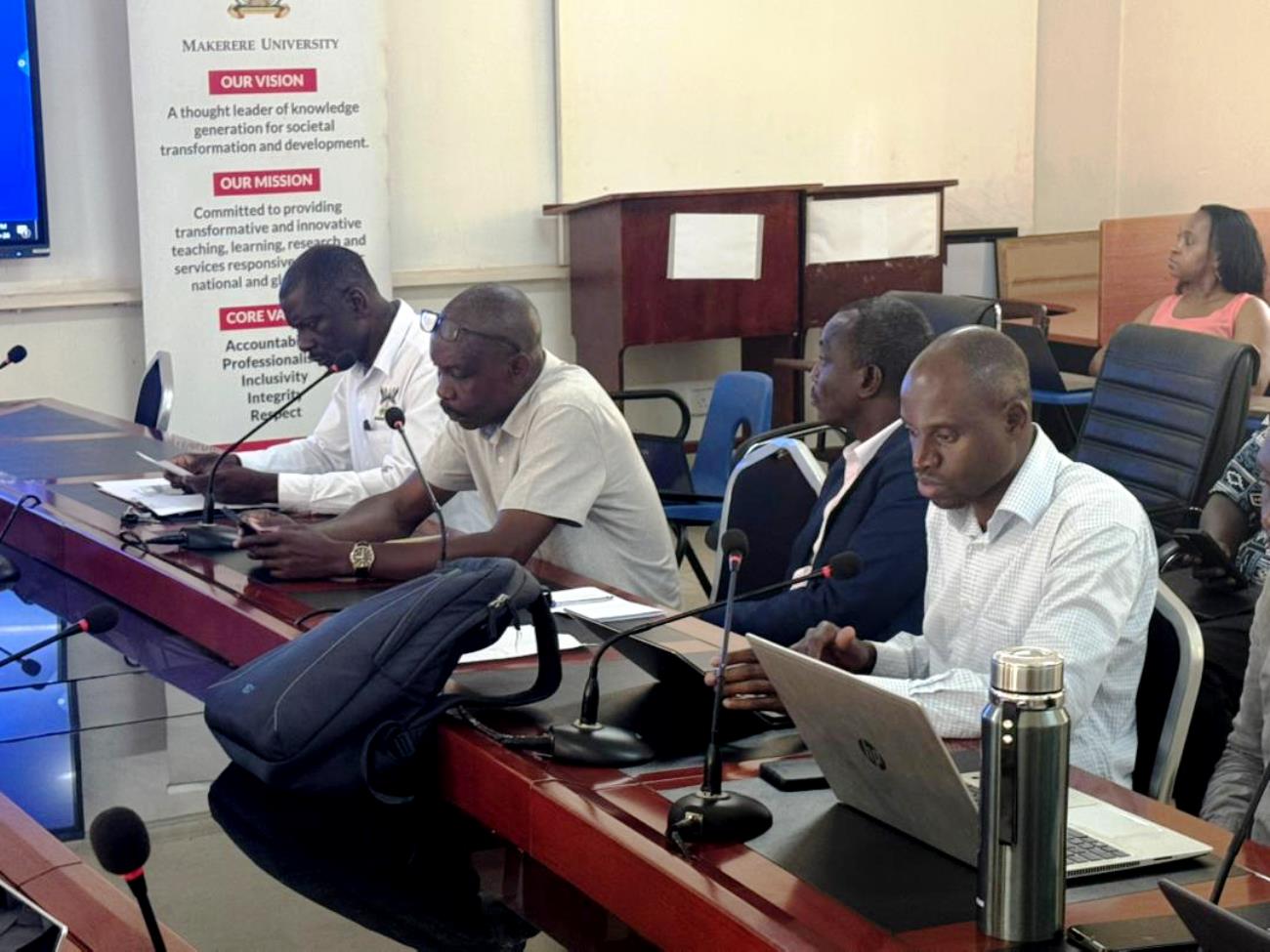
Welcoming participants, the Deputy Principal of CHUSS, Assoc. Prof. Eric Awich Ochen, described the training as timely and necessary in a rapidly digitizing academic environment.
“Makerere today is very different from the Makerere of 15 or 20 years ago,” he said. “We are moving from an analogue past to a digital future.”
He noted that while the college has improved its graduate output in recent years, gaps in tracking student progress remain a concern.
“We celebrate the numbers we graduate, but we may still have many students in the pipeline whom we cannot fully account for,” he said. “This system will help us track supervision and improve accountability.”
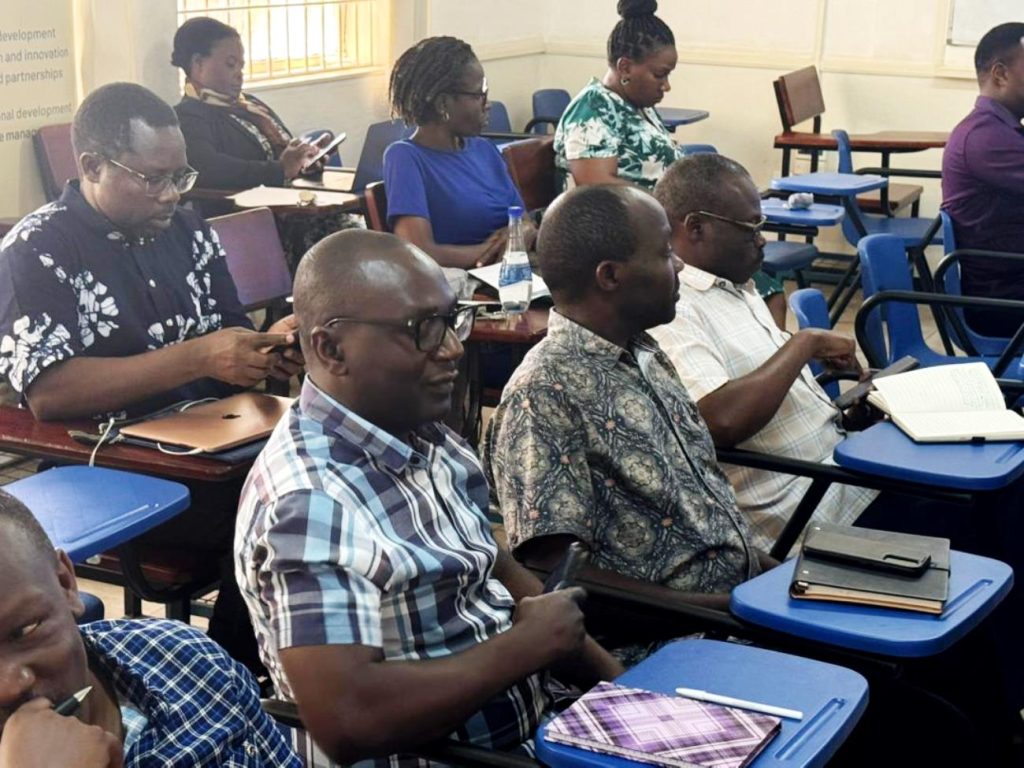
The training drew participation from the CHUSS Principal and Deputy Principal, senior lecturers, lecturers, and registrars from the School of Psychology, School of Social Sciences, School of Liberal and Performing Arts, and the School of Languages, Literature and Communication.
In an interview after the session, Dr. Jim Spire Ssentongo offered a more reflective perspective, welcoming RIMS as a timely innovation while highlighting key realities in graduate training.
“I think RIMS is a good idea with strong potential,” he said, noting that the system could help address long-standing supervision gaps by ensuring that interactions between students and supervisors are tracked and visible.
However, he pointed out that delays in graduate completion are not solely the fault of supervisors. According to him, student-related factors—particularly lack of consistency and self-discipline during the research phase—play a significant role.
“At the coursework level, students are guided by timetables and structured assessments, which keeps them active,” he explained. “But once they transition to research, much depends on their own discipline. Some students simply become unresponsive.”
Dr. Ssentongo observed that RIMS could help counter this by introducing a level of accountability on both sides. If properly used, the platform would enable students to track feedback from supervisors while also making it clear when they themselves have delayed progress.
He also noted that the system’s monitoring aspect could encourage improved completion rates, as both supervisors and students become more conscious of timelines and expectations.
At the same time, he cautioned that implementation would be key. He explained that while systems that enhance accountability are beneficial, they must be introduced in a way that supports rather than intimidates users.
“There is an element of monitoring, which is good,” he said, “but it should be balanced so that it does not create an environment where people feel over-policed.”
Dr. Ssentongo further emphasized that RIMS should be seen as part of a broader strategy to strengthen research culture at the university. Beyond improving completion rates, he said, there is need to encourage publication, collaboration between students and supervisors, and greater visibility of research outputs.
“If it is implemented well and supported by other initiatives, it can contribute not just to completion, but also to improving research productivity and impact,” he added.
The RIMS training marks a significant step in Makerere University’s efforts to modernize graduate education, improve accountability, and align academic output with national development priorities.
-MAK NEWS. Give us feedback on this story through our email: kamwokyatimes@gmail.com