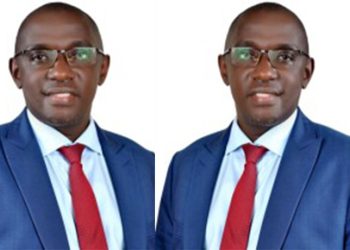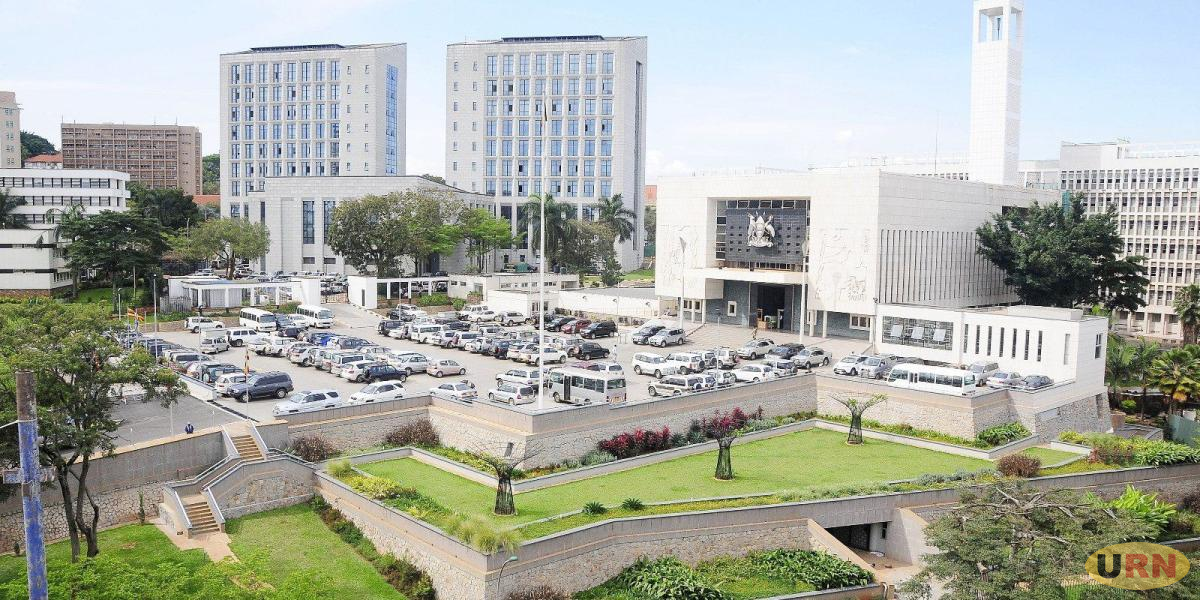
Women have asked the ruling National Resistance Movement (NRM) to ensure gender balance when electing the Speakers of the 12th Parliament following the withdrawal of outgoing Speaker Anita Annet Among. The call comes amid growing indications that the race for the top parliamentary positions could be dominated by men after PLU, a pressure group associated with General Muhoozi Kainerugaba, endorsed Jacob Marksons Oboth-Oboth and Thomas Tayebwa for the positions of Speaker and Deputy Speaker, respectively.
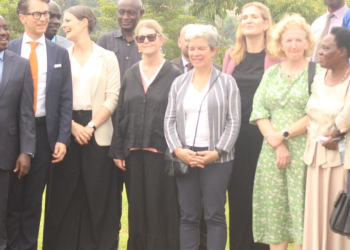
Addressing journalists in Kampala on Wednesday, leaders from the women’s movement warned that Uganda risks abandoning a constitutional and political tradition that has ensured gender balance in parliamentary leadership since the promulgation of the 1995 Constitution. Anita Among, who has been the Speaker during the 11th Parliament, recently withdrew from the race after PLU fronted Oboth-Oboth for the Speakership.
With Tayebwa now positioned to return as Deputy Speaker, activists argue that Parliament could, for the first time in decades, have both leadership positions occupied by men. Their call comes as the NRM’s Central Executive Committee, on which Anita Among is a member, meets to decide who would be backed by the ruling NRM parliamentary Caucus when Parliament meets next week to vote in the new leadership of the 12th Parliament.

The women’s rights advocates pointed to Uganda’s parliamentary history as evidence of deliberate efforts to maintain gender representation in top leadership positions. When Edward Ssekandi served as Speaker, Rebecca Kadaga was Deputy Speaker. Kadaga later became Speaker, deputized by the late Jacob Oulanyah for a decade.
Following an NRM caucus decision limiting leadership terms, Oulanyah was elevated to Speaker while Among became Deputy Speaker. After Oulanyah died in 2022, Anita Among ascended to the Speakership, and Tayebwa became her deputy. Activists say the pattern has reflected constitutional principles of affirmative action and gender inclusion enshrined under Articles 32, 33, and 78 of the Constitution.
Speaking on behalf of the women’s movement, Perry Aritua, Executive Director of the Women’s Democracy Network, said all political parties are bound by constitutional provisions guaranteeing equal opportunities for women. “Political parties must conform to Article 33 of the Constitution and ensure equal opportunities for both men and women,” Aritua said.
She argued that leadership selection should not only focus on gender but also on qualities such as integrity, impartiality, knowledge of the Constitution, independence, and commitment to public service. “We want a Parliament that is credible, trusted, and capable of serving Ugandans. Political parties should look at both men and women who possess those qualities,” she added.
Aritua also cautioned against using corruption allegations involving individual leaders to undermine women’s leadership generally. “Criminality is individual responsibility. The issue of corruption is systemic and affects both men and women. We need to address the systems that enable corruption rather than blame an entire gender,” said Alitua.
Sarah Bireete, the Executive Director for the Center for Constitutional Governance, argued that concerns about misconduct in Parliament had been raised long before the current leadership contest. “What is happening now should have happened two years ago,” Bireete said, referring to corruption allegations and international sanctions imposed on Among.
She questioned why authorities did not act earlier despite repeated concerns raised by civil society groups regarding governance and accountability in Parliament. “We are calling on the President of Uganda to allocate the positions he gave to women previously (Vice President, Prime Minister). There are so many capable women who have the credentials for those positions – we call him to make sure those positions go to women. Said Patricia Munaabi
Miria Matembe, a veteran politician, said women had fought for decades to secure equal participation in decision-making and should not be pushed aside at a critical moment. “We have come from far. We have not yet achieved full equality in all sectors, but we have made significant progress in key institutions of the state. We cannot afford to lose those gains now,” she said.
She further challenged attempts to portray corruption as a problem unique to women leaders. “Corruption existed before Anita Among and will continue unless systems are strengthened. There are many women of integrity and competence who can effectively serve as Speaker or Deputy Speaker,” she said.
In a joint statement, the women’s movement reminded MPs that they had sworn to uphold the Constitution when taking office earlier this month and should therefore ensure equal opportunities in parliamentary leadership. The activists called for the election of a Speaker and Deputy Speaker who embody impartiality, integrity, independence, knowledge of parliamentary procedures, and commitment to the public interest.
“Parliament must demonstrate its commitment to constitutionalism by ensuring equal opportunity for both men and women to hold leadership positions,” the statement said. The group also urged the incoming parliamentary leadership to restore public trust in Parliament and ensure that the institution remains independent, credible, and accountable-URN. Give us feedback on this story through our email: kamwokyatimes@gmail.com