Traffic Police have extended Operation Ganyegenya into night hours after reports that some taxi operators with unroadworthy vehicles are deliberately taking to the roads at night to evade enforcement. Traffic Police spokesperson Michael Kananura said the Directorate of Traffic and Road Safety had changed its enforcement tactics after receiving reports that some operators believed they could escape the ongoing crackdown by operating after dark.
“We are also extending these operations into the night hours, following reports that some operators are deliberately driving at night in an attempt to evade enforcement. Driving at night will not provide an escape from the operation,” Kananura said. He warned that operators should not mistake the change in enforcement hours for a reduction in the crackdown.
“Working at night is going to be dangerous for them, because we don’t want them on the road. We shall now change our tactics; they will not like what will come against them,” he added. Operation Ganyegenya is a 100-day crackdown on dangerous and unroadworthy public service vehicles that started on August 24, four days after the Ministry of Works and Transport directed traffic authorities to intensify enforcement.

Kananura said 499 taxis had been impounded across the Kampala Metropolitan Area during the first 27 days of the operation. Of the impounded vehicles, 369 had undergone inspection at gazetted centres in Naguru, Wankulukuku, Natete and Gayaza. Only 42 vehicles, representing 11.1 percent, passed the inspection, while 328 vehicles, or 88.9 percent, failed.
A total of 65 vehicles have so far undergone re-inspection, with 39, representing 60 percent, passing and 26, or 40 percent, failing. Kananura attributed the pace of enforcement partly to inadequate parking space for impounded vehicles, saying police have had to release inspected vehicles before conducting fresh operations.
“It would have been a challenge to continue impounding vehicles every day when we don’t have space to put them, because there are very many. So we have decided to impound, carry out inspections, release them, and then go back to carry out another enforcement,” he said. During the first enforcement operation, 178 taxis were impounded across the three Kampala Metropolitan traffic regions.
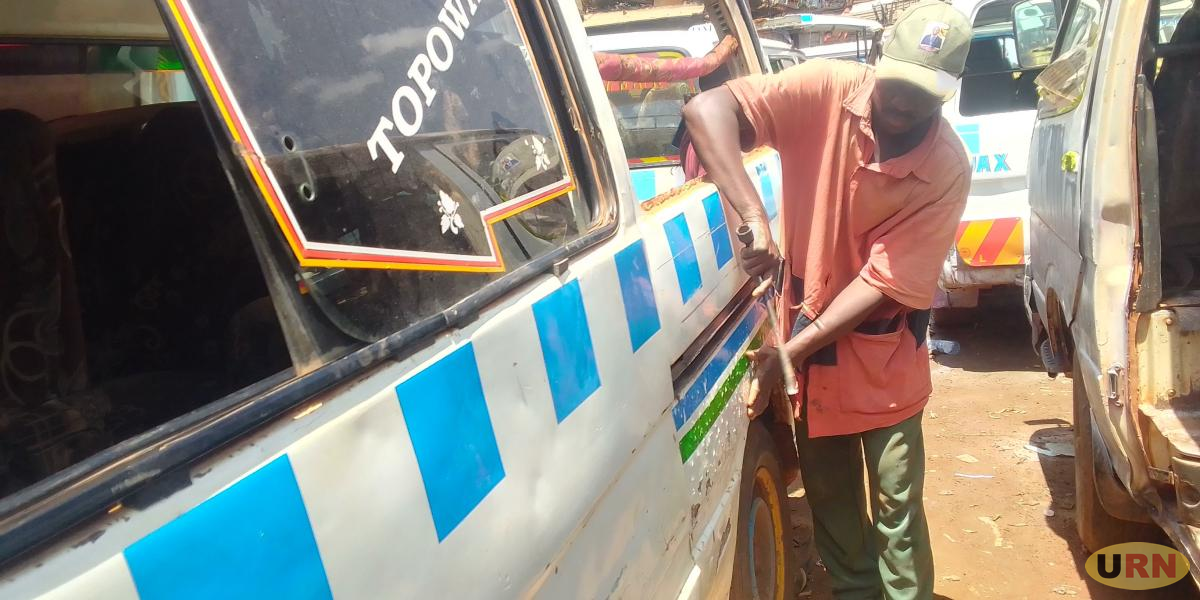
Kampala Metropolitan East, covering Jinja Road and Mukono, accounted for 53 vehicles; Kampala Metropolitan South, covering Katwe and Entebbe, 62; and Kampala Metropolitan North, covering Kawempe, 63. The inspections target defects and safety requirements, including bull bars, cracked windscreens, worn-out tyres, defective brakes, damaged bodywork, seat belts, first-aid kits, fire extinguishers, warning triangles, door locks, rooftop signage, seat cleanliness, headlights and rear lights.
Vehicles found with defects are released to their owners without number plates to allow repairs and must return for a second inspection using specialised equipment. However, some taxi users have raised concerns on social media that vehicles previously impounded under the operation have returned to the roads, questioning whether the crackdown can achieve its objectives without adequate parking yards, inspection centres and enforcement personnel.
The concerns have also raised questions about the feasibility of extending the operation across the country when the traffic directorate is still facing logistical challenges in the Kampala metropolitan area. Meanwhile, the directorate has also provided updates on Operation Babala Salama, targeting Sino truks and licensing compliance. Kananura said 148 vehicles had so far been inspected, with 107 passing and 41 failing.
Under Operation Tekeleza Sheria, conducted jointly with UPDF Military Police and targeting illegal sirens and concealed number plates, 70 vehicles have been impounded and seven drivers taken to court. Kananura said six of the seven drivers had been convicted, while one had been remanded. The remaining case files are before Regional State Attorneys for sanctioning.
He also reminded school bus operators that their vehicles must have valid inspection reports and that drivers must possess the required badges. He warned that vehicles found to pose a mechanical safety risk would not be allowed to continue transporting children. Sinotruk operators have meanwhile been given 60 days to voluntarily present their vehicles for inspection. Kananura said vehicles without the required inspection reports after the expiry of the 60-day period would be impounded. “These operations will continue until there is greater sanity, discipline and compliance on our roads,” Kananura said-URN. Give us feedback on this story through our email: kamwokyatimes@gmail.com