The current shutdown of the Daily Monitor and its sister outlets under Nation Media Group, including NTV Uganda, Spark TV, KFM, and Dembe FM, marks the third time the media house has been forced to suspend operations following a state security crackdown. A look through the archives reveals a long and often tense relationship between the government and the Daily Monitor, a newspaper that has built its reputation on independent and investigative journalism.
Founded in 1992 as a breakaway from The Weekly Topic, a publication associated with senior National Resistance Movement figures including Bidandi Ssali, Kintu Musoke, and the late Haj Ali Kirunda Kivejinja, the Monitor, later renamed the Daily Monitor, quickly established itself as an independent voice willing to publish stories others avoided. That editorial approach has repeatedly brought the newspaper into conflict with the state, resulting in several security-led shutdowns over the past three decades.
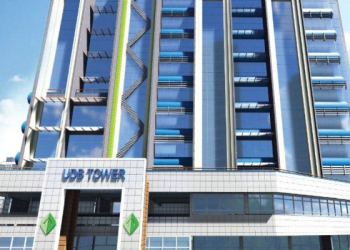
The first shutdown came on October 11, 2002, when heavily armed security personnel raided the Monitor’s headquarters in Namuwongo, Kampala. The officers shut down the newspaper, confiscated computers and documents, and arrested journalist Frank Nyakairu in Gulu. Operations remained suspended for more than a week. The raid followed the publication of a story reporting that a UPDF helicopter had been shot down during military operations against the Lord’s Resistance Army in northern Uganda.

The government disputed the report, insisting the helicopter had crashed due to mechanical failure. Only days earlier, President Yoweri Museveni had publicly described the Monitor as “an enemy newspaper” during his Independence Day address, accusing it of undermining national security and aiding rebel propaganda. The newspaper had already faced earlier restrictions, including being barred from covering some government events.
In August 2005, the government ordered the closure of KFM radio, after the station aired an episode of Andrew Mwenda Live in which host Andrew Mwenda discussed the helicopter crash that killed South Sudanese leader John Garang. During the programme, Mwenda alleged that the government had provided Garang with a defective and poorly maintained helicopter, describing it on air as “junk.” The following day, security agencies arrested Mwenda. He spent three days in detention before being released on bail.
Authorities also threatened to shut down the Daily Monitor, KFM’s sister publication under Nation Media Group. However, following negotiations between the media house and the government, KFM was eventually allowed to resume broadcasting. Another confrontation came in 2007, when NTV Uganda was almost prevented from going on air. NTV had launched in December 2006, but in January 2007, the government switched off the station’s transmitters and removed some of its broadcasting equipment, citing licensing and technical compliance issues.
According to a senior manager at the Daily Monitor at the time, the broadcaster became entangled in the government’s dispute with the newspaper. “The child was being killed before being born,” the manager recalled. “This was happening because of the Daily Monitor. The Daily Monitor had annoyed some people in government over an issue at the time NTV was preparing to go on air, and it nearly never did.” The source said the standoff was eventually resolved through dialogue, allowing the station to begin broadcasting. The decision sparked heated debate, which reached Parliament, where legislators pressed the government to allow the station back on air.
Following months of negotiations, NTV Uganda was finally allowed to resume broadcasting in April 2007. The second shutdown occurred on Monday, May 20, 2013. At around 11:00 a.m., three police patrol vehicles arrived at the Monitor premises in Namuwongo. Officers ordered civilians and boda boda riders away from the area before declaring the entire compound a crime scene. Police sealed off the premises and searched the newsroom after the newspaper published a letter attributed to Gen. David Sejusa (Tinyefuza), alleging an assassination plot against senior officials opposed to the so-called “Muhoozi Project,” an alleged succession plan involving Gen (then Brigadier) Muhoozi Kainerugaba.
Led by then Deputy CID Director Godfrey Musana, police disabled the newspaper’s printing press, computer servers, and transmission equipment serving sister stations KFM and Dembe FM. Then police spokesperson Judith Nabakooba, now Minister of Lands, said the operation was intended to investigate allegations involving forged official signatures and fake government documents. Monitor management described the raid as “very surprising and unfortunate,” while Nation Media Group officials criticised the authorities for failing to engage the media house before carrying out the operation.
The third shutdown came on Sunday night in June 2026, when armed security personnel once again surrounded the Monitor headquarters in Namuwongo following public statements by Chief of Defence Forces Gen. Muhoozi Kainerugaba. Soldiers occupied the premises and blocked access to the media house, forcing the Daily Monitor, NTV Uganda, and Spark TV off air. The operation closely mirrored the 2013 raid. Although no formal government statement announcing the closure had been issued by Sunday night, Gen. Muhoozi had earlier declared on social media that the Nation Media Group outlets had been banned from covering UPDF activities.
Archival records show that the Daily Monitor has faced sustained pressure from the state almost since its inception. President Museveni has repeatedly criticised the newspaper, at one point referring to it as “the bad newspaper,” and has on several occasions restricted the Daily Monitor and its sister outlets from covering his activities and official functions. The described shutdowns remain the most dramatic actions taken against the newspaper. Each followed reporting on politically sensitive subjects involving the military, national security, or questions surrounding political succession.
Although the Daily Monitor resumed operations after the previous closures, the repeated raids illustrate the continuing pressures faced by independent media in Uganda when reporting on issues involving power, governance, and national security. Beyond the three occasions when the Daily Monitor was shut down, the newspaper has survived numerous other threats of closure, often arising from its reporting on politically sensitive issues.
One of the most notable reflections on this relationship came in 2017, when businessman and diplomat Martin Aliker, who has since died, wrote an opinion article titled, In the World of Newspapers, Heads You Lose, Tails You Lose. Aliker, who was NMG board chairman, argued that accusations that the Monitor was “anti-government” were often driven by individual public officials seeking to shield themselves from scrutiny. “The so-called anti-government accusation often occurs when the paper writes negatively about a particular minister in government. The minister then finds solace by hiding behind the government for something he did for his own benefit and not that of the government or the country at large,” he wrote.
Aliker, a long-time observer of the country’s political and media landscape, went further, suggesting that the Daily Monitor operated under far greater pressure than some of its competitors. “If The Monitor were to publish some of the stories that a particular newspaper publishes daily, it would have been shut down permanently a long time ago,” he wrote. His comments captured what many media observers have long described as the difficult environment in which independent media houses have operated, balancing public interest journalism against recurring political and regulatory pressure-URN. Give us feedback on this story through our email: kamwokyatimes@gmail.com